

Pittsburgh Fan Falls, Faces Charges: What Happened and What Comes Next
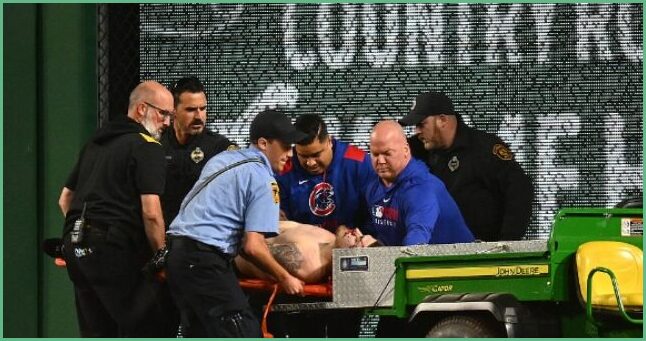
The Pittsburgh Pirates fan who was injured after falling 20 feet over a railing at PNC Park in May is now facing harassment charges.
The brief fact pattern is stark and unsettling: a fall that left a person seriously hurt and a legal development that complicates the story. Details remain limited in public records, and the sequence of events leading from the fall to the charges has not been fully laid out by authorities. This article summarizes the known facts and the practical realities that follow such incidents.
First, the fall itself raises immediate questions about safety at sports venues and how quickly emergency responders reach injured patrons. Stadiums like PNC Park are engineered with public safety in mind, but accidents and risky behavior can still cause severe injuries. Investigators will look at both physical conditions and human actions to determine how the fall occurred.
Second, the new development of harassment charges changes the legal landscape from a simple accident story to a criminal matter with potential consequences beyond physical recovery. Harassment charges can stem from a range of conduct, and filing a charge does not determine guilt. The criminal case will proceed through arraignment, possible hearings, and either plea negotiations or trial.
What Harassment Charges Can Mean and What to Expect
Harassment statutes vary by state, but they generally cover conduct that alarms, annoys, or threatens another person, sometimes including repeated unwanted contact or direct threats. In many cases the distinction between a misdemeanor and a more serious charge depends on the exact words used, any past behavior, and whether a weapon or physical force was involved. Prosecutors weigh the available evidence, witness statements, and any surveillance footage when deciding how to charge a suspect.
Because the person involved was already the subject of an injury report, investigators face the dual task of reconstructing the fall and determining whether any criminal harassment took place before, during, or after the incident. Surveillance video from the stadium, if it exists, can be crucial in sorting timelines and identifying interactions. Eyewitness accounts matter, but they can conflict, so corroboration is important.
From a defense perspective, harassment cases often hinge on intent and context, not just the words or gestures themselves. A defense attorney might argue misunderstanding, provocation, or that the alleged conduct does not meet the legal threshold for harassment. The court process will test those claims against whatever evidence the prosecution presents.
Beyond criminal law, there are civil angles to consider. A person injured in a stadium fall might pursue a civil claim against the venue for negligence, alleging insufficient barriers or warnings. Conversely, the new criminal charge could prompt separate civil claims if alleged harassment caused emotional harm or if other parties claim damages. Civil cases have different standards of proof and can proceed independently of the criminal trial.
Media coverage and social reaction can influence public perception dramatically, especially when a high-profile venue and fan safety are involved. Social media often fills gaps in reporting with speculation, which can complicate fair reporting and a defendant’s right to due process. Responsible coverage focuses on verified facts and avoids treating charges as established guilt.
For fans and venue operators, the incident is a reminder of practical steps that improve safety: clear signage, functioning barriers, staff training for crowd control, and prompt medical response. Event organizers frequently review incidents to adjust policies and prevent repeats, balancing fan experience with rigorous safety standards. Long-term fixes can include engineering changes and updated operational procedures.
Police and prosecutors face the routine but weighty job of assembling a coherent case that respects both public safety and individual rights. Charging someone with harassment indicates law enforcement believes there is sufficient evidence to proceed, but the presumption of innocence remains a central legal principle. The court process, not headlines, will determine the legal outcome.
Family members, witnesses, and victims often feel caught between recovery, legal proceedings, and public attention, and their privacy deserves respect. Courts sometimes impose gag orders or limit certain disclosures to protect fair trial rights and the integrity of investigations. Support services and legal counsel can help navigate the overlap of medical needs and legal obligations.
As this case moves forward, people watching should expect a slow, methodical process rather than swift conclusions. Evidence gathering, forensic review, and legal filings take time, and plea bargains remain possible at various stages. Anyone interested in the final resolution should rely on court documents and statements from official sources rather than rumor.
The underlying human element is easy to lose in legalese: someone was seriously hurt and tensions escalated to a criminal charge. That combination of injury and allegation calls for careful, balanced reporting and a fair judicial process. The legal system will aim to weigh the facts and deliver a resolution based on evidence.
For now, the single confirmed fact stands: a fan who fell 20 feet at PNC Park in May is now facing harassment charges, and the community will be watching how investigators and courts sort the rest out. Further details will come through official channels and court filings as the case progresses. Until then, the focus should be on accurate information and respect for all parties involved.

