

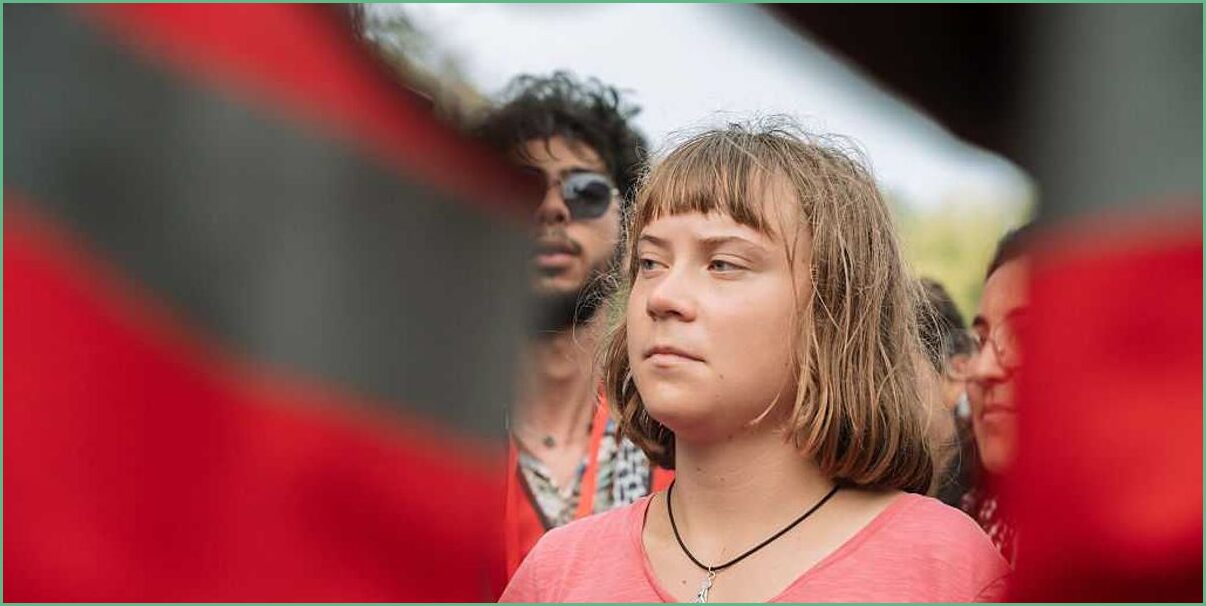
A large international flotilla headed for Gaza was intercepted by Israeli forces last week and more than a third of the participants were sent back to Europe. The convoy of 42 ships carried roughly 450 people and had been at sea for over a month before being stopped near Gaza. The interception has sparked a tense mix of accusations, denials, and political theater on both sides.
The flotilla organizers said their mission was to deliver humanitarian supplies and show solidarity with civilians in Gaza, and they set sail in waves starting in late August 2025. Israeli authorities say the operation was an enforcement action in line with security needs and maritime control. That clash of purposes set the stage for the publicity the mission quickly generated.
Greta Thunberg and 170 other members of the flotilla were deported following a brief detention period over the weekend.
Among the group were journalists, European lawmakers, Nelson Mandela’s grandson, and several noted activists including Greta Thunberg. Those who returned to Europe described rough treatment during the detention, while Israeli officials have strongly rejected those descriptions. The episode quickly became a flashpoint in international coverage and domestic political debate.
The Italy-based journalist who reported seeing Thunberg at the port said she appeared mocked and humiliated, and that testimony added emotional fuel to the story. “We also saw Greta Thunberg at the port, in that case with her arms tied and an Israeli flag next to her, just a mockery,” Italian journalist Saverio Tommasi said. His words circulated widely on social media and in quick reaction pieces across Europe.
The Israel Foreign Ministry these claims, calling them “ludicrous and baseless allegations” and adding that Thunberg never complained about them “because they never occurred.” That official rejection has been echoed by other Israeli spokespeople who say security procedures were carried out appropriately. The direct conflict between witness claims and government denials has left observers asking for independent verification.
Video clips and phone footage have been used on both sides to shape public opinion, with at least one alleged clip showing a senior Israeli official at the port. The footage that circulated online reportedly shows National Security Minister Itamar Ben-Gvir taunting some activists and calling them “terrorists.” Whether that clip captures context or is selectively framed became part of the broader dispute over what actually happened.
Organizers repeatedly framed the flotilla as a mission aimed at breaking what they called an illegal maritime blockade of Gaza that has been enforced since June 2007. They said the ships carried medical equipment, nutrition packages, and solidarity crews ready to dock and hand off aid. The stated humanitarian angle is what drew many high-profile volunteers and international attention.
The mission’s timeline and public statements say the convoy departed in late August in staggered waves with an explicit list of supplies and personnel. The convening and public relations strategy made the flotilla a predictable magnet for activists and press coverage. With so many visible figures onboard, the interception was destined to become a major news event.
When the ships were detained, some activists described aggressive handling and psychological tactics, while Israeli authorities emphasized that safety, security screenings, and legal processing took priority. The competing accounts are sharply divergent and hard to reconcile without neutral monitors on the scene. That gap is why diplomats and human rights observers are calling for clearer, documented accounts.
https://x.com/IsraelMFA/status/1974767255347933283
A number of participants who were returned to Europe spoke directly to the press and to activist networks, recounting perceived mistreatment. Israeli officials say those reports are exaggerated or false and stress that detainees were processed under standard procedures. The dispute has pushed the conversation beyond the single incident into larger debates about protest tactics and national security.
From a Republican viewpoint, the core issue is straightforward: Israel has a right and a duty to secure its borders and to control maritime access that could be exploited by hostile groups. Flotillas that seek confrontation risk undermining legitimate humanitarian channels and complicate on-the-ground security efforts. A responsible approach is to coordinate aid through established, verifiable routes that protect civilians without exposing troops or ships to avoidable risk.
At the same time, any credible allegations of abuse deserve independent investigation to maintain accountability and trust. Neutral observers and diplomatic channels should be allowed to examine detention conditions and procedures, and to report their findings publicly. Transparency will calm tensions faster than two competing narratives posted to the internet.
Negotiators for a recently brokered ceasefire were expected in Cairo this week to discuss terms and humanitarian access, and the flotilla episode landed as an awkward backdrop to those talks. Diplomats will want to keep attention focused on tangible steps to get aid where it is needed rather than symbolic stunts that escalate headlines. The practical politics of relief and security have to take precedence if lives are to be saved and broader conflict avoided.
For now, dozens of activists are back in Europe and questions about treatment, motives, and methods will keep circulating. The presence of prominent figures like Greta Thunberg ensured maximum media scrutiny and a polarized reaction across audiences. The next move should be less about posturing and more about getting verified supplies to civilians through channels that both protect aid workers and respect national security concerns.
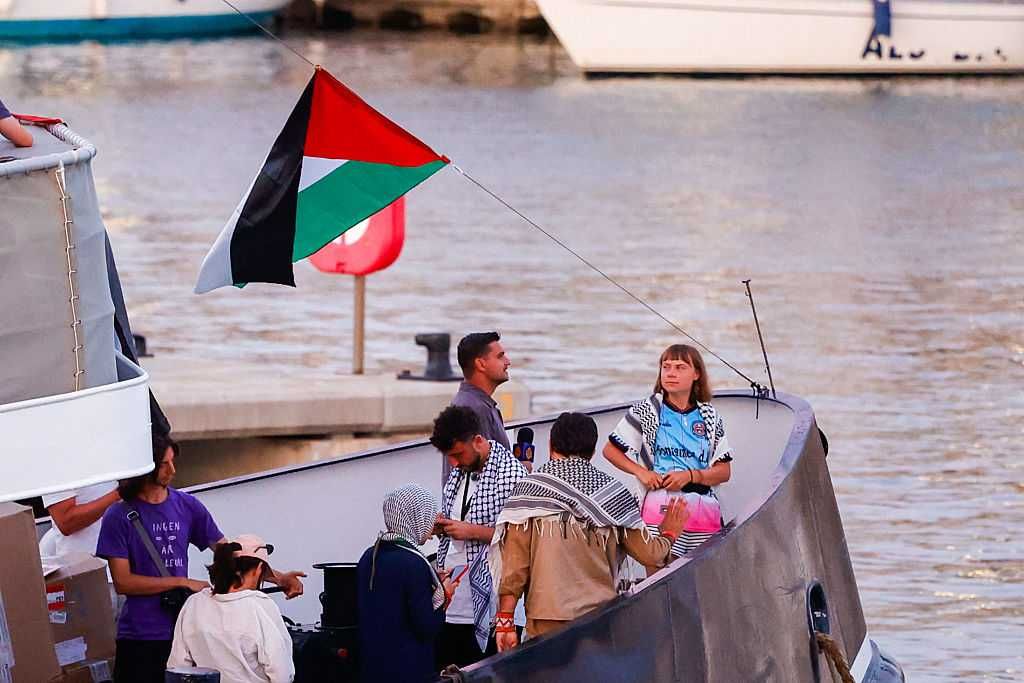
Photo By Kike Rincon/Europa Press via Getty Images

