

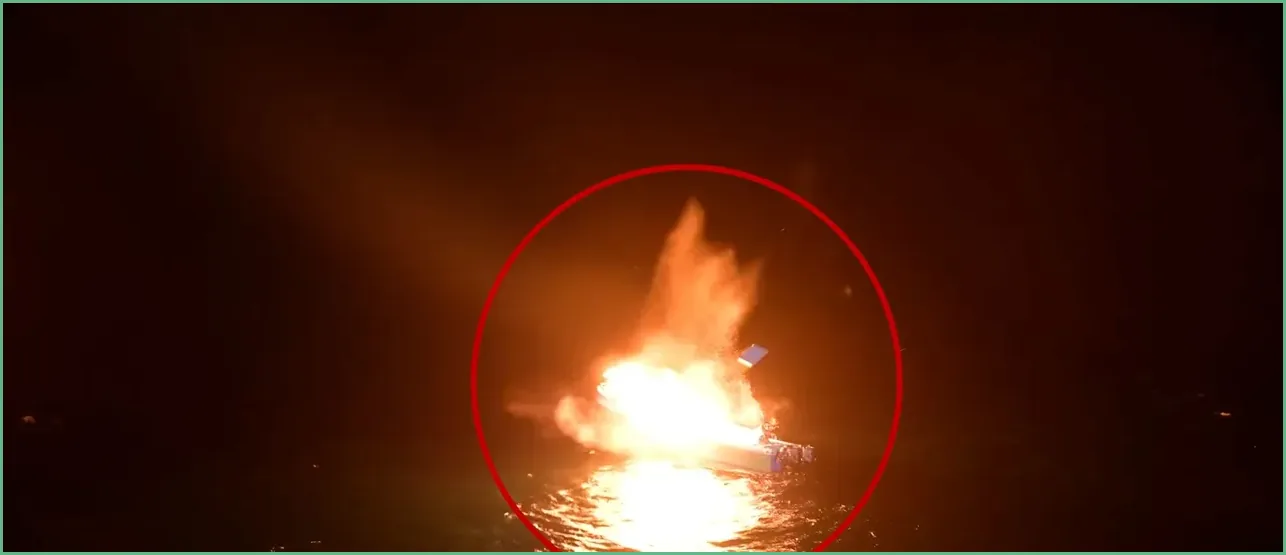
Americans Overwhelmingly Support Trump Admin Blowing Drug Boats Out Of Water: POLL
More than seven in ten Americans back the Trump administration’s decision to destroy cartel drug boats, according to a Harvard CAPS/Harris poll that underlines a hunger for decisive action. This isn’t a fringe feeling; it’s a broad voter impulse for results over dithering when the cartels keep sending poison toward our communities. From a Republican perspective, the choice is simple: defend the border and stop the traffickers by any lawful means necessary.
The Harvard CAPS/Harris survey, taken online among 2,413 registered voters between Oct. 1 and Oct. 2, found 71% support for sinking South American ships carrying drugs into the U.S. That level of backing crosses party and demographic lines, which tells you this is about safety and results more than partisan theater. The poll paints a picture of voters tiring of permissive policies that let traffickers exploit weak borders and soft enforcement.
Beyond the boat strikes, the survey also shows huge approval for other Trump-era priorities: 86% back efforts to lower prescription drug prices, 78% favor deporting illegal immigrants who have committed crimes, and 75% support rooting out waste in government spending. The piece of data Republicans will point to with pride is that 18 of 20 Trump policies in the survey still have majority approval. (RELATED: Trump Admin Blows Up Another ‘Narco-Trafficking’ Boat Near Venezuela)
Operation Pacific Viper, launched in early August by the U.S. Coast Guard, has been a real-world manifestation of that tough line, with interdictions averaging over 1,600 pounds of cocaine a day in the Eastern Pacific. The operation has allowed our services to go after the high-volume transit routes, disrupting supply chains and making the traffickers pay. That kind of operational focus is exactly what voters signaled they want when they endorsed aggressive action at sea.
By September, the Department of War released one of the first official videos showing U.S. forces striking a cartel vessel in the southern Caribbean, a vessel that was moving drugs toward U.S. shores. The administration said the vessel belonged to the Venezuelan cartel Tren de Aragua and that 11 cartel members on board were killed, a grim but stark reminder of the stakes. Republicans argue that confronting violent transnational criminal organizations with military-grade precision is a necessary tool in stopping mass harm.
Additional footage later showed the U.S. Coast Guard’s Cutter Stone conducting multiple interdictions in a single night as part of the same campaign, demonstrating sustained pressure, not a one-off spectacle. These missions have a deterrent effect and create a safer environment for our neighborhoods by shrinking the flow of narcotics. For voters who have watched communities destroyed by addiction, these are exactly the kinds of outcomes they demand.
Unsurprisingly, the hard-line approach drew predictable criticism from the left. In an MSNBC interview, Independent Veterans of America founder Paul Rieckhoff called Trump’s decision “alarming,” “unprecedented” and “dangerous,” accusing him of trying to “overextend and abuse military power.” Democratic New York Rep. Jerry Nadler demanded Trump “face criminal charges,” saying he acted as “the judge, jury and executioner” in the strike against the terrorist group.
Those critiques assume weakness is moral and force is illegitimate, a view Republicans reject when lives are at stake. The administration is framing these strikes as targeted, intelligence-driven operations against transnational criminal organizations that function as terrorist networks. If America is to protect its people and its children, leaders must be willing to use decisive force where lawful and effective.
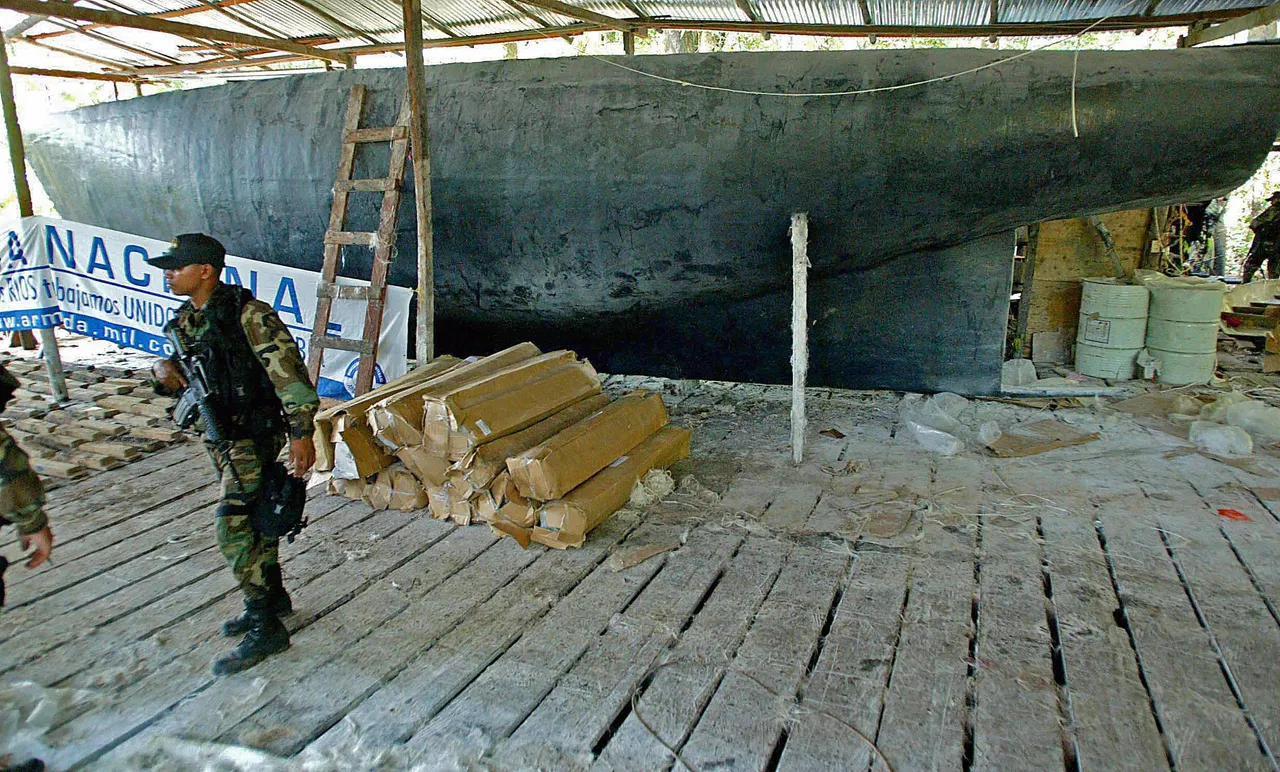
A Colombian Army soldier passes by an under construction submarine built by drug traffickers in Tumaco, on the Pacific coast, 26 March 2005 (MAURICIO DUENAS/AFP via Getty Images)
There are policy debates to be had about the margins, and the poll shows some measures like adding Medicaid work requirements and tariffs are less popular than core enforcement and drug-price reforms. Still, the central finding is unmistakable: voters reward results and clarity when it comes to national security and drug trafficking. Republican leaders should use this mandate to press for stronger border enforcement, sustained maritime interdiction, and aggressive targeting of cartel leadership until the flow of poison is choked off.
At the end of the day, America has a simple responsibility to its people: stop the cartels and protect the vulnerable from addiction and violence. The poll gives the administration political cover to keep doing exactly that, and Republicans should make plain that weakness is not an option when cartels traffic death. Lawful, forceful, and focused measures at sea and on land are the right response to an urgent crisis, and voters agree.

