

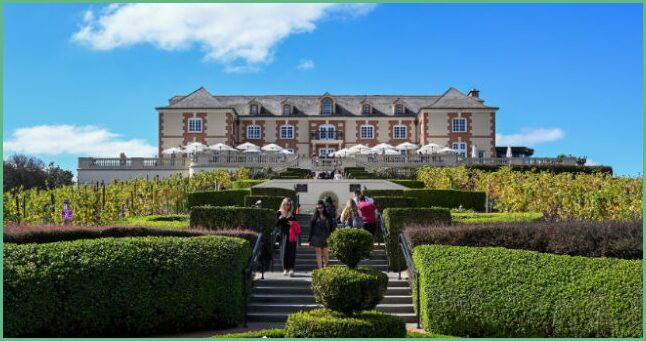
Senate Majority Leader John Thune and other Republican senators canceled their planned weekend fundraising event as the government shutdown continues, choosing to stay focused on the crisis at hand. Meanwhile Sen. Kirsten Gillibrand is moving forward with plans for the Democrats’ fundraising getaway in California’s Napa Valley. The contrast is stark and it’s getting attention from voters who want action, not getaways.
From a Republican standpoint this is about priorities: when federal pay stops and services are strained you stay on the job. Thune’s decision to pull back from fundraising sends a simple message that governing takes precedence over ticketed events. Voters expect leaders to earn their pay, especially when people are getting hurt by a shutdown.
Holding a lavish fundraiser in Napa while federal workers miss paychecks and families feel the squeeze looks tone-deaf, plain and simple. Planning a pricey weekend in wine country while negotiations stall undercuts credibility and hands a political advantage to the party seen as irresponsible. That optics gap matters in swing districts and national headlines alike.
Lawmakers are elected to solve problems, not to posture; the shutdown demands attention from both sides of the aisle. Cancelling a fundraising event is an easy, visible gesture that signals seriousness about finding a path forward. It doesn’t end the gridlock, but it changes the conversation from calendars to consequences.
Fundraising is part of politics and nobody pretends otherwise, but timing is everything. Asking donors to open their wallets while millions face federal furloughs plays poorly and opens elected officials to real criticism. Responsible parties balance raising money with showing they are present when the country needs them.
Families feel the shutdown in bank accounts and at grocery counters, and voters notice who is nearby and who is far away. Thune’s move signals closeness to those concerns; planning a Napa retreat signals distance. In a tight political climate that distance can cost votes and credibility.
A shutdown isn’t just political theater; it squeezes local businesses, contractors and federal employees who count on paychecks. Leaders who stay engaged have the best chance to ease those harms and push fragile negotiations forward. Retreating to fundraising parties during that moment simply looks like ignoring the fallout.
Sen. Gillibrand and Democrats will argue fundraising is necessary to sustain campaigns and infrastructure, and that’s a fair political point. But the choice to schedule a lavish fundraising weekend now is a strategic gamble on optics and public tolerance. That gamble may pay off with deep-pocketed donors, but it’s risky with everyday voters watching.
Thune’s cancellation is a small act with outsized symbolic value: it signals solidarity with affected workers and a willingness to shift priorities. Republicans can point to this as proof they will put governance ahead of party luxury when the stakes are high. Actions like that shape the narrative heading into negotiations and elections.
In the short term staffers on both sides will turn these scheduling decisions into talking points, and journalists will keep the contrast on the front pages. That churn will shape next week’s headlines and fundraising pitches long before any votes are cast. Watch how the two camps spin presence versus retreat into their narratives.

