

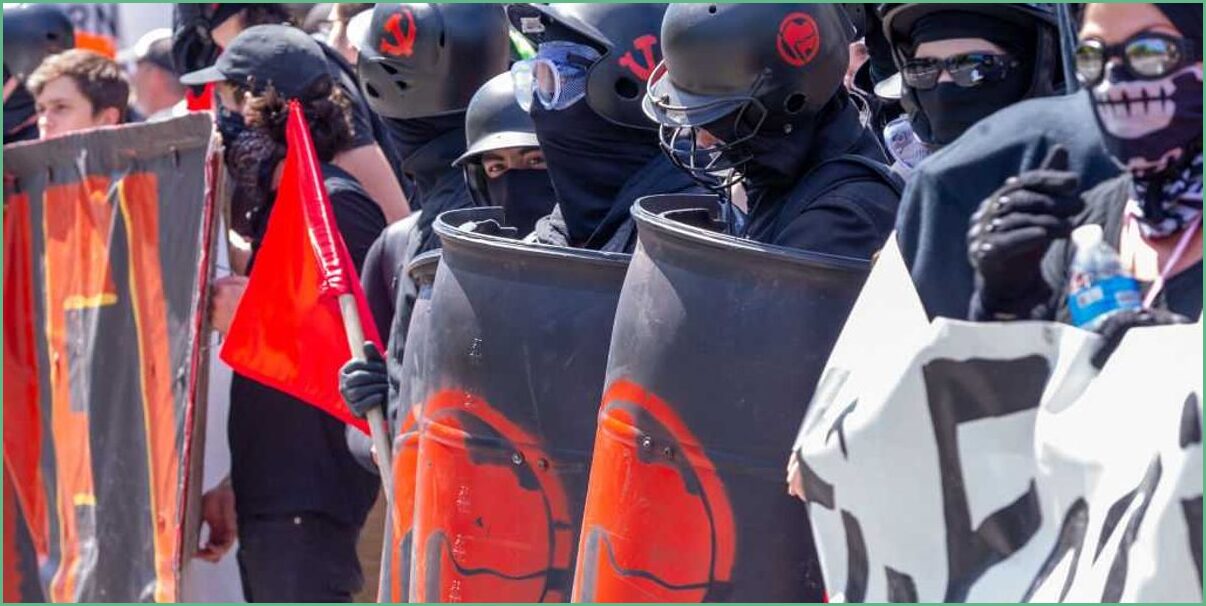
Antifa: Street Militias, Not Protesters
Portland and Chicago now read like occupied zones, where everyday life runs under the shadow of organized street violence. What used to be local disputes have hardened into nightly standoffs between federal agents, residents, and armed mobs. Citizens who expect protection are often left to fend for themselves.
Local progressive administrations have effectively ceded parts of their cities to extremist tactics, and that surrender has real consequences. Journalists and ordinary people documenting events have faced arrests and threats while some officials look the other way. The result is a gap between the rule of law and what happens on the streets.
In Portland, Antifa has terrorized the city for more than 100 consecutive nights and federal officers report frequent assaults during attempts to restore order. Independent reporters who recorded clashes say they were targeted and later brought details to federal officials, yet mainstream outlets minimized those accounts. These scenes are not spontaneous festivals of protest; they are organized confrontations with clear goals.
Antifa is organized, funded, and emboldened.
Chicago shows the same breakdown of basic public safety, where federal agents have been stalked and ambushed amid chaotic demonstrations. Calls for local backup went unanswered in several instances, leaving officers isolated and residents at risk. When police cooperation collapses, the consequences are immediate and violent.
This goes beyond disorder; it’s direct defiance of federal authority and a challenge to the Constitution’s Supremacy Clause. Local refusal to help federal personnel undermines the legal framework that holds the union together. That gap invites escalation instead of de-escalation.
For years, the legacy media and left-wing think tanks have portrayed Antifa as “decentralized” and “leaderless.” That label suits those who want to avoid responsibility, but it’s misleading. Evidence on the ground points to networks, coordination, and financial channels that empower violent tactics.
Groups with names that matter locally operate like coordinated street militias, while legal outfits provide cover and counsel for bad actors. Crowdfunding platforms and sympathetic donors funnel resources that pay for equipment, legal fees, and organizing. When money moves quietly across borders, enforcement and transparency become urgent priorities.
The claim that Antifa lacks structure is a convenient myth and it has cost Americans dearly. Cities with prolonged unrest suffer economic damage, a decline in safety, and a loss of civic trust. Those are local harms with national consequences if they spread.
History shows what happens when mobs exercise power without checks: the French Revolution, Weimar Germany, Mao’s Red Guards. Those events began with street chaos framed as popular uprising before turning into coercive rule. Modern radicals study those patterns and try to copy them.
The Trump administration’s move to designate Antifa as a domestic terrorist organization acknowledged a reality many citizens already felt. Labels matter, but labels alone do not dismantle funding networks or neutralize organizers. Policy must match the seriousness of the threat.
That means tracing and seizing the money, bringing prosecutions for organizers, and cutting legal and financial cover for violent groups. Financial transparency and targeted law enforcement will disrupt the infrastructure that sustains sustained street campaigns. Americans deserve to see who bankrolls anarchy and to hold those people accountable.
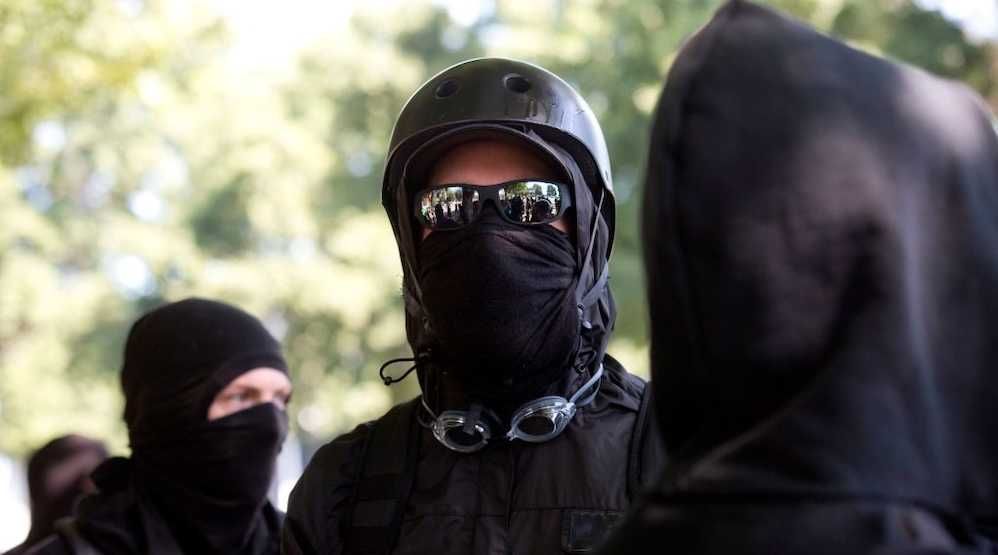
This fight isn’t a partisan stunt; it’s a test of whether institutions will defend citizens or cede ground to chaos. Politicians and judges who excuse mob tactics risk normalizing violence and eroding public trust. Voters will remember who stood for order and who looked away.
There’s nothing theoretical about this moment and no room for false neutrality. Enforce the law, cut off the cash, and let communities reclaim safe streets. The nation’s continuity depends on whether leaders act.

