

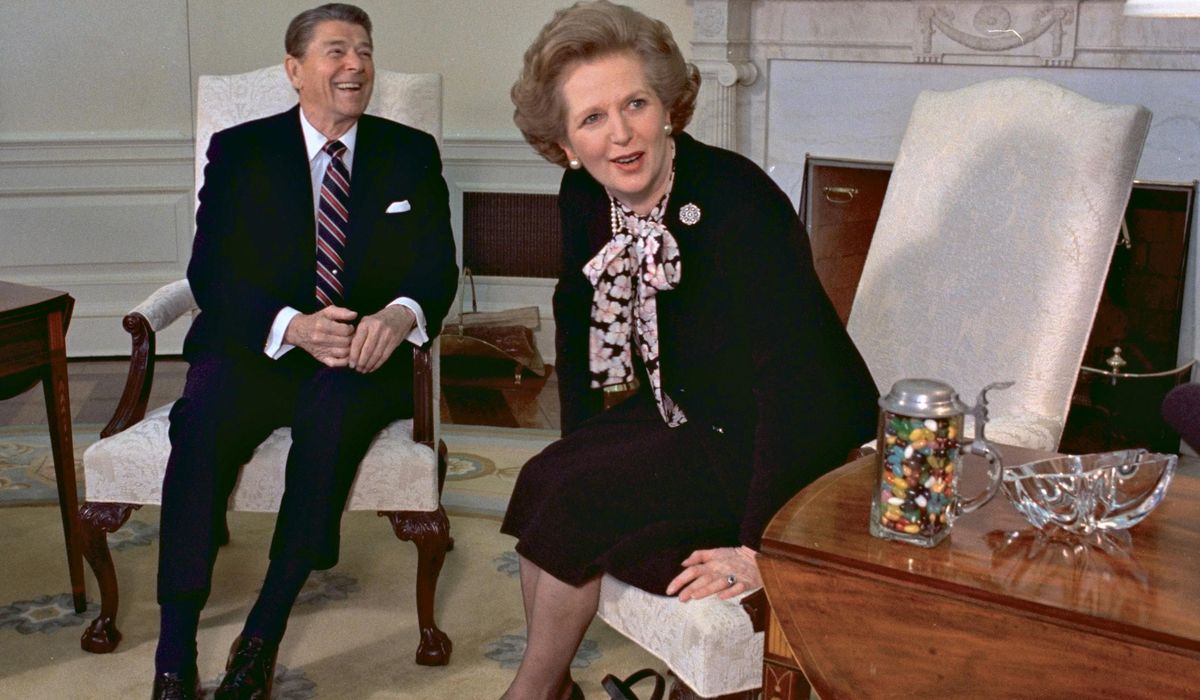
The 100th anniversary of Margaret Thatcher’s birth has prompted events across the United Kingdom and around the world to examine the impact of the first woman to be British prime minister, her political philosophy, and the mark she left on conservative politics. This piece looks at how commemorations are framing her legacy, how policy debates she shaped still matter, and why her style of leadership continues to influence conservatives today. Expect a direct take on the changes she pushed and the controversies that followed her three-term premiership from 1979 to 1990.
Events marking the centenary include museum displays, lectures at universities, and gatherings hosted by conservative organizations celebrating her role in reshaping British public life. These are not just nostalgic looks back; organizers are drawing lines from her free-market reforms to the policy debates of the 2020s. The focus is on outcomes—privatization, deregulation, and a smaller state—and how they altered Britain’s economy and its political center of gravity.
Thatcher’s economic agenda is central to the commemorations because it represented a clear break with postwar consensus politics and big-government solutions. Privatization of state-owned industries and a push to make markets work better for consumers were sold as necessary correctives to stagnation and union power. Supporters argue these moves restored competitiveness, while critics point to social dislocations; both perspectives show how durable her influence remains.
Her foreign policy and national resolve are also being revisited, especially her stance during the Cold War and the decisive posture over the Falklands conflict in 1982. Thatcher made alliances with other Western leaders and insisted on strength over appeasement, messaging that still resonates with conservatives who prioritize national defense. The centenary events highlight how conviction politics changed perceptions of Britain’s role on the world stage.
Thatcher’s relationship with organized labor is a recurring theme at many of the centenary panels, and for good reason: she confronted unions in a way no recent prime minister had. The legal and political tools used to rein in strikes and break monopoly-style union dominance were controversial then and remain so now. Those commemorating her emphasize that restoring order to the economy required political courage and a willingness to upset powerful vested interests.
There are also cultural conversations sparked by the anniversary, examining how Thatcher’s persona—intense, uncompromising, plainspoken—helped reshape expectations for political leadership. Her style polarized voters but also inspired a generation of conservatives who saw clarity of purpose as a virtue. The centenary programming includes interviews with younger activists who trace their political convictions back to the arguments Thatcher popularized about self-reliance and economic liberty.
Not every corner of public opinion celebrates her record, and the events reflect that split with panels that include critics who point to rising inequality and community strain after the rapid policy shifts of the 1980s. These discussions are part of a larger reckoning that many political traditions face when assessing past reforms. The anniversary has become a forum for argument, not just celebration, and that contested space is where political influence truly endures.
For conservatives, the centenary is an opportunity to reconnect with the policy instincts that defined a transformative decade and to debate how those instincts apply today. Thatcher’s conviction that economic freedom and robust national defense were linked remains central to many conservative platforms. The commemorations, then, are as much about mapping forward-looking policy debates as they are about honoring a singular figure in modern British history.

