

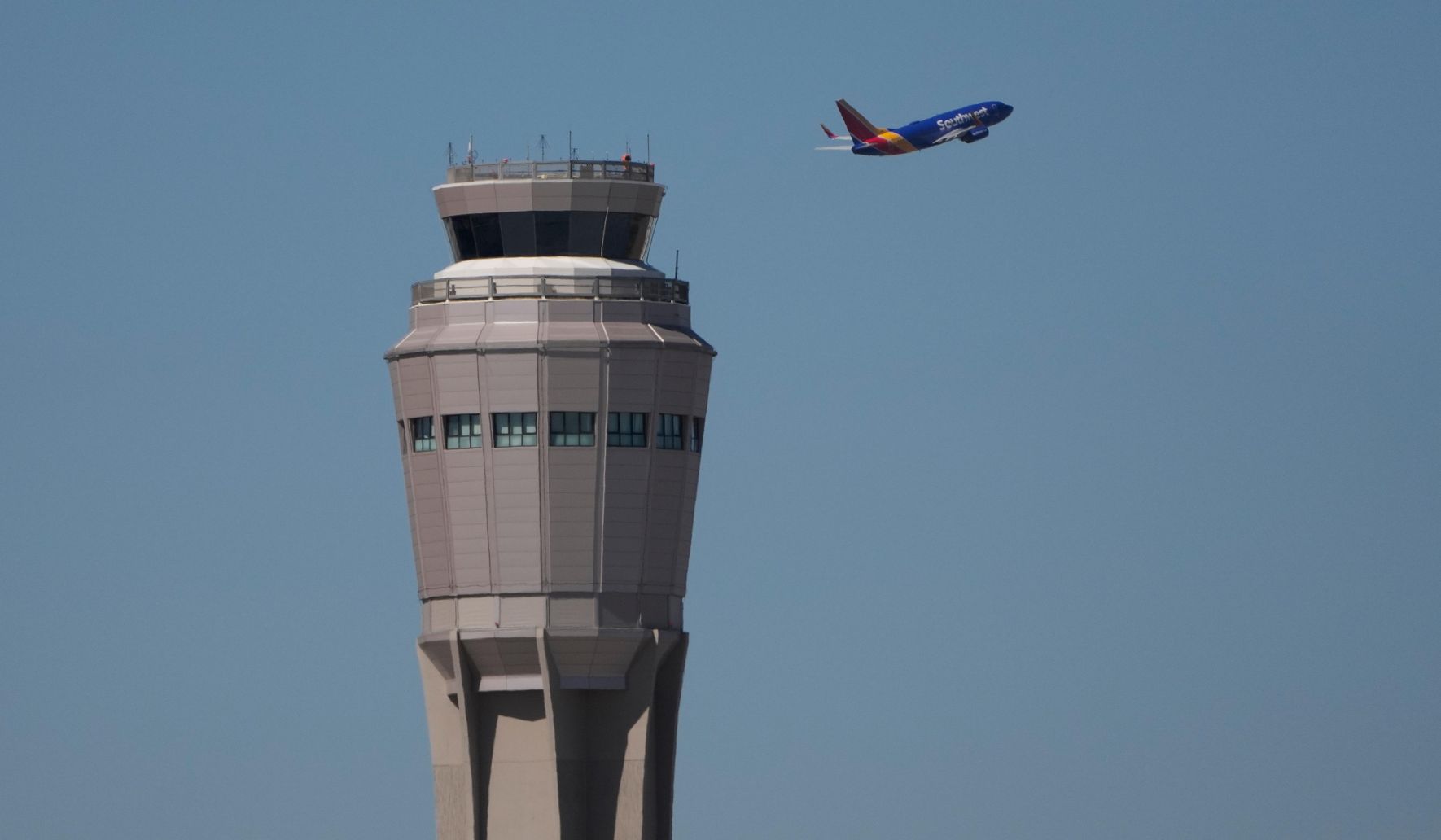
Transportation Secretary Sean Duffy warned Sunday that air traffic controllers are “wearing thin” after weeks of working without pay during the government shutdown, and this blow-by-blow account lays out what that means for safety, operations, and the politics around reopening key services. The situation touches core Republican concerns: keeping the skies safe, defending workers who ensure commerce moves, and insisting on responsible federal spending that protects essential services without rewarding prolonged shutdowns. This piece examines the operational strains, the human toll on controllers, the economic ripple effects through airports and airlines, and the practical policy responses that respect both security and budget discipline.
Air traffic controllers perform one of the nation’s highest-stakes public jobs, and losing pay for weeks undermines operational stability in ways money alone does not fix. Controllers work long, concentrated shifts where split-second decisions matter; fatigue, stress, and distracted attention degrade performance. When the people who manage takeoffs and landings are forced to work without regular pay, morale drops and the margin for error narrows.
That morale hit shows up in measurable ways: increased use of overtime, controllers trading off shifts to cover shortages, and more frequent reports of exhaustion among staff. Those coping strategies keep the system running in the short term but create brittle conditions that are dangerous during traffic spikes or bad weather. The aviation system depends on a baseline of readiness, and repeated shocks from shutdowns chip away at that baseline.
Beyond the immediate safety picture, there are clear economic consequences. Airports, airlines, and cargo carriers lose time and money when staffing gaps force delays, reroutes, or capacity cuts. The broader supply chain pays a price too, because airfreight and time-sensitive passenger connections ripple through commerce. These costs show why even a temporary paralysis at the federal level has outsized impacts on private-sector activity.
Republican priorities here are straightforward: protect safety, preserve jobs, and avoid open-ended spending that creates incentives for future shutdowns. That means distinguishing between essential security functions that must be funded and other discretionary spending where the budget can be disciplined. Federal payroll for safety-critical personnel should be insulated from political brinkmanship so that those who keep Americans safe don’t become bargaining chips.
Operational fixes can and should be paired with fiscal responsibility. One approach is short-term funding focused on critical services while negotiations continue over broader appropriations. That keeps runways open and controllers on the clock without eliminating the leverage Congress needs to negotiate priorities. It’s a conservative principle to fund security first, then debate the rest, rather than endangering public safety for political point-scoring.
There is also a personnel side that gets less attention but matters for retention and recruitment. Controllers who endure unpaid stretches may reconsider long-term career plans, and prospective hires may opt for more stable private-sector roles. That attrition compounds staffing problems and increases the future cost of rebuilding capacity. Safeguarding steady pay for safety positions is an investment in the continuity of critical services.
Politically, the optics of forcing essential workers to go without pay cut against the legitimacy of any tough negotiating posture. Voters notice when the people who keep airports functioning are left in limbo, and that can erode support for a strategy that tolerates prolonged shutdowns. From a Republican standpoint, negotiating hard on spending still needs to respect the practical limits of what the public expects from government: secure borders, safe skies, and uninterrupted emergency services.
In short, the current shutdown highlights a simple reality: certain federal functions are nonnegotiable when it comes to public safety and economic stability. Sean Duffy’s stark observation that controllers are “wearing thin” is not just a rhetorical line; it signals systemic stress that policymakers ignoring it will only make worse. Realistic, targeted funding for safety-critical roles combined with a broader commitment to fiscal restraint offers a way forward that protects Americans today without abandoning conservative principles.

