

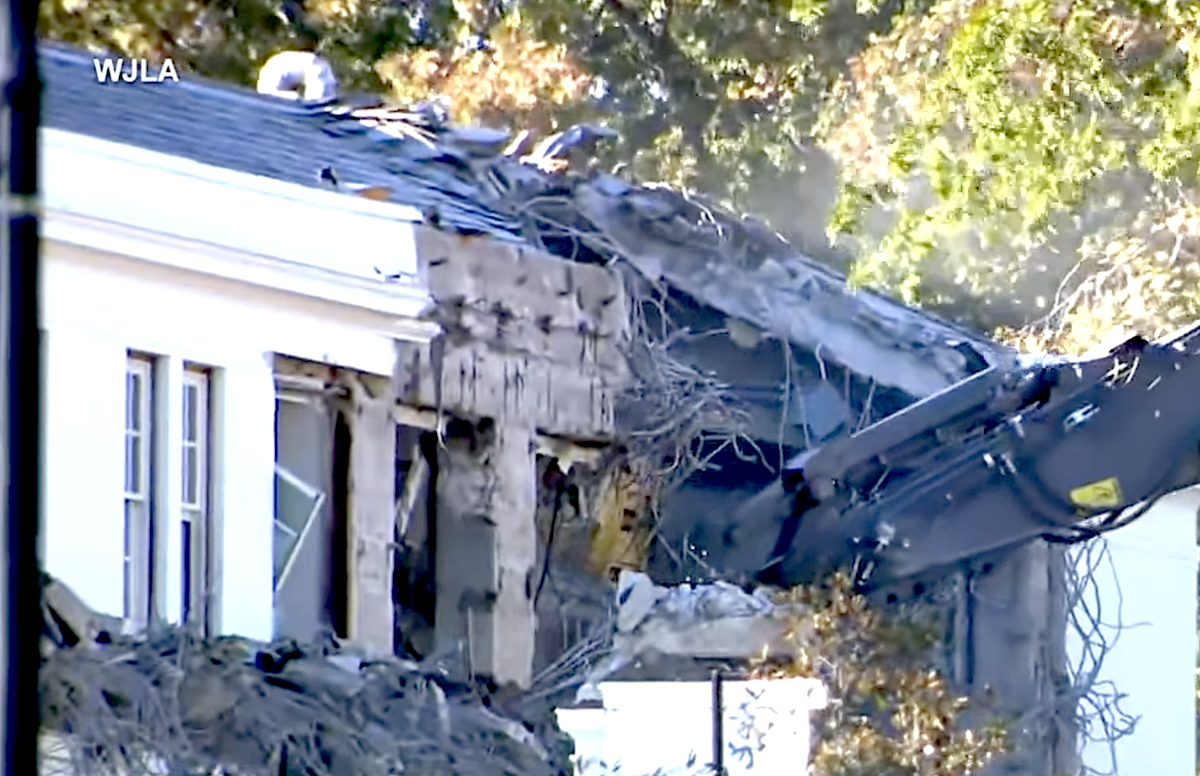
Republicans see the fuss over the new White House ballroom as predictable outrage from the left, not a real debate about national security or function. This piece explains why the upgrades are sensible, why transparency could improve, how past administrations handled similar changes, and why the ballroom is a practical addition every president will use.
The meltdown from Democrats over replacing the old East Wing reads like a political reflex: oppose anything this administration does. That reaction tells you more about partisan instinct than about the project itself, and it’s worth calling out for what it is. You can dislike the delivery and still accept the logic behind an upgrade that modern presidents need.
There are legitimate criticisms worth hearing, and they are simple: be clearer about plans and give more notice when historic spaces face big changes. National security often limits what can be disclosed, so full detail is sometimes impossible. Still, a basic courtesy and clear public messaging would have saved a lot of heat.
History shows presidents routinely adapt the building to meet new threats and needs. After 9/11, the Bush team realized older secure rooms were outmatched by modern demands, and the situation room got major upgrades to be functional. Later administrations continued that work, because hardening communications and operations is not partisan, it is practical.
The White House also uses staged sets for optics when necessary; critics will remember the “fake Oval Office” and how prior presidents used similar measures for photo ops. Those tactics are not new, and they reflect an administration managing both image and function. The point is that creative solutions have long been part of how the executive branch operates.
Work under other administrations has even included major subterranean projects that were kept under wraps for security reasons. For a time the north lawn was obscured during construction, and an underground complex grew out of sight. Those efforts sparked conspiracy chatter, but most of those spaces exist to protect the compound and sustain operations long term.
A ballroom is not a scandal. It is a tool for diplomacy, security, and statecraft when you need to host formal dinners, receive foreign delegations, or stage large events without ad-hoc tents. Trump has long understood the functional need for a modern event space and once even offered to fund a similar project years ago, showing this is about capability, not vanity.
“In classic Trump fashion, the president is prusuing a reasonable idea in the most jarring manner possible. Privately, many alumni of the Biden and Obama White Houses acknowledge the long-overdue need for an event space like what Trump is creating. It is absurd that tents need to be erected on the South Lawn for state dinners, and VIPs are forced to use porta-potties.”
The Washington Post correctly warned that left-leaning bureaucracy would likely strangle such projects in permitting fights and environmental delays. The pieces of red tape Democrats champion often turn sensible infrastructure into decade-long fights, from ports to public works. This project dodged that paralysis by moving forward, and that’s part of the argument in its favor.
“The next Democratic president will be happy to have this.”
On social media, confusion about names like East Wing versus East Room fuels outrage that collapses under scrutiny. The old East Wing served its purpose, but buildings evolve and the White House has always been reworked to fit new presidential needs. What matters is functional improvement, not preserving a snapshot of a past layout when it no longer meets current requirements.
The broader point is political: Democrats are opposing a practical upgrade because opposing Trump is their top priority. If a future Democrat chose to remove the ballroom, they’d be discarding a tool that would help their own administration. Most likely, like many good ideas, the space will be used by every party because it does a job the White House needs done now.

