

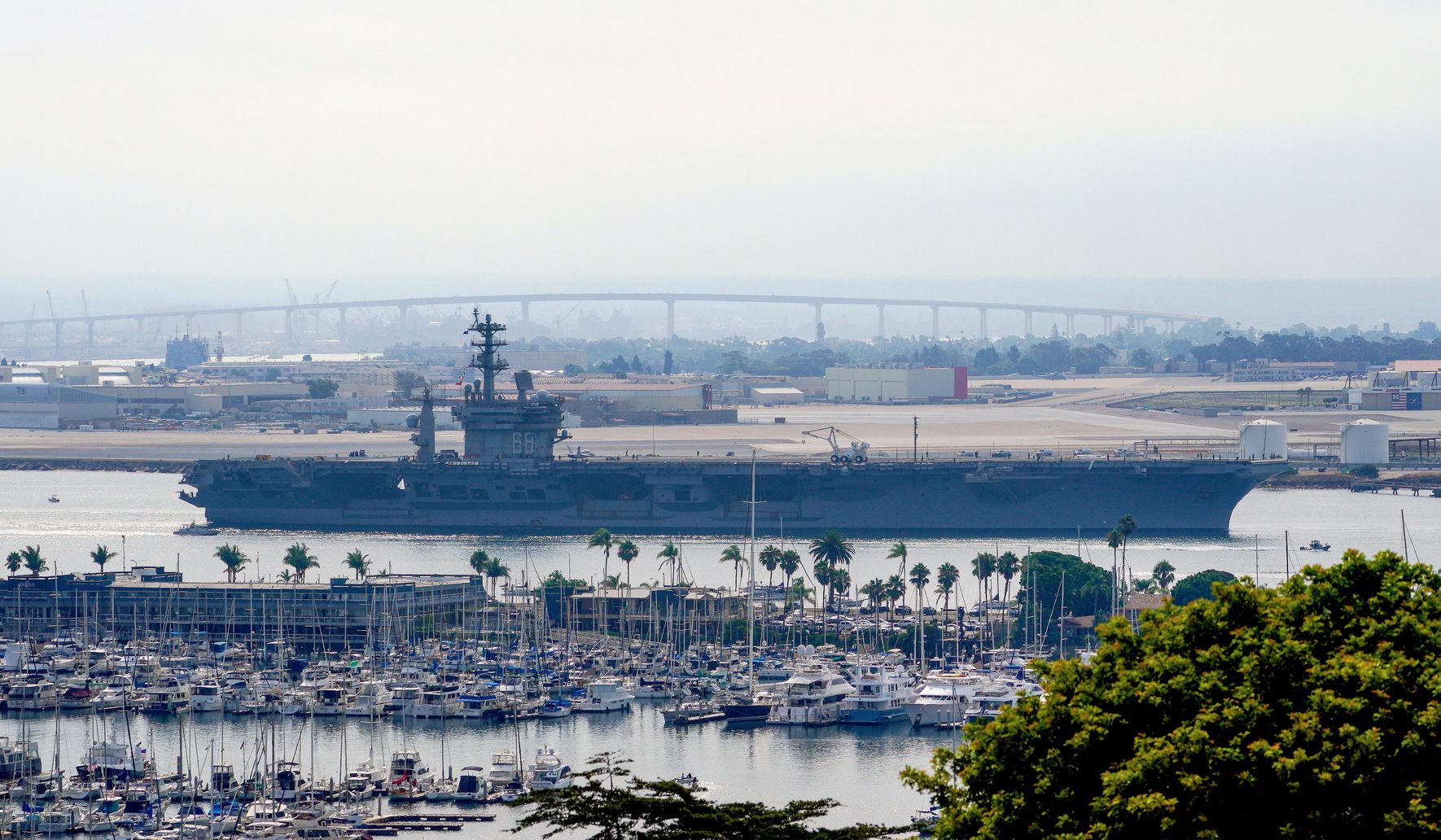
A Navy statement says a fighter jet and a helicopter operating from the aircraft carrier USS Nimitz went down in the South China Sea on Sunday afternoon, with both aircraft crashing into the water within 30 minutes of each other; the Pacific Fleet says rescue efforts and an investigation are underway. Officials confirmed the two separate mishaps involved carrier-based airframes and that search-and-rescue teams were dispatched immediately. Details about causes, crew status, and the exact coordinates remain limited as the Navy continues its response and fact-finding.
The incidents happened during routine carrier operations, the Navy reported, and occurred close enough in time to raise questions about whether the events were connected. Carrier flight decks are high-tempo environments where pilots and air crews operate under strict procedures, but accidents can still happen. The Pacific Fleet emphasized its priority on recovering personnel and preserving evidence to understand what went wrong.
Search-and-rescue resources were mobilized from the carrier strike group and nearby ships, along with helicopters and surface vessels, as soon as the mishaps were reported. Standard Navy protocol calls for immediate launch of rescue helicopters and coordinated surface searches when aircraft ditch at sea. The carrier likely turned into the wind, launched rescue gear, and coordinated with air traffic control on board to support recovery efforts.
At this stage the Navy has not released names, the number of personnel involved, or the fate of any aircrew, citing ongoing operations and notification procedures for families. Those notifications usually take place before public announcements when casualties or missing personnel are involved. The service historically provides casualty updates through official channels once next of kin have been informed and initial rescue operations conclude.
Investigators from naval aviation safety units are expected to board the carrier or rendezvous with the strike group to begin collecting data, interviewing witnesses, and examining flight records. The Naval Safety Center and other specialized teams typically lead these inquiries, which can take weeks to months depending on the complexity of the incident. Flight data recorders, maintenance logs, and crew statements will play central roles in determining whether human error, mechanical failure, maintenance issues, or environmental factors contributed.
The South China Sea is a busy maritime region for military and commercial traffic, and carrier operations there are routine but closely watched. Operating from carriers requires precise coordination between pilots, air controllers, and deck crews to manage launches and recoveries safely. Any incident at sea presents additional challenges for rescue and recovery because of weather, sea state, and the practical limits of conducting operations far from shore.
Commanders aboard the carrier and within the strike group have responsibility for managing both immediate tactical responses and longer-term administrative actions after an accident. That includes standing up safety boards, preserving perishable evidence, and supporting affected sailors and aircrew families. The Navy also has a history of releasing preliminary findings publicly once initial assessments are complete, and a final report when investigations wrap up.
For now the public account is focused on the quick sequence of two crashes within half an hour and the Navy’s activation of search-and-rescue forces from the USS Nimitz strike group. Officials will provide updates as they become available, but investigators need time to gather facts and draw conclusions about whether the two events are linked or coincidental. The carrier force will remain engaged in rescue, recovery, and the safety review processes central to naval aviation operations.

