

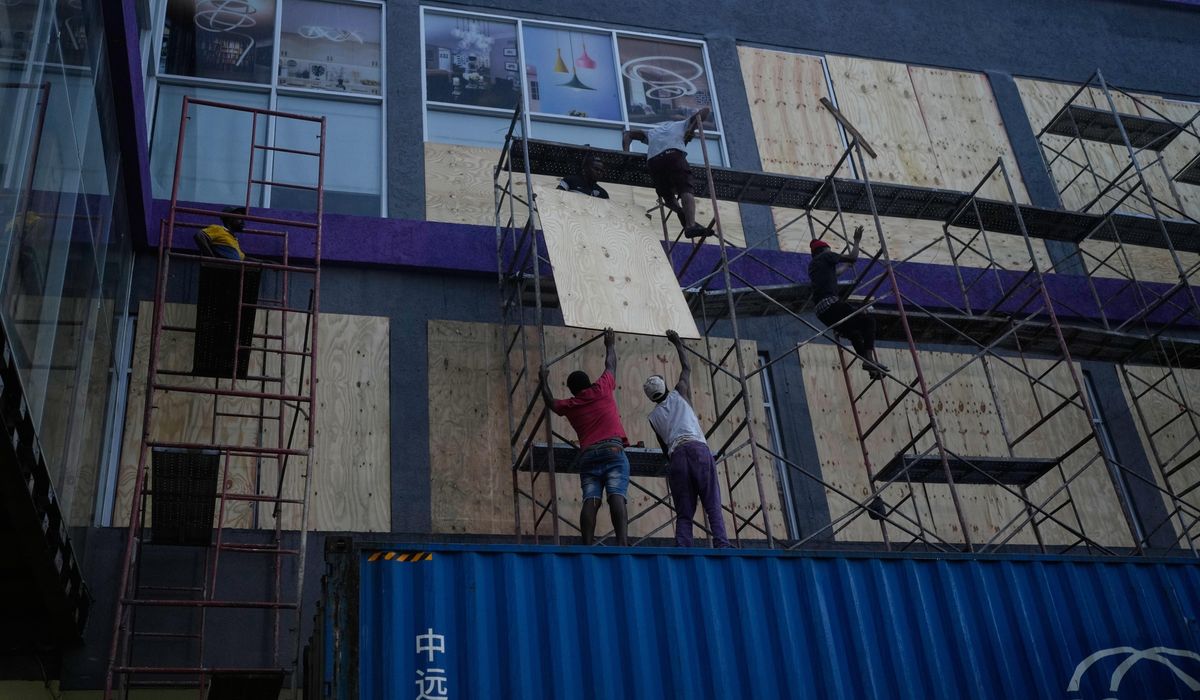
Hurricane Melissa strengthened to Category 5 as it closed in on Jamaica, bringing the threat of up to 30 inches (76 centimeters) of rain and a life-threatening storm surge. This article explains the immediate hazards, what the forecasts are saying, and how communities and infrastructure are likely to be affected. It focuses on practical impacts and the evolving situation without speculation.
The storm’s rapid intensification to Category 5 left little room for complacency, and authorities flagged extreme rainfall totals and dangerous coastal inundation. Up to 30 inches (76 centimeters) of rain are possible, which makes freshwater flooding and landslides a major concern across the island. A life-threatening storm surge raises the risk for low-lying coastal communities, marinas, and waterfront infrastructure.
Flood-prone areas face the greatest immediate danger because sustained heavy rain can overwhelm rivers and drainage systems fast. Urban flooding will strain roads and emergency response, while rural zones with steep terrain increase the chance of mudslides. Both settings create hazardous conditions for rescue operations and can isolate communities for days.
Power and communications infrastructure are particularly vulnerable in strong storms, and prolonged outages are a realistic possibility given the intensity of this event. Downed trees, flooded substations, and damaged distribution lines can leave neighborhoods without electricity and cell service. That disruption will complicate recovery efforts and slow the flow of information when situational awareness is most critical.
Transportation networks often take a direct hit from extreme weather: washed-out roads, blocked bridges, and flooded airports may force cancellations and reroutes. Supply chains for fuel, food, and medical supplies can be interrupted, creating ripple effects beyond the immediate storm footprint. Port facilities and marine traffic should expect severe disruptions if storm surge and high seas coincide with the approach.
Forecasts carry uncertainty around exact landfall location and timing, so preparedness must account for a range of scenarios rather than a single expected track. Rapid fluctuations in a storm’s core and steering currents can change localized impacts, which is why continuous monitoring is essential. Official advisories and local alerts remain the best source for up-to-the-minute guidance.
Public safety actions that reduce risk include heeding local evacuation orders, avoiding floodwaters, and staying clear of downed lines and debris after the wind subsides. Securing loose outdoor items and reinforcing vulnerable structures can limit damage, and having a basic emergency kit helps with short-term disruption. Those sheltering should follow local shelter guidelines to protect themselves and first responders.
Economic and social impacts will unfold as the water recedes and damage assessments begin, affecting homes, businesses, and agricultural lands. Recovery timelines depend on access, infrastructure status, and how quickly power and critical services can be restored. Insurance, government relief, and community support will all play roles in rebuilding and restoring normal operations.
Regional monitoring agencies and international partners will be watching the storm closely and often provide technical support and resources following major events. Coordination among local authorities, utility companies, and humanitarian organizations is key to a rapid, organized response. In the hours and days ahead, reliable information from official channels and cautious, proactive choices by residents will determine how communities fare through and after the event.

