

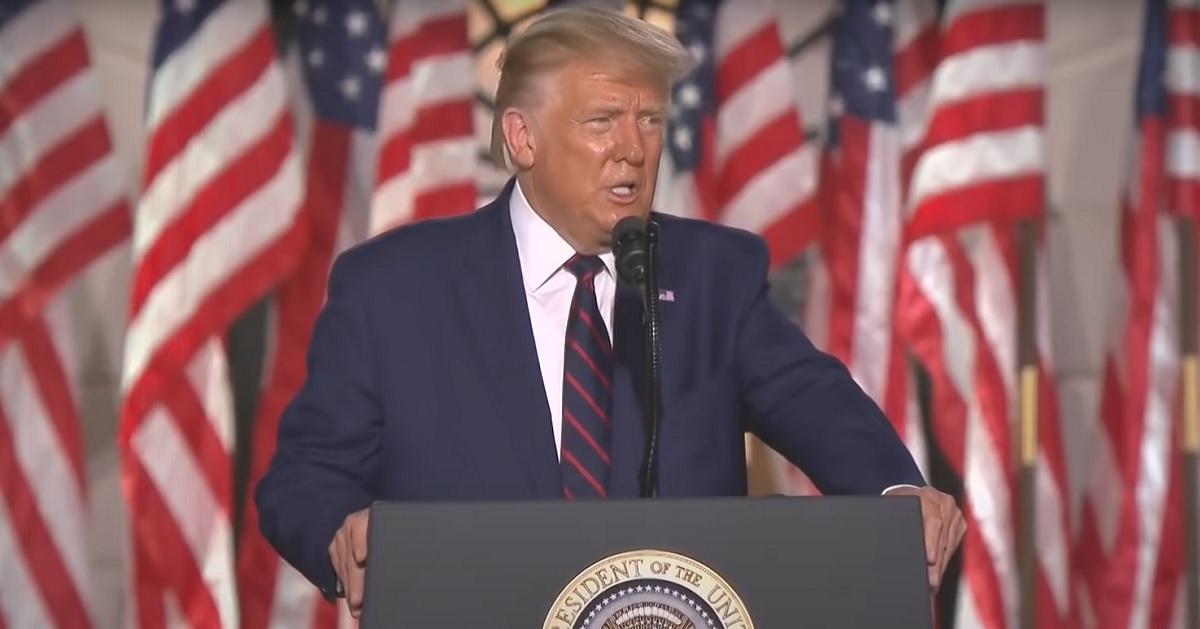
President Donald Trump turned Kuala Lumpur into a stage for American priorities, securing a formal peace accord between Cambodia and Thailand and signing trade memoranda with Cambodia, Thailand, and Malaysia that aim to strengthen U.S. influence in Southeast Asia, all while keeping a lively public presence that included joining local dancers in his signature “YMCA” routine. The trip built on a ceasefire from late July and moved quickly into concrete deals on minerals, market access, and tariff adjustments, signaling a hard-nosed, results-first approach. This visit is the opening act of a five-day swing through Asia that will include stops in Japan and South Korea and a follow-up meeting with Chinese leader Xi Jinping.
Trump’s arrival in Malaysia mixed showmanship with substance, and that blend was deliberate. After stepping off the plane and joining the dancers, he shifted immediately to negotiations and signings, underscoring that theater and toughness can coexist. This was not vacation diplomacy; it was a carefully staged push to cement American leverage in a competitive region.
On the peace front, the mission built on a ceasefire brokered in late July and culminated with a formal deal finalized on Sunday that aims to lock in stability between Cambodia and Thailand. That agreement matters because it replaces fragile pauses with a formal framework for de-escalation and cooperation. Malaysian Prime Minister Anwar Ibrahim lauded the effort, saying, “The world needed more examples of such leadership toward peace.”
From a Republican vantage point, the outcome proves that decisive action beats endless deliberation. The deal demonstrates a willingness to use influence to produce concrete results, rather than accepting the status quo or relying on platitudes. Where others trade speeches for outcomes, this approach pushes for measurable returns for American interests.
Economically, the visit produced several memoranda designed to lock in resources and market access. Trump signed a minerals investment pact with Thailand and a parallel agreement with Malaysia aimed at securing critical inputs for U.S. industry. He also clinched a trade deal with Cambodia to expand access for American goods, creating new opportunities for exporters and manufacturers back home.
The Thailand agreements included a headline move to eliminate tariffs on 99% of U.S. goods, paired with commitments for Thai purchases of American energy, agricultural products, and aircraft. At the same time, the U.S. preserved a 19% tariff on most Thai imports with selected exemptions, using tariffs as leverage rather than surrendering them outright. That balance reflects a negotiating posture that protects domestic producers while opening doors where it counts.
Part of the package also required tougher labor and environmental standards from Thailand and concrete steps to dismantle non-tariff barriers that have long blocked fair competition. Those provisions are meant to level the playing field for American workers by forcing trading partners to meet higher benchmarks. Critics on the left may gripe about tariffs, but the point is to ensure reciprocity and enforceable commitments, not to accept one-sided deals.
These moves are not just trade paperwork; they are strategic maneuvers in a region where economic influence equals geopolitical power. Securing mineral supplies, preferential market access, and tariff adjustments all serve to reduce rivals’ leverage and expand U.S. options. In practical terms, the administration is treating trade as a tool of national power rather than as a detached technocratic exercise.
The itinerary extends beyond Malaysia, with planned stops in Japan and South Korea intended to reinforce alliances and coordinate economic and security policy across East Asia. A consequential second meeting with Xi Jinping looms as well, described by many as a critical window for further progress before domestic legal battles over emergency tariffs potentially reshape leverage. The timing matters because court outcomes could alter what is negotiable in any future settlement.
In a political environment where cultural fights often drown out policy wins, this trip was framed to produce tangible outcomes: peace, market access, and strategic alignment. The approach favors action and enforceable commitments over symbolic gestures, and it seeks to translate diplomatic energy into concrete gains for American prosperity and security. That forward-leaning mix of toughness and deal-making is exactly the kind of leadership that reshapes regional dynamics without asking permission.

