

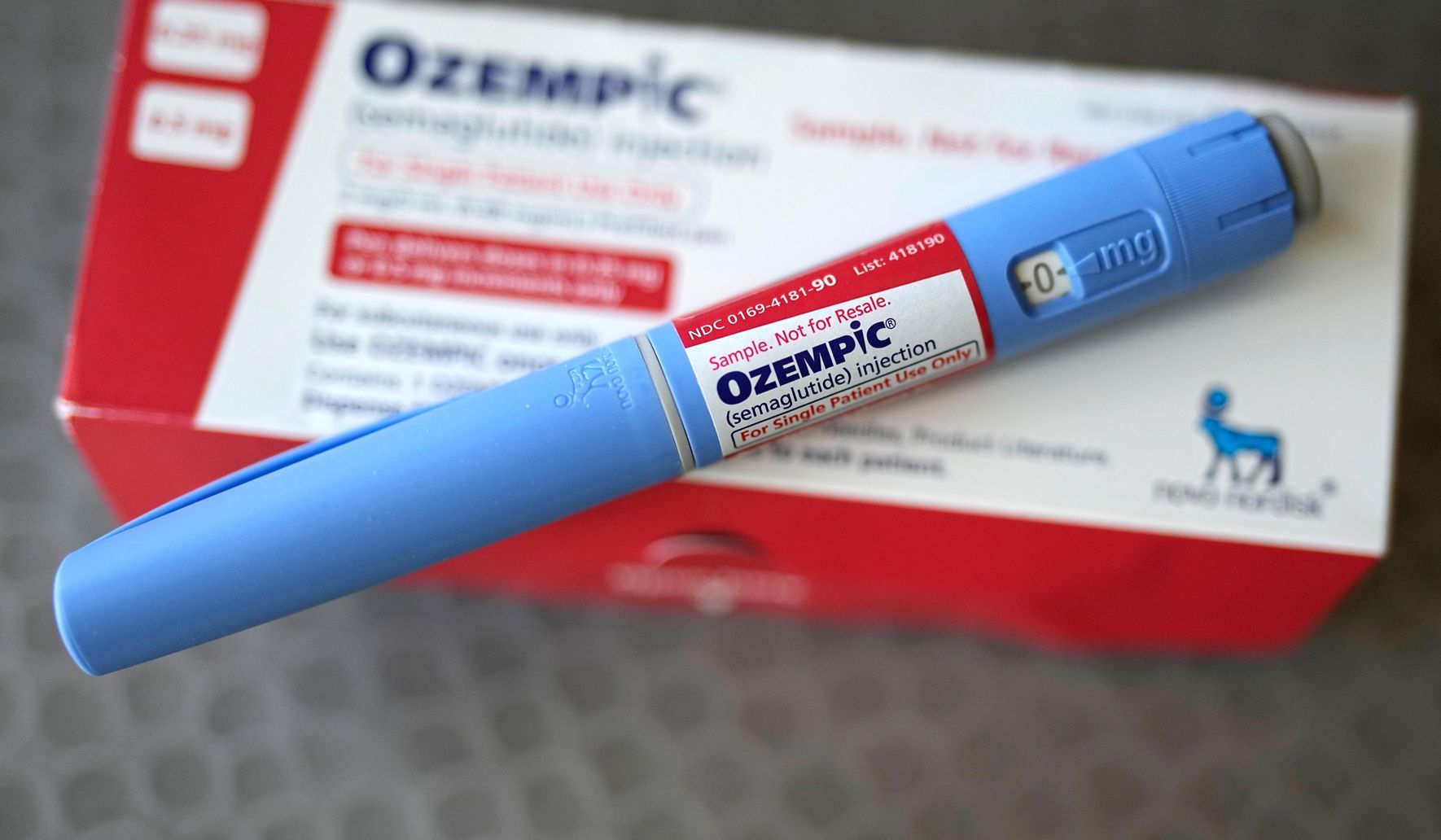
The recent Gallup finding that adult obesity in the U.S. fell from a record 39.9% in 2022 to 37% this year has captured attention and sparked debate about what’s driving the change. This article looks at that shift, the role weight-loss medications may be playing, and the practical questions that follow for patients, doctors, employers, and policymakers. It focuses on measurable trends and real-world implications without diving into technical jargon. The tone is straightforward and aimed at helping readers understand the potential meaning behind the numbers.
“Weight-loss drugs have driven obesity down from a record high of 39.9% of Americans in 2022 to 37% of adults surveyed this year, the Gallup Poll reported Tuesday.” That quote sums up the headline finding and links the change directly to prescription therapies, at least in public discourse. Whether the drop is mostly attributable to medications, lifestyle changes, or a mix of both is still being debated. The Gallup numbers give us a clear snapshot, and that alone is worth examining.
Prescription weight-loss medications have moved from niche treatments to mainstream options in a few short years, and that shift shows up in conversations across healthcare. Patients describe better results than before, and prescribers report rising demand. Even without exact breakdowns, the timing of greater access to these drugs and the declining obesity rate makes it reasonable to consider a connection.
At the same time, a one- or two-point drop in a national percentage is not a cure-all or a guarantee of long-term change. Population-wide shifts can reflect short-term enrollment patterns, people trying medication briefly, or even changes in how people report height and weight. So the statistic is important, but it also raises questions: who is losing weight, how long the effect lasts, and what other factors are at play?
Access and cost are central to how meaningful this trend will be over time. Many of the newer treatments are expensive and require prescriptions and follow-up care, so uptake favors those with better insurance or deeper pockets. If access widens through broader insurance coverage or lower prices, the public-health effect could grow; if not, improvements may remain uneven across income and demographic groups.
Safety and supervision matter too. These drugs can provide significant weight loss but may come with side effects that require medical oversight. That means doctors, pharmacists, and patients need clear guidance on who should take them, how to monitor treatment, and what to do when therapy stops or needs adjustment. Scaling up use responsibly will make the difference between a temporary headline and sustained public-health gain.
Employers, insurers, and policymakers are already paying attention because even modest reductions in obesity can affect healthcare spending and workforce productivity. Employers weigh the cost of coverage against potential savings from fewer obesity-related medical claims, while insurers look at long-term chronic disease trajectories. Policy choices about coverage, reimbursement, and regulation will shape whether the Gallup numbers mark a turning point or a short-lived blip.
Ultimately, the drop from 39.9% to 37% opens a window on how medical advances can intersect with public health. The numbers are encouraging, and they demand careful follow-up rather than simple celebration. Monitoring who benefits, tracking outcomes over time, and ensuring safe, equitable access will determine whether the trend becomes lasting progress.

