

The US and Iran appear to be edging toward a very fragile deal, but deep doubts remain about inspections, sanctions relief, and Tehran’s willingness to curb regional aggression.
“The US and Iran are considering a tentative agreement – with a strong emphasis on “tentative.”” That line captures where talks stand: an outline rather than a finished pact, and a reminder that dust can still settle one way or the other. Diplomacy is moving, but skepticism is the sensible posture when dealing with a regime that has repeatedly broken promises. Expect a lot of careful parsing from lawmakers and pundits as details leak out.
May 30, 2026 is the public moment when these developments got more serious coverage, and the timing matters. Domestic politics in Washington and regional pressure points in the Middle East shape whether any deal is durable. Republicans will watch how much leverage the United States keeps and how much room Iran gets to resume economic normalcy. The lawmaking branch will push for hard guarantees and ironclad verification.
There are three core sticking points: verification of nuclear activities, the pace and scope of sanctions relief, and Iran’s support for proxy militias. Verification is non-negotiable if the U.S. is to trust any compliance claims. Republicans often argue that without unannounced inspections and a transparent baseline, Tehran can game the system and buy time for weapons development.
Sanctions relief is politically explosive at home because it hands the Iranian state new resources. Republicans view any rapid or broad lifting of economic penalties as rewarding bad behavior. The instinct on the right is to tie relief to verifiable, irreversible steps that change Tehran’s strategic calculus rather than deliver cash that could fuel regional hostility.
Tehran’s proxy networks across Iraq, Syria, Lebanon, and Yemen are an urgent security problem that a limited nuclear deal might ignore. Even if Tehran suspends certain nuclear activities, it could still project power through militias. Republicans stress that the United States must consider the whole security picture, not just centrifuges and enrichment levels.
Military deterrence remains a crucial card in any negotiation. Republican strategists argue that credible force, and the willingness to use it, underpins diplomacy. If Tehran believes it can resume aggressive behavior without cost, any agreement will be fragile. Keeping capabilities visible and centers of influence constrained is part of maintaining leverage.
Congressional oversight will be intense because legislative controls can shape the practical outcomes of an agreement. Republicans in Congress typically demand clear reporting, sunset reviews, and oversight mechanisms before voting to ease restrictions. That institutional scrutiny aims to prevent a repeat of past deals that lacked adequate enforcement tools.
Trust but verify is not a slogan here; it’s a required operating principle for an administration that wants broad support. Republicans emphasize irreversible measures, like dismantling key infrastructure and real-time monitoring, over paper commitments. The goal is to ensure compliance is demonstrable, not merely asserted in diplomatic notes.
Regional allies are watching closely, and their skepticism can determine the political viability of any U.S. move. Israel, Sunni Arab partners, and other stakeholders demand assurances that their security concerns are front and center. Republicans often side with these allies when arguing that any agreement must reduce Tehran’s capacity to destabilize the neighborhood.
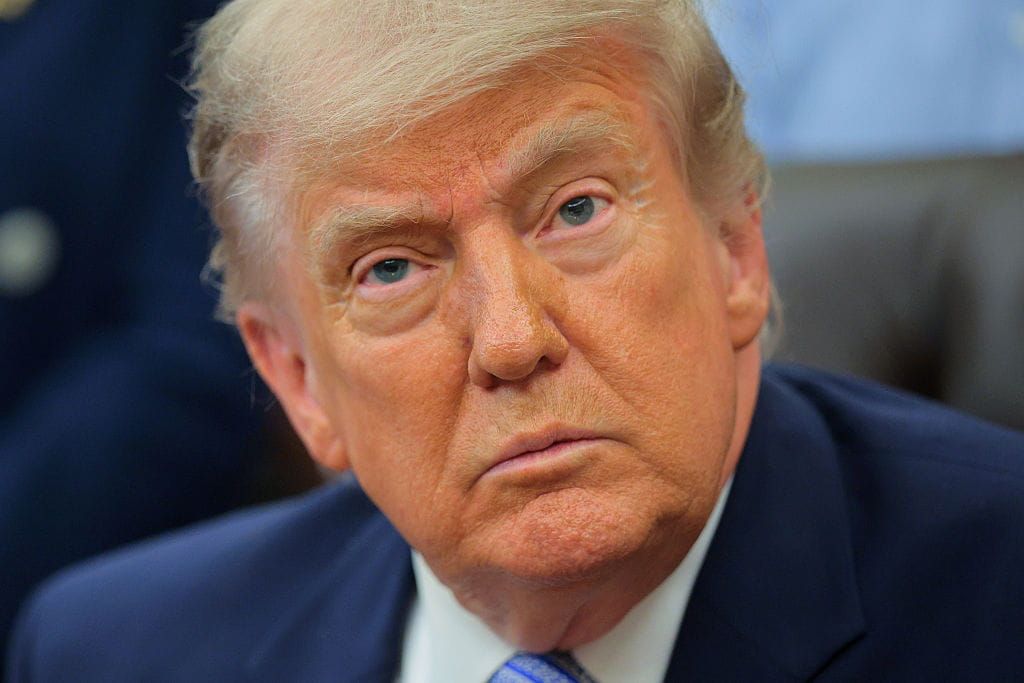
For now, nothing is finalized and every paragraph of a potential pact will be parsed for loopholes. The phrase “tentative agreement” fits because it signals movement without sealing fate. Donald Trump — (Photo by Chip Somodevilla/Getty Images) appears in the public conversation as partisan debate intensifies, but the underlying thread is sober: national security demands clear, enforceable terms backed by consistent pressure.

