

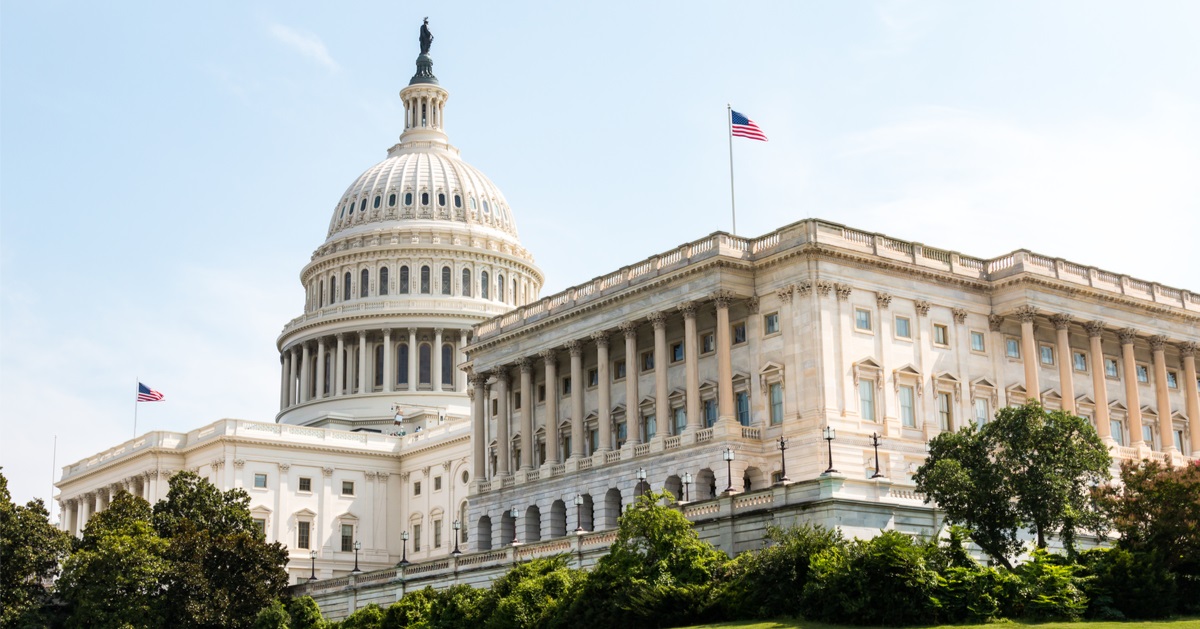
Nearly a month after Democrats refused to pass a continuing resolution and precipitated a federal shutdown, Republicans pushed to reopen the government but were blocked in the Senate. The impasse has highlighted a standoff over whether funding comes first or whether talks over Affordable Care Act subsidies must take place before government operations resume. Federal employees are already feeling the effects, and even some labor leaders are publicly urging an end to the shutdown.
Close to a month has passed since Democrats refused to pass a continuing resolution, thereby shutting down the federal government. Congressional Republicans repeatedly moved to restore funding so federal agencies could reopen and workers could get paid again. Each time, Senate Democrats used procedural tactics to stop those efforts, creating a persistent stalemate in Washington.
On the latest vote, only three senators who normally align with Democrats crossed the aisle: Pennsylvania Sen. John Fetterman, Nevada Sen. Catherine Cortez Masto, and Maine Sen. Angus King, an independent who caucuses with Democrats. The measure earned 54 votes in favor but fell short of the 60 needed to overcome the filibuster. That marked the 13th time Democrats blocked a bill aimed at restoring funding, a pattern Republicans see as choosing politics over people.
Senate Minority Leader Chuck Schumer framed the debate around health care, insisting Republicans refuse to negotiate over subsidies. “Republicans do not even want to talk about fixing health care. Americans are on the brink of a health care crisis unlike we have seen in our lifetimes,” he said, making health policy the central reason Democrats insist on holding up funding. Republicans argue that key priorities like funding the government should not be hostage to unrelated policy demands.
Senate Majority Leader John Thune pushed back, saying any discussion about Affordable Care Act subsidies should come after the basic work of funding government is done. That position reflects a straightforward sequence: reopen government first, then address policy disputes. The difference in priorities has hardened the standoff and left federal operations in limbo.
The stalemate has drawn criticism beyond the usual partisan back-and-forth. The American Federation of Government Employees, a union that traditionally aligns with Democrats on many issues, publicly called for an end to the shutdown and urged Congress to act immediately. Its national president, Everett Kelley, slammed the deadlock as harmful to families and institutions across the country.
“This week, Congress pushed our nation into the fourth week of a full government shutdown – an avoidable crisis that is harming families, communities, and the very institutions that hold our country together,” AFGE national president Everett Kelley said in a statement. “It’s time to pass a clean continuing resolution and end this shutdown today,” he added. “No half measures, and no gamesmanship. Put every single federal worker back on the job with full back pay — today.”
Beyond words, the numbers show the human cost of the impasse. Data published by the Bipartisan Policy Center indicate roughly 670,000 federal workers have been furloughed. Another 730,000 employees are working without pay, stretching household budgets and forcing many to take on debt or cut essentials just to make ends meet.
Many federal employees received their last paycheck on October 10 and then went unpaid at the end of last week, leaving families scrambling to cover bills and basic expenses. For rank-and-file workers who keep ports, parks, air traffic control, and a range of services running, missing paychecks are not an abstract political talking point. They are immediate financial pressure that compounds every extra day the government remains partially closed.
From a Republican perspective, this standoff is a test of priorities and responsibility. Restoring funding is a basic duty that prevents real harm to public servants and the services people rely on. Democrats’ insistence on combining funding with other contentious demands has kept offices closed and paychecks delayed, and that choice is resonating with voters and workers who want practical solutions, not prolonged bargaining.

