

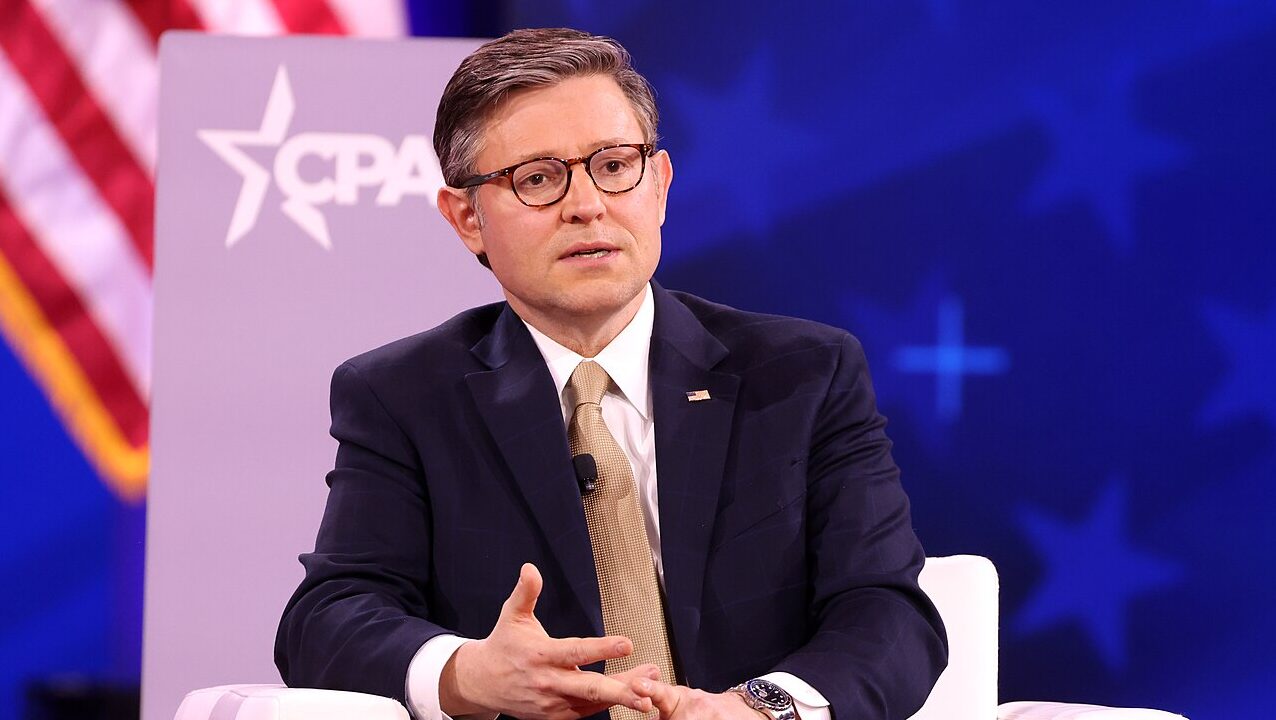
House Speaker Mike Johnson has stayed tight-lipped about whether the House will open hearings or start impeachment proceedings after Senate Republicans disclosed details in the Arctic Frost matter. Those senators say the DOJ and FBI under then-President Joe Biden compiled what they call an “enemies list” of Republicans, and the revelations have rattled conservatives who want accountability. The silence from the House GOP leader is being noticed across the right, raising questions about strategy and resolve.
The disclosures from Senate Republicans landed like a bombshell because they suggest federal law enforcement agencies were weaponized against political opponents. If the allegations are accurate, Americans are looking at a profound breach of trust in institutions that are supposed to be neutral. Conservatives see this as a constitutional problem that deserves swift congressional oversight and public hearings.
Many Republican lawmakers and conservative commentators are pushing for a full examination of how DOJ and FBI resources were used and whether civil liberties were trampled. Those calls are not just political noise; they reflect real concerns about precedent and the balance of power between the people and the federal bureaucracy. For voters who distrust Washington, the idea of lists targeting ideological opponents confirms long-standing fears.
Speaker Johnson’s reticence has two clear political effects: it fuels grassroots impatience and it hands Democrats a talking point about unity and caution. Supporters of immediate action argue that delay looks like acquiescence and weakens the GOP’s credibility on law and order and oversight. Opponents of a rushed response warn about due process and the need for verified evidence before launching impeachment, but that caution must be balanced with transparency.
From a Republican perspective, the priority should be establishing a clear, public record. Subpoenas, sworn testimony, and document productions are the tools of oversight and they work when wielded with purpose. The goal is to give voters the facts so they can judge whether misconduct occurred and who is responsible, not to score partisan points for their own sake.
There are practical considerations that complicate the path forward. Impeachment is a serious and rare remedy that requires a high bar of evidence and a clear legal theory. Even so, investigations can lead to other forms of accountability: criminal referrals, disciplinary actions within federal agencies, and legislative fixes to limit future abuse. Conservatives want remedies that prevent a repeat of any politicized enforcement regardless of whether impeachment ultimately proceeds.
Public trust in the Justice Department and the FBI has been strained for years, and episodes like Arctic Frost deepen that skepticism. Republicans argue that restoring confidence means exposing any partisan targeting and then building safeguards to keep law enforcement neutral. That work doesn’t have to be wildly partisan; it can be framed as reclaiming the institutions for every American.
Grassroots pressure will shape the debate in the House. Activists and donors are watching Johnson and other leaders to see whether words of concern translate into subpoenas, hearings, and real consequences. If the leadership stays quiet or stalls, the conservative base is likely to escalate its demands and look for alternative ways to press the issue publicly.
At the same time, responsible oversight requires rigor and focus, not spectacle. Republicans who want action should push for disciplined investigations that follow the facts and protect witnesses’ rights while exposing any abuses. That approach is more likely to win public support and deliver results that can restore both accountability and faith in our institutions.

