

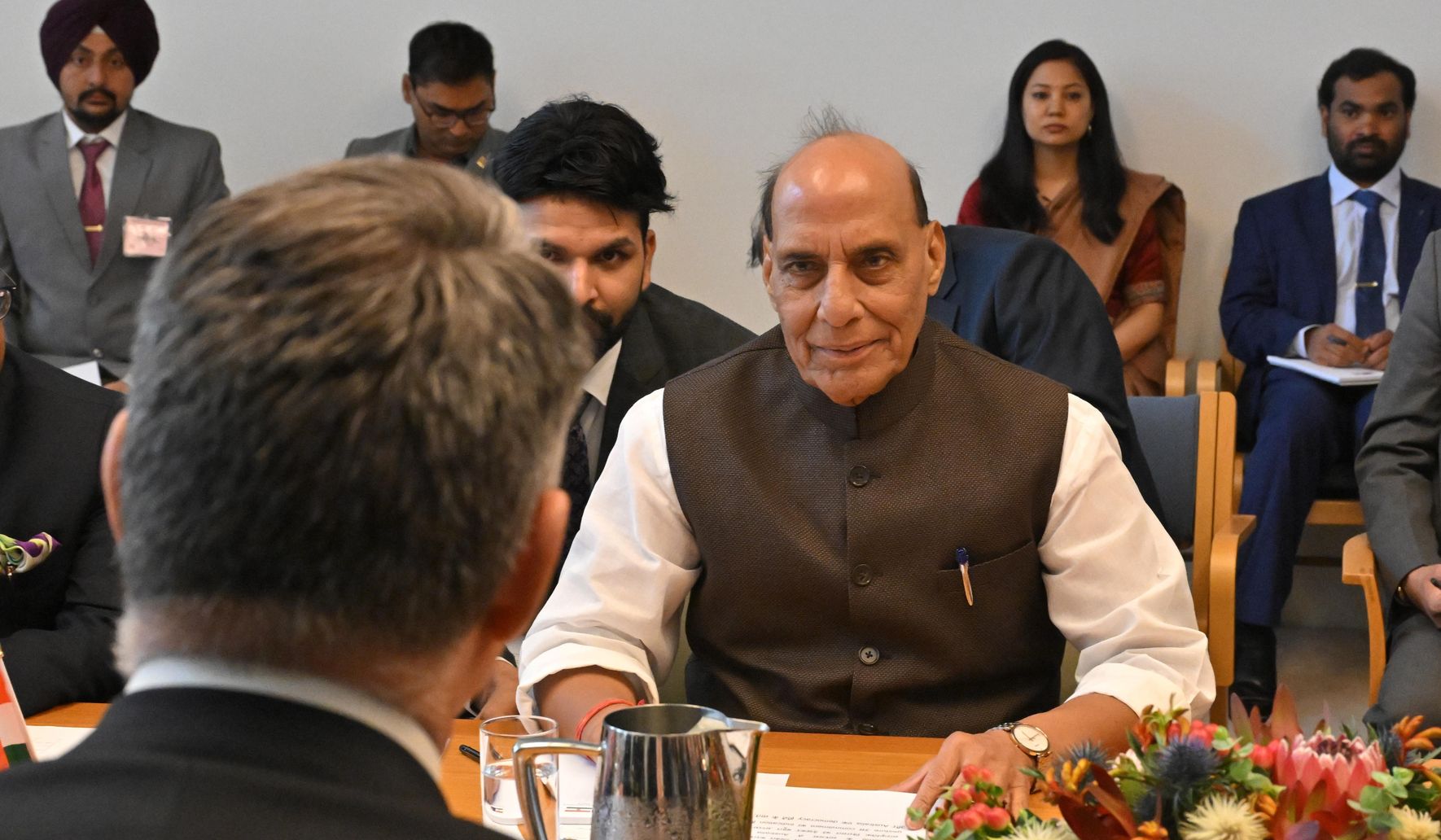
Defense Secretary Pete Hegseth and his Indian counterpart signed a landmark defense agreement on Friday aimed at expanding military and technological cooperation between Washington and New Delhi. This move deepens a strategic partnership that already spans training, logistics, and shared regional interests in the Indo-Pacific. The agreement aims to accelerate interoperability, protect critical technologies, and make both nations more capable together.
This pact is about practical muscle, not ceremony. From a Republican viewpoint, stronger ties with India mean a reliable, capable partner standing up to growing threats, especially in the Indo-Pacific. The deal is designed to make joint operations smoother and reduce bureaucratic friction that slows down real-world cooperation.
One clear focus is technology and defense trade. The agreement opens doors for faster technology transfer and joint development while keeping guardrails to protect sensitive U.S. systems. That balance matters: we want allies to be equipped and interoperable, but not at the expense of America’s strategic advantages or the security of critical systems.
Logistics and basing support are practical pieces of the puzzle. Easier access to ports, maintenance, and supply lines helps both militaries operate longer and smarter in distant seas. For Republicans, sustaining forward presence is a core principle; this pact helps make presence cheaper, steadier, and less politically volatile.
Joint exercises and training will expand under this framework. More realistic drills build trust and reveal gaps before crises happen, which is exactly what a serious defense posture needs. Those exercises also create predictable patterns of cooperation that deter rivals who prefer ambiguity and uncertainty.
Defense industry ties get a boost too, with opportunities for co-production and expanded procurement from trusted partners. That promotes domestic jobs in both countries and strengthens supply chains that are less dependent on adversary-controlled sources. From a policy angle, encouraging friendly industrial partnerships reduces risky dependencies while growing allied capacity.
Intelligence sharing and coordination on maritime security are likely to improve as well. Better information flow cuts reaction times and sharpens decision-making, which matters in fast-moving scenarios. Republicans favor clear-eyed security partnerships that elevate allies’ capabilities without compromising U.S. command over vital intel.
Congressional oversight will play a role going forward, especially where exports and classified tech are concerned. Lawmakers on both sides of the aisle want safeguards, and the agreement does not erase the need for scrutiny. Accountability ensures this partnership advances American interests and keeps sensitive programs protected.
The pact also sends a political signal: the United States values strategic relationships based on strength and mutual respect. For those who believe in standing firm, teaming up with India is a commonsense move to uphold regional stability. It’s a partnership built on capability, not wishful thinking, and it should be judged by results on the water and in the field, not just diplomatic language.

