

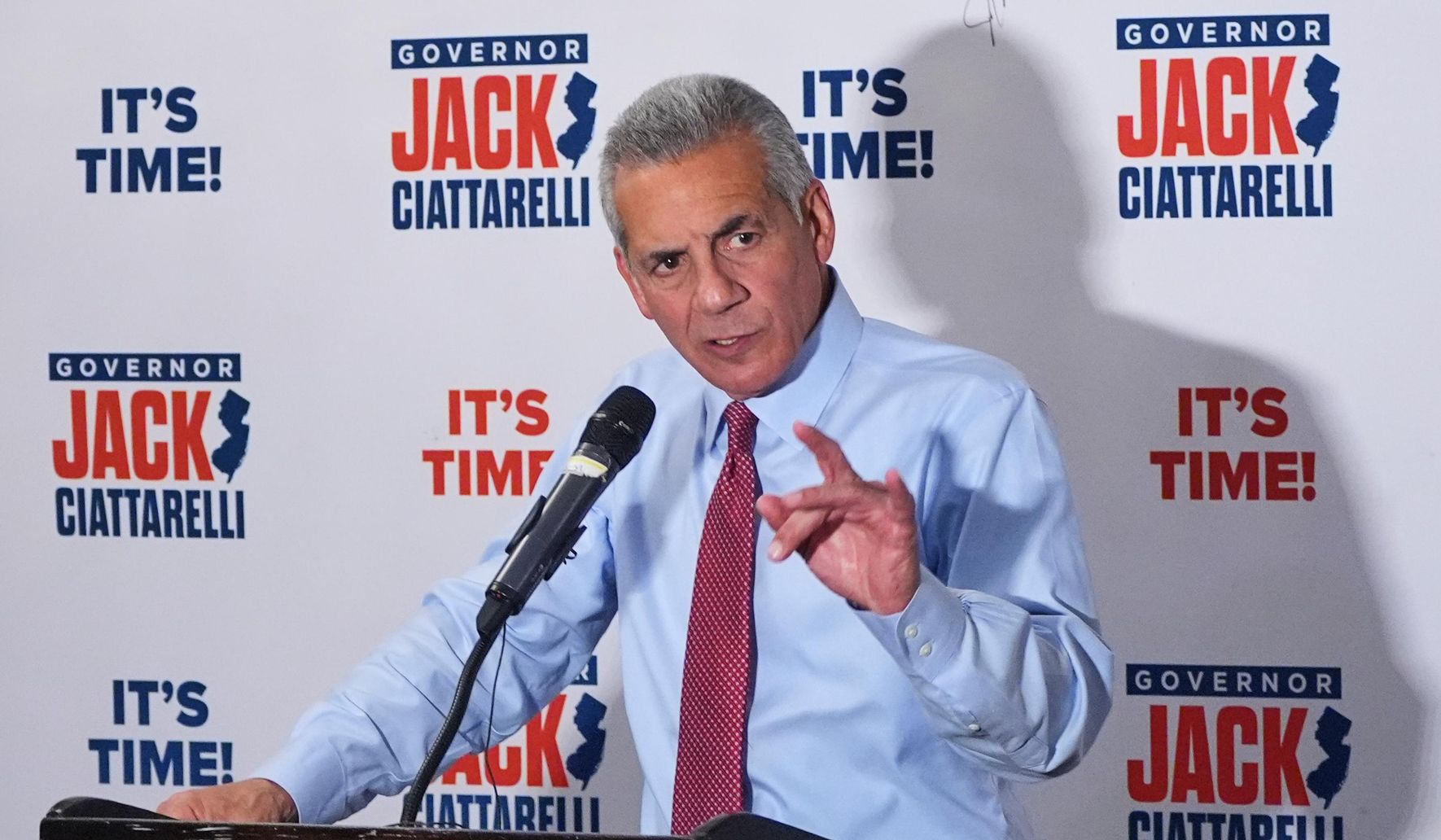
Jack Ciattarelli laid out a sharp, Day 1 blueprint for reclaiming New Jersey, promising to flip the script on decades of policy that many Republicans say have driven families and businesses away. This piece walks through the core of his approach: restoring fiscal discipline, prioritizing public safety, shrinking needless regulation, and giving parents more control over schools. The goal is a practical, fast-moving agenda meant to produce visible results quickly and reset the state’s direction.
Ciattarelli’s first priority is fiscal sanity, and he frames Day 1 actions around that theme. He argues that New Jersey’s spending culture has grown unchecked and that immediate moves are needed to stop wasteful projects and reassess long-term commitments. That kind of fast financial triage is meant to create breathing room for tax relief down the road.
Property taxes are a lightning rod in the state, and his plan aims to tackle them through targeted reforms rather than vague promises. He proposes streamlining government layers and reviewing unfunded liabilities that shift costs onto homeowners. The pitch is straightforward: identify the budget levers that matter and start moving them without delay.
On public safety, Ciattarelli stresses a tough, common-sense stance designed to reassure communities. He criticizes policies he sees as soft on crime and calls for restoring law and order through clearer support for police and smarter bail practices. The message is that safer streets are essential for economic confidence and everyday life.
Economic growth features prominently, with a focus on making New Jersey more business-friendly from moment one. He wants quicker approvals for projects, fewer needless permits, and a regulatory environment that welcomes entrepreneurs instead of repelling them. The pitch aims to reverse the brain drain by keeping jobs and capital in-state.
Education policy in his plan leans toward empowering parents and expanding choices inside and outside the public system. Ciattarelli talks about returning control to families so local schools are accountable to the people they serve, not distant bureaucrats. The argument is simple: when parents have real power over education, schools improve.
> [[EMBED_TWITTER]]
Infrastructure and transportation get attention as well, but the emphasis is on smarter spending rather than big-ticket splurges. He suggests auditing existing projects to cut red tape and ensure taxpayer dollars go to projects that deliver real value. That approach is pitched as pragmatic stewardship instead of headline-driven giveaways.
Regulatory rollback is a recurring theme, with the goal of clearing the path for small businesses and developers. Ciattarelli frames regulations that outlive their usefulness as hidden taxes and growth barriers that must be pruned. The aim is faster job creation and fewer excuses for companies thinking about leaving.
State government ethics and accountability come up as part of a Day 1 reset. He calls for stronger oversight, stricter conflict-of-interest rules, and transparency measures so citizens can see how decisions get made. This strand of the plan is meant to restore trust between residents and the institutions that serve them.
Healthcare and affordability are noted as areas where practical changes can make a difference without waiting years. The approach favors competition, streamlined regulation, and cost-conscious contracting so care can be more accessible and less expensive. It is presented as a way to reduce pressure on families and employers alike.
Energy policy in his outline stresses reliability and affordability, especially for households squeezed by high utility costs. He advocates for a balanced approach that secures supply, controls prices, and avoids policies that drive costs up for consumers. That message is pitched to suburban and rural voters who feel squeezed by bills every month.
On labor and unions, the plan emphasizes fairness for both workers and taxpayers, pushing for rules that reward hard work without imposing unsustainable burdens on municipalities. Ciattarelli positions himself as pro-worker and pro-accountability at the same time, seeking a middle path that keeps essential services running. The tone aims to attract voters who want practical solutions instead of ideological battles.
Immigration and border concerns are framed in terms of local impact and the need for sensible enforcement tied to public safety. The argument is that state policies should not create incentives that strain schools, hospitals, and social services. The approach aims to balance compassion with responsibility to taxpayers.
Ciattarelli presents Day 1 as a signal that priorities will shift quickly, with early executive orders and administrative reviews to set a new tone. He wants actions that are visible and measurable so residents can judge progress rather than wait for vague promises. That immediacy is central to his pitch: voters should see change beginning at the start.

