

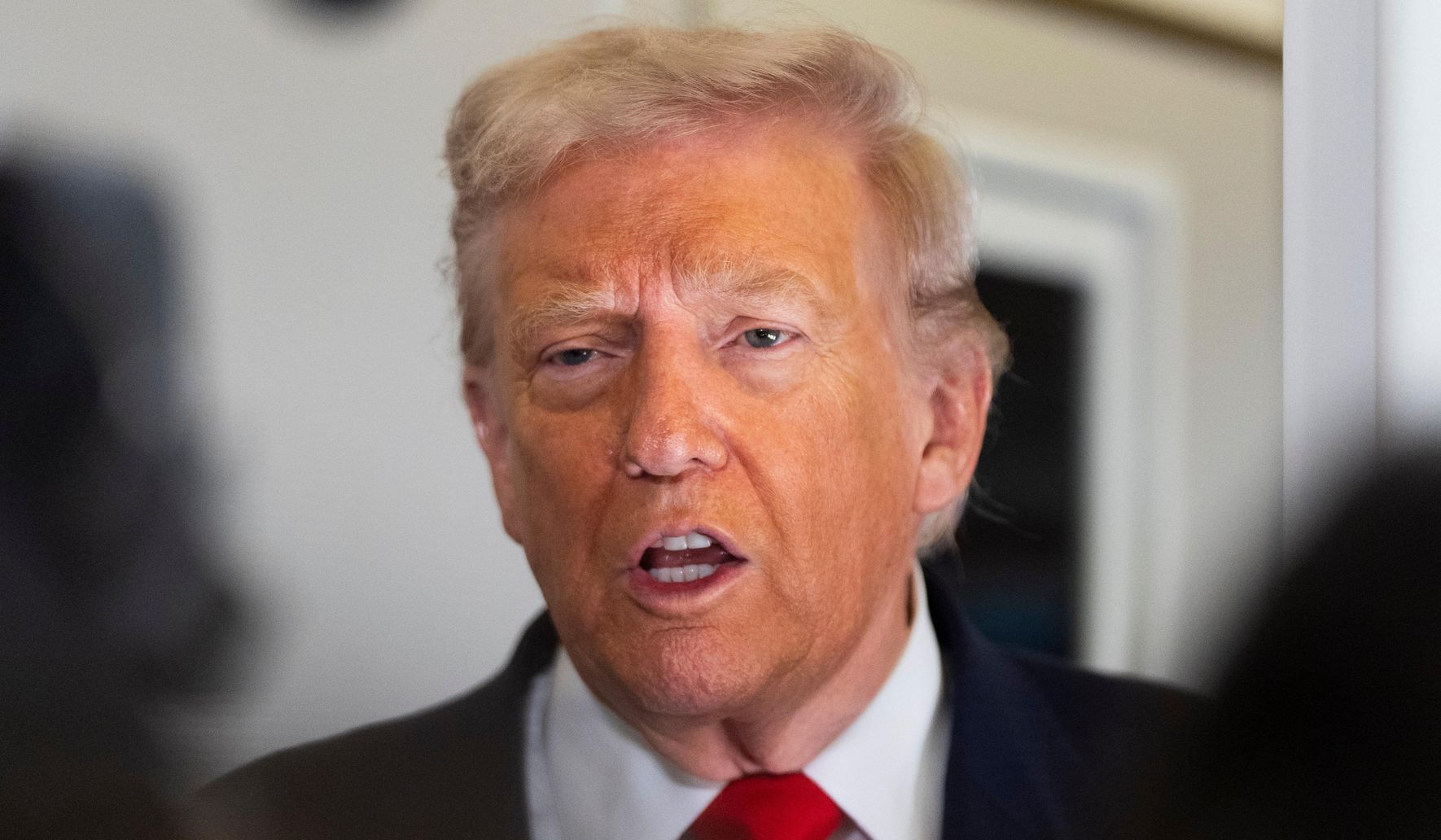
President Donald Trump says Chinese leader Xi Jinping assured him that Beijing would not move toward unifying Taiwan with the mainland, a claim that has reshaped a familiar security debate. This article looks at that claim, the strategic implications for U.S. policy, and the mix of skepticism and political advantage that follows from it. I present the situation clearly, examine the risks, outline practical responses, and explain why firmness matters.
Trump has stated that Xi gave him an assurance Beijing would take no action toward its long-stated goal of unifying Taiwan with mainland China while the Re. That fragment has circulated in media and on the trail, and it highlights how leaders trade private assurances and public posturing. From a Republican perspective, any pledge from a strategic competitor is useful only if backed by credible deterrence and America’s demonstrated resolve.
Assurances from Beijing are welcome when they reduce the chance of conflict, but they are not a substitute for capability. Strength underwrites diplomacy, and Republicans argue that the best way to keep promises from being broken is to be unmistakably strong. Military readiness, solid alliances, and clear consequence planning make diplomatic assurances stick rather than merely sound good in a photo op.
Beijing’s long-standing objective toward Taiwan is well known, which is why any comment from Xi draws intense scrutiny. The American people should expect leaders to treat such comments as part of broader strategic competition, not as final settlements. Republicans typically favor converting diplomatic words into policy through hard power and economic leverage to ensure commitments are credible.
There is also the trust issue. Authoritarian regimes often use strategic ambiguity; their statements can be tactical tools rather than binding moral contracts. That reality makes it reasonable to remain cautious even after officials report private assurances. The prudent Republican approach is to accept the good news but plan as if the situation might change suddenly.
Practical policy follows from that mix of welcome and wariness. Maintain robust defense support for Taiwan, strengthen regional partnerships, and keep supply chains secure so Taiwan’s economy and military resilience remain intact. Economic and technological sanctions should be on the table as deterrence tools, not only as punishment after the fact.
Congress has a role to play in turning assurance into policy by funding programs that make America and its partners less vulnerable. Republicans will press for stronger defense budgets where needed and more focused export controls on technologies that would shift the balance in the region. A bipartisan posture helps, but when it is missing, the administration must make the strategic case directly to the American people.
Messaging matters too. Publicly reporting assurances without follow-up plans risks creating the impression that words alone are sufficient. The Republican view values clear, straightforward messaging: say what was promised, show how you will enforce it, and act so rivals know lines they cannot cross. That combination preserves peace by making the cost of aggression obvious.
International audiences watch how Washington pairs statements with actions. Allies and partners in the Indo-Pacific need to see consistent policy signals, not conflicting rhetoric. A Republican policy stance emphasizes immediate, measurable steps that back up any diplomatic breakthroughs so partners can rely on U.S. commitment.
Ultimately, the report that Xi gave assurances provides an opening, but not an endpoint. Republicans will judge this claim by two basic metrics: does it lower the risk of conflict, and does it come with mechanisms that harden the assurance into reality. Until those boxes are checked, the sensible course combines cautious acceptance with deliberate preparations to protect U.S. interests and preserve stability in the region.

