

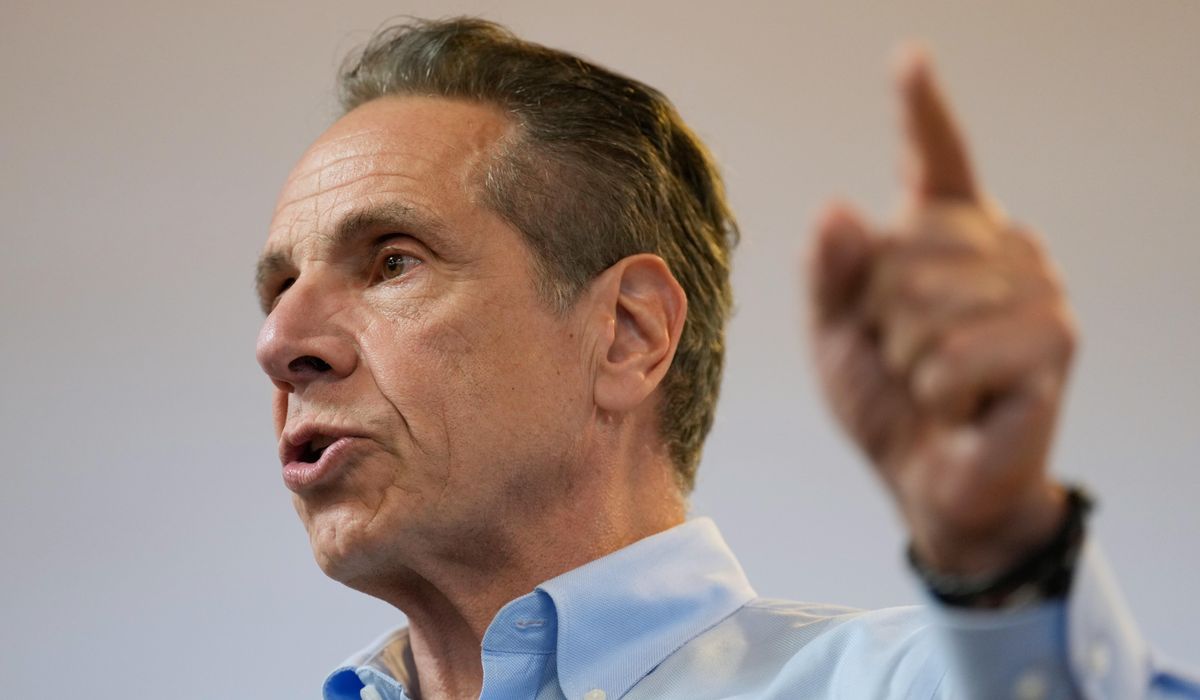
Former New York Governor Andrew Cuomo’s campaign moved quickly to reject a claim made by front-runner Zohran Mamdani that President Trump had endorsed Cuomo. The back-and-forth highlights how endorsements, real or invented, can become fodder in a crowded New York City mayoral race. Both sides are already jockeying for narrative advantage as voters try to separate hype from substance. The exchange is a small but telling example of how political theater and messaging shape races before voters head to the polls.
Zohran Mamdani, described in reports as a front-runner, raised an eyebrow by suggesting the president had backed Cuomo, a former governor seeking the mayor’s office. Cuomo’s campaign promptly pushed back, treating the claim as inaccurate and something they needed to correct. That quick reaction tells you two things about this race: teams are on high alert, and every whisper about endorsements gets amplified. In a city where media attention is fierce, being first to respond matters.
From a Republican vantage point, this whole episode underlines how endorsements are used as weapons, not just signals. If a left-leaning front-runner tries to link a rival to a national, polarizing figure, it can be a tactic to stir controversy and test messaging. But when those claims are shaky, they backfire and make the accuser look reckless. Voters deserve clarity, not headlines spun from thin air.
Cuomo’s return to city politics after serving as governor changes the dynamics for everyone involved. His campaign clearly felt the need to correct Mamdani to avoid any confusion about alliances or appearances. Whether or not the claim had any traction, the response aimed to keep the focus on the campaign’s policies and plans rather than on a manufactured endorsement story. Campaigns often move fast to prevent small stories from ballooning into larger distractions.
Mamdani’s decision to raise the possibility of a presidential nod could be read as a hardball move to unsettle rivals. Front-runners sometimes test the waters to see what sticks and what creates cracks in opponents’ defenses. That said, if those tests come at the expense of accuracy, voters notice. In a city where local concerns are immediate and tangible, political theater only carries so far before people return to questions about housing, public safety, and city services.
Endorsements are often shorthand for political alliances and priorities, but they do not replace a candidate’s record or vision. Republicans watching this will point out that national names and headlines should not eclipse local accountability or commonsense solutions. Messaging matters, and when claims are thrown around without proof, it erodes trust in the process and wastes time that could be spent outlining real proposals for New Yorkers.
The media environment compounds the issue. A single claim can travel quickly across platforms and become a narrative even if officials immediately deny it. Campaigns on all sides feel pressure to respond instantly, which can create a cycle of reaction rather than deliberation. That dynamic benefits organizers who are quick and ruthless with messaging, but it also encourages a climate where accuracy can take a back seat to momentum.
What to watch next is straightforward. Pay attention to how both campaigns prioritize substance after this skirmish. Will Cuomo’s camp double down on clarifying positions and presenting a straightforward agenda for the city? Will Mamdani focus on policy distinctions or keep testing opponents with provocative claims? The answer will tell voters more than any stray endorsement rumor.

