

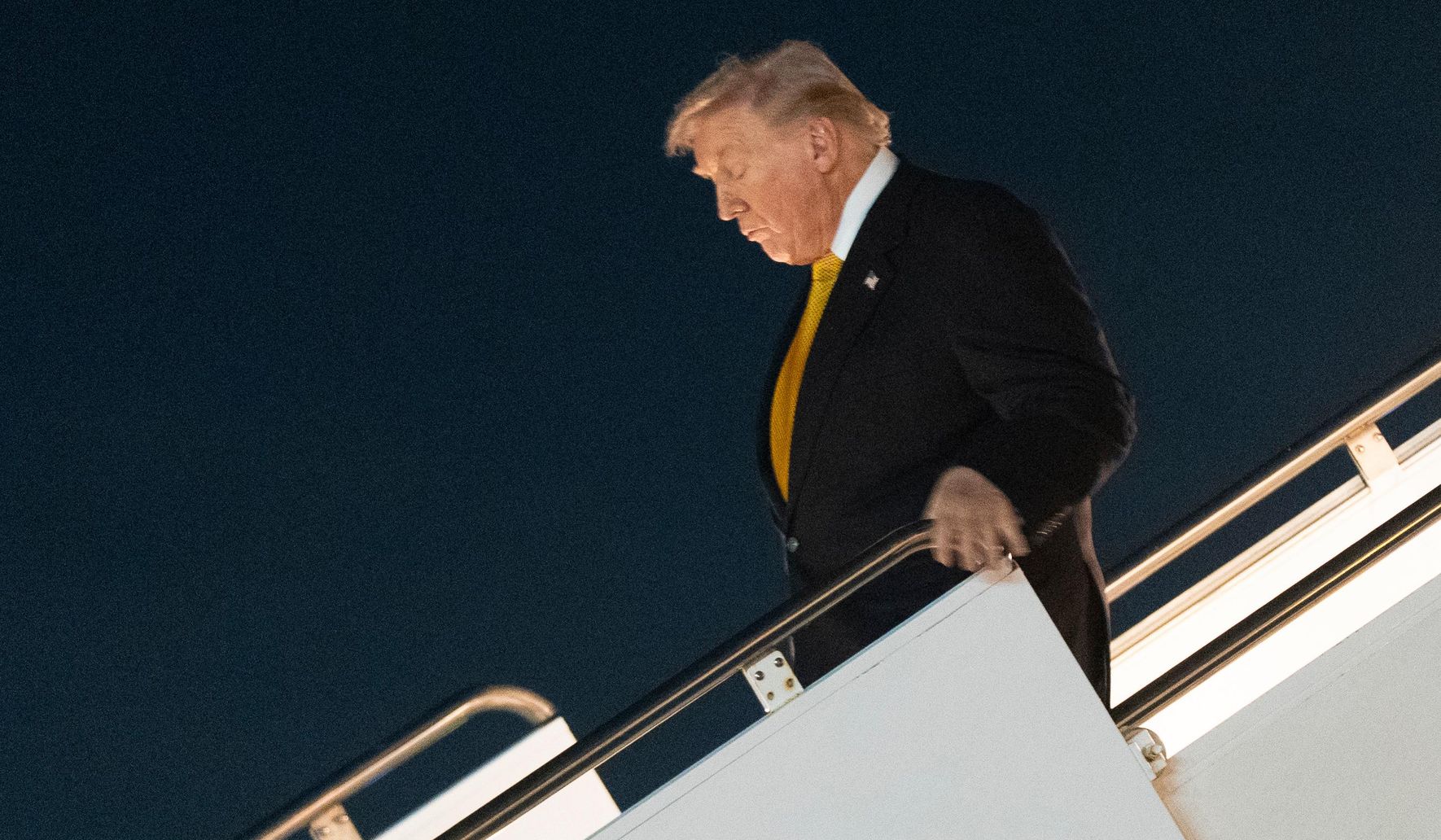
Extra security measures were in place hours before the Washington Commanders’ game against the Detroit Lions on Sunday, when President Donald Trump planned to become the first sitting president
Extra security measures were in place hours before the Washington Commanders’ game against the Detroit Lions on Sunday, when President Donald Trump planned to become the first sitting president to be at a high-profile sporting event in person. Fans arriving at the stadium noticed a heavier presence of uniformed officers, barricades, and checkpoint lanes that moved lines more slowly than usual. The atmosphere felt different from a standard Sunday afternoon matchup, with public safety clearly prioritized above everything else.
Local law enforcement worked alongside federal partners to manage the crowd and traffic without turning the game into an overbearing federal operation. Officers directed cars away from chokepoints and kept pedestrian routes open, which helped maintain a flow despite the added security layers. That coordination kept the event functioning while allowing people to get to their seats and enjoy the game.
Secret Service protocol always changes when a president is traveling, and this was no exception, though the added measures did not stop the stadium from filling up. Concessions and team vendors continued to operate, and many fans said they were grateful for the visible efforts to keep everyone safe. For supporters of the president, this visit felt like a moment to show normalcy and national confidence rather than fear.
Even with the tighter checks, tailgates persisted and the usual pageantry of football weekend carried on for many fans. Some attendees welcomed the security and said it reassured them, while others grumbled about longer waits and limited parking options. That mix of reactions is typical when high-profile figures attend public events, and the stadium staff worked to smooth things over wherever they could.
From a Republican viewpoint, a sitting president attending a sporting event is an affirmation that public life can go on while security concerns are managed responsibly. It signals that leadership is present in the public square and willing to share ordinary American experiences with voters. Supporters said the optics of a normal game day with the president in attendance reinforced a sense of resilience and calm.
Political critics predictably raised questions about access and whether the presence of a president changes the fairness of the fan experience. Those concerns were visible in social media threads and in comments from a handful of outspoken attendees. Still, the majority at the stadium focused on the matchup, the players on the field, and the camaraderie that comes with watching a team play.
Logistics teams had to account for everything from secure arrival routes to a clear plan for any medical or crowd incidents. Stadium officials kept emergency lanes open and posted additional signage to guide people around temporary restrictions. When big events happen, those planning details often go unnoticed—until something goes wrong—so the quiet efficiency of the setup spoke to solid preparation.
Business owners near the venue noticed mixed effects: some reported brisk sales from fans who arrived early, while others said the security-induced slowdowns delayed service. Still, the general mood for many downtown establishments was upbeat, and employees reported that visitors were polite and understanding about the unusual day. Local commerce benefited from the influx, even if the schedule needed a few adjustments.
For the teams, the focus remained on football despite the extra buzz outside the stadium. Coaches and players usually try to tune out distractions and concentrate on preparation, film study, and game plan execution. Inside the locker rooms, the usual routines dominated the conversation, though a few players acknowledged the added excitement of having a president in attendance.
Whether you saw the security as necessary or inconvenient, the event underscored how high-profile appearances change the tenor of public gatherings. Fans left with stories about the game, the plays, and the unexpected logistical twists that come with presidential visits. In the end, the measures in place made sure the day moved forward without major incident, letting the sport itself be the main event.

