

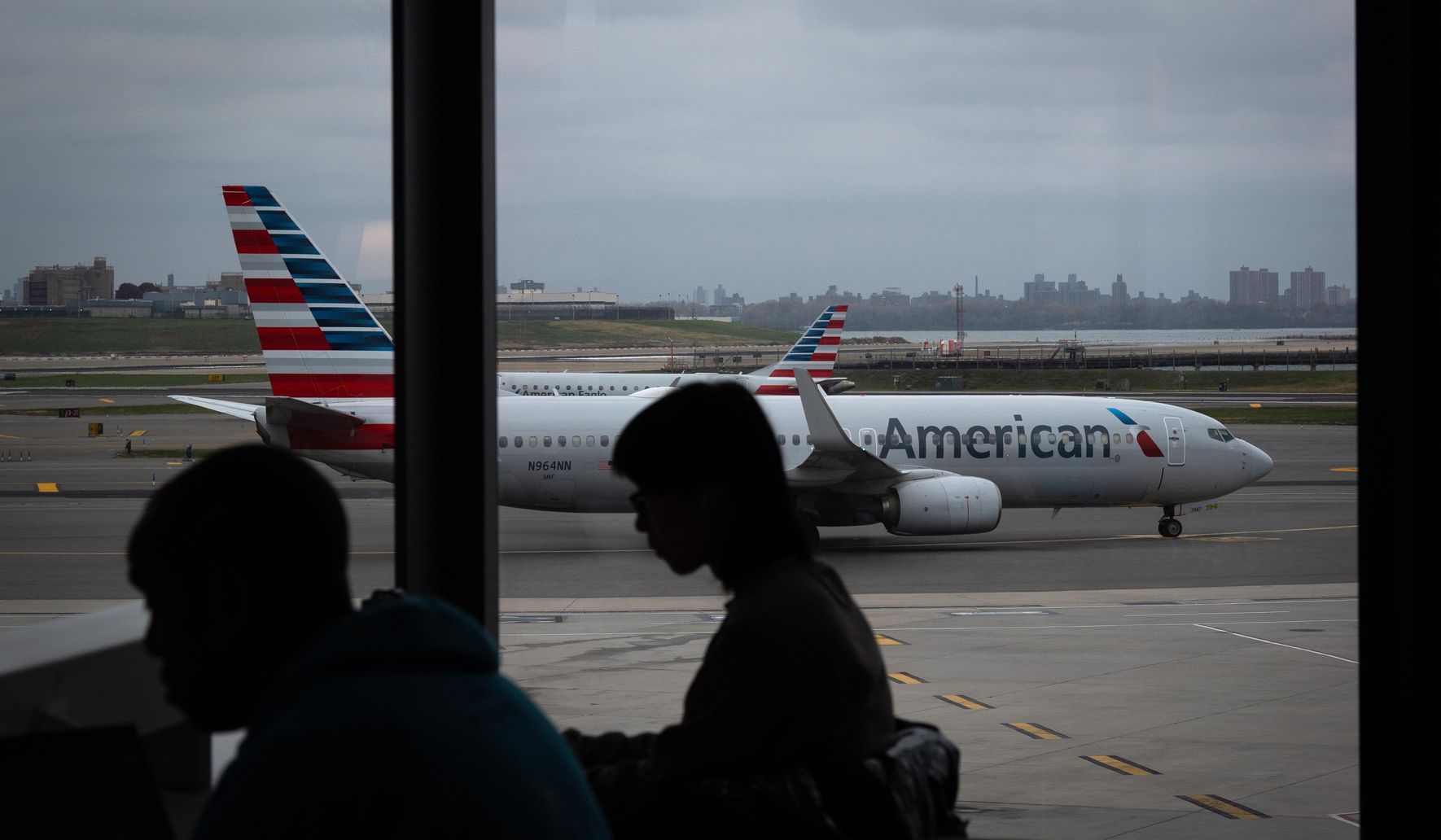
The federal shutdown is already disrupting travel and is poised to make airport delays and staffing problems worse this week if lawmakers do not reopen the government.
Travelers are feeling the pinch at airports nationwide as a partial government closure chips away at services people depend on. Lines get longer, processing slows, and uncertainty grows when funding stalls. For many Americans this week, what should be a routine trip is turning into a gamble on whether agencies can keep up.
TSA and air traffic operations operate under strained conditions when budgets are in limbo, and that strain shows up as longer waits and tighter resources. Staff who keep flights moving may face hiring freezes, delayed pay, or added overtime that wears on morale and performance. When critical functions wobble, the visible victims are passengers who miss connections and face sudden cancellations.
Airlines watch these developments closely because airport gridlock translates directly into flight disruptions and cascading schedules. Ground handling, baggage processing, and gate assignments all rely on steady support from federal and local systems, and any breakdown ripples through daily operations. Passengers end up paying the price in stress and missed plans while carriers scramble to rebalance flights and crews.
From a Republican perspective, the obvious remedy is to reopen the government and restore normal operations quickly so essential services are not undermined. Keeping the country open is not a partisan favor, it is a basic duty of governance that protects public safety and the economy. Short-term brinkmanship should not be allowed to put travelers and transportation workers in the crossfire.
Congress needs to prioritize keeping airports and air traffic services fully funded so safety and timetables hold steady for Americans on the go. Delays stemming from budget stoppages can erode confidence in travel infrastructure and cost both commuters and businesses valuable time. Reinstating full operations also relieves pressure on public servants who are forced to work under uncertain conditions.
There are practical steps to ease the immediate fallout even while talks continue, such as ensuring pay continuity for critical staff and exempting safety functions from the worst impacts of any lapse. Those measures limit the damage and keep the nation moving while leaders negotiate. But these stopgaps are not a substitute for decisive action to restore normal funding and accountability.
Families traveling for work, school, or rest should not have to plan around political standoffs that threaten their itineraries. Airports are places where delays are more than an inconvenience; they disrupt livelihoods and ripple through supply chains and tourism economies. Restoring certainty at terminals and control towers is therefore a matter of public interest and practical governance.
Lawmakers who care about service and security should act fast to reopen the government and stop the avoidable disruption to air travel. The choice is simple: let vital systems keep functioning, or let partisan gridlock drag down everyday life for millions of Americans. Doing the right thing means restoring operations and moving forward on solutions that protect travelers and workers alike.

