

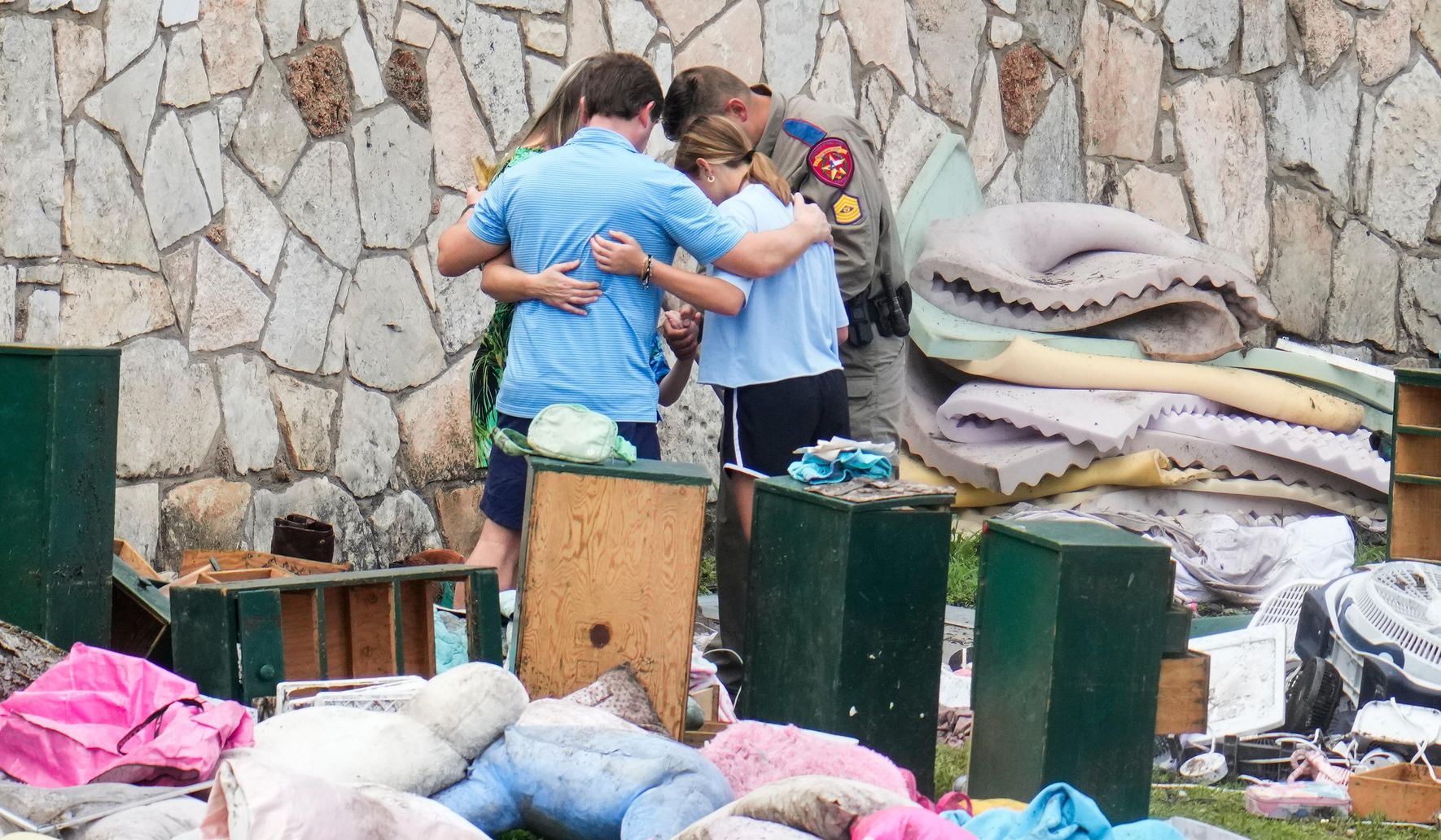
The Camp Mystic tragedy in Texas left 25 girls and two teenage counselors dead after catastrophic flooding on July 4, and operators are accused of failing to take necessary steps to protect the campers.
The scene at Camp Mystic turned deadly when flash flooding struck on July 4, taking the lives of 25 girls and two teenage counselors. Families, first responders, and local leaders have been left grappling with the scale of loss and the speed at which a planned outing became a disaster. Emergency crews described conditions as chaotic, with rescue and recovery operations stretched by rising water and difficult terrain.
Investigators say the camp’s operators did not take needed precautions before the storm hit, and allegations focus on decisions about where campers were housed and how warnings were handled. Camp administrators are under scrutiny for failing to move people out of harm’s way or to activate evacuation plans in time. Those details are central to ongoing inquiries into whether negligence or misjudgment contributed to the fatalities.
Weather records show heavy rain and rapidly rising river and creek levels that afternoon, but questions remain about the predictability of the flood and what the staff knew. In situations like this, the timing between forecast updates and action is crucial, and families want answers about when leaders at the site were alerted. Officials are examining logs, communication records, and staff training to piece together a timeline of events.
Survivors recount harrowing scenes of rushing water and frantic attempts to find higher ground while carrying children and gear. Some describe warnings that arrived too late or confusion over who was in charge of moving people to safety. Those personal accounts are being collected by investigators and will likely play a major role in any legal or administrative findings.
Local emergency services responded quickly once calls began coming in, but crews faced obstacles getting to every location in time. Swift-water rescues are inherently risky and depend on precise coordination, and responders had to prioritize life-threatening situations as conditions worsened. Officials say that despite heroic efforts, the speed and force of the flood overwhelmed standard rescue options in some areas.
In the days after the tragedy, state and county authorities opened formal probes into the camp’s licensing, safety protocols, and prior incident history. Regulators will be looking for gaps in training, emergency planning, and oversight that could have contributed to the failure to protect attendees. There is growing public pressure for a clear accounting of what standards were in place and whether they were followed.
Families of the victims are demanding accountability and answers about how the event unfolded and why preventative actions were not taken. Lawyers and advocacy groups have begun reviewing potential civil claims, and the possibility of lawsuits is likely as relatives seek both compensation and changes to prevent future tragedies. For many parents, the immediate need is understanding how a routine holiday camp trip led to such catastrophic loss.
Community leaders and camp safety experts are already pushing for reforms that could include stronger weather monitoring, mandatory evacuation protocols, and clearer lines of authority for emergency decision-making. Small adjustments in policy and training can make a big difference when time is measured in minutes and water levels change rapidly. Those recommendations are expected to be part of the conversation as officials translate lessons learned into new rules.
Memorials and vigils have brought people together to mourn, to share memories, and to support grieving families. Local churches, schools, and civic organizations have organized services and counseling to help survivors cope with trauma and loss. The community response has emphasized solidarity, but it also underscores a shared demand for systemic changes to protect children in outdoor programs.
As investigations continue, officials say they will release findings when available and pursue any legal remedies that arise from the evidence. Meanwhile, the focus for many remains on the families who lost loved ones and on the survivors trying to recover from a day that was supposed to be a celebration. The tragedy at Camp Mystic has sparked a painful conversation about safety, responsibility, and how communities prepare for sudden, life-threatening floods.

