

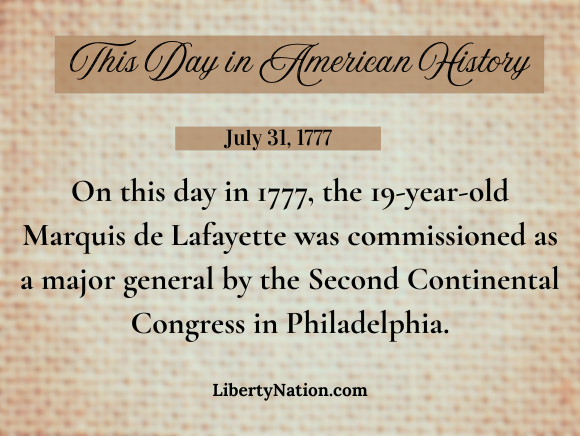
A snapshot of events, dates, and artifacts tied to the American story, delivered with context and a few visual nods to the past.
“A look back at what happened on this day.” That line frames a daily habit of checking history for perspective, surprises, and reminders. History shows up as small decisions, big discoveries, and public moments that ripple over decades. This piece collects that feeling and points to threads worth following without getting lost in trivia.
Every date carries patterns: political moves, cultural shifts, and technological firsts that alter how Americans live. Some days are dominated by a single headline-making event; others are a busy collage of births, laws, and local feats. Noticing how those items line up across years helps turn isolated facts into a story you can actually use when talking about the present.
Context matters as much as the event. A battle or bill can only be understood against the background of what came before and what came after. That perspective keeps us from treating history like a sequence of disconnected trophies and instead as a set of choices and consequences that still shape us.
Visuals often anchor memory, which is why a gallery can be useful even when words do the heavy lifting. Use arrows or click dots to navigate • 127 images give a fast visual tour through artifacts, portraits, documents, and places tied to these moments. Images don’t replace analysis, but they make abstract facts feel human and immediate.
Milestones show up in different sizes: local victories that never made the national headlines, and landmark decisions everyone memorizes. Dates like Jul 31, 2026 sit in a long calendar of such marks, each one a cue to tell a story about courage, error, invention, or compromise. Treat those entries like keys into broader conversations, not endpoints.
There are also structured ways to dig deeper, like curated series and essay collections that gather thinking across time. “Free with the Daily Briefing” and the count of “85 Essays” reflect one approach: short, focused reads that build into a wider understanding. Those collections help when you want to move beyond quick facts and into patterns you can track.
Public culture plays its part, too. The banner name “Liberty Nation TV” hints at how video commentary and analysis now sit alongside text, offering another entry point for viewers and listeners. Different formats reach different people, and mixing them gives history a better chance of landing. Video isn’t a substitute for primary sources, but it can spark the curiosity that leads back to the originals.
Calls to action still appear around history pages, and they wear familiar phrasing like “Join Free & Read” or “Spread the truth – share this article.” Those lines tell you something about how history is packaged and distributed today: short prompts, easy access, and a nudge to amplify. Keep the packaging in mind, but judge the content on its sources and reasoning.
Finally, remember that dates are invitations, not exams. A single day can open dozens of avenues: politics, science, culture, law, and personal stories. Use them to ask sharper questions and to test simple narratives against the messy archive of real events. With a bit of curiosity and the right context, any day in the calendar can yield something that matters.

