

The House moved toward a funding vote to reopen the government just after the Supreme Court stepped in to pause a lower-court order affecting SNAP payments, a dispute that turns on the use of Section 32 Child Nutrition funds and sharp arguments from both the courts and the solicitor general.
The House of Representatives prepared to vote on a stopgap funding bill intended to reopen the federal government, an action that landed amid a legal fight over food assistance payments. That development came one day after the Supreme Court handed the Trump administration a win in its handling of the Supplemental Nutrition Assistance Program (SNAP). The timing amplified questions about how the executive branch should manage emergency payments when appropriations are in flux.
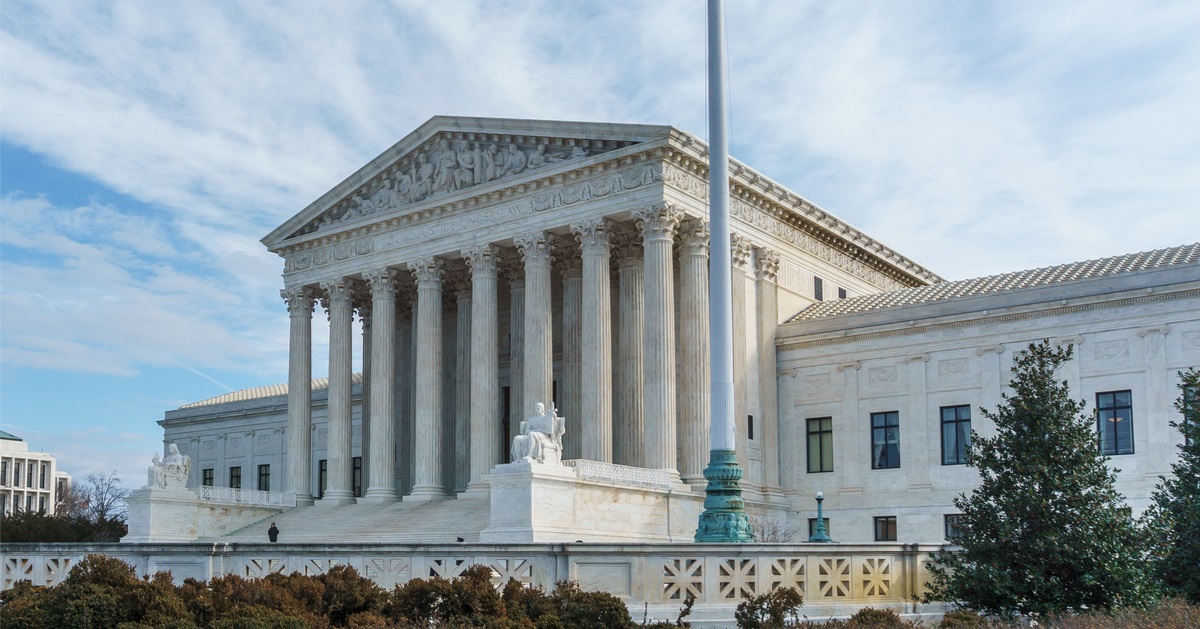
The Supreme Court moved to freeze an earlier order issued by U.S. District Judge John McConnell, a decision that was not unanimous. Justice Ketanji Brown Jackson noted she would have denied the White House’s request, highlighting that the high court’s decision carried some disagreement.
Last weekend, a federal judge ordered that the White House draw from the Section 32 Child Nutrition Fund to keep SNAP solvent through November, after benefits briefly lapsed. “Last weekend, SNAP benefits lapsed for the first time in our nation’s history, this is a problem that could have and should have been avoided,” McConnell wrote, stressing the seriousness of the lapse. His order forced a public confrontation over the practical limits of available accounts and the role of the courts in enforcing benefit payments.
McConnell then spelled out relief and a clear deadline in his enforcement order. “Therefore, the court grants the plaintiff’s motion to enforce and consistent with its prior orders, orders the administration to make the full snap payment to the states by tomorrow, Friday, November 7, utilizing available Section 32 funds in combination with the contingency funds,” he wrote, laying down a path for immediate payments. That directive underscored the urgency felt by courts and states where families rely on timely benefits.
The Department of Justice pushed back through lawyer Tyler Becker, arguing that Section 32 money was not meant for SNAP and expressing concern Congress might not refill the account after it was tapped. Becker suggested using Section 32 could create a cash-flow problem that would be difficult to remedy if appropriations did not follow. The judge rejected that logic as insufficient to block the relief states sought, emphasizing practical continuity for recipients.
The judge also highlighted how Congress has historically funded child nutrition and how accounting mechanisms can be used to reconcile short-term moves. “Considering that, one, Congress with bipartisan support, has always funded the child nutrition program, and two, once a new appropriation bill is passed, ‘amounts appropriated for SNAP could be transferred to the child nutrition program account to effectively reimburse her for the amounts that account covered,'” he declared. That line tied current emergency steps to past congressional practice and potential reimbursements.
At the Supreme Court level, Solicitor General D. John Sauer warned of a different risk: states racing to claim the last of available funds. He argued states were “trying to seize what they could of the agency’s finite set of remaining funds, before any appeal could even be filed, and to the detriment of other States’ allotments.” He added a blunt financing point: “Once those billions are out the door, there is no ready mechanism for the government to recover those funds,” stressing the irreversible nature of disbursed money.
The episode exposes competing priorities: courts focused on preventing harm to families who depend on benefits, and executive lawyers warning of budgetary and administrative consequences if emergency pots are tapped without clear congressional backing. From a conservative perspective, the right outcome protects vulnerable Americans while also insisting that the executive act transparently and respect appropriation rules. Lawmakers now face a choice about how to resolve payment continuity without normal appropriations in place.
The House vote on the funding measure will test whether Congress moves quickly to stabilize operations and payments or allows judicial and executive tussles to set the pace. Whatever the immediate outcome, the dispute over Section 32 funds and judicial enforcement will shape how future shortfalls are handled and how far agencies can go when appropriations are delayed. Policymakers on both sides will be watching how courts, the administration, and the states balance urgent human needs with long-term fiscal discipline.

