

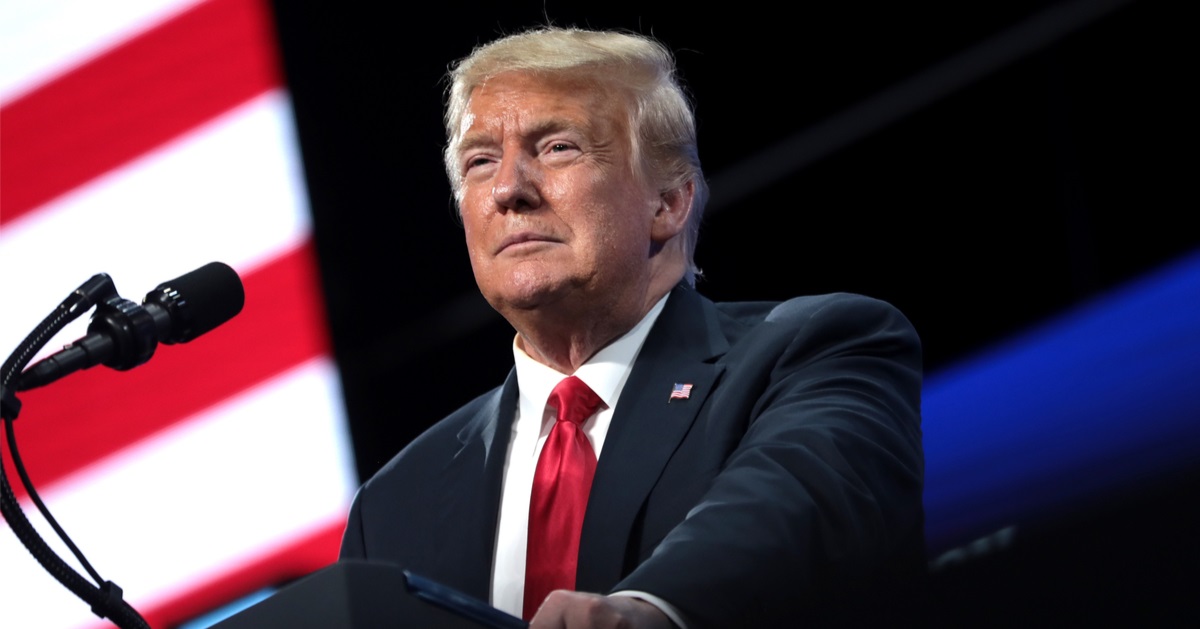
President Trump underwent routine advanced imaging at Walter Reed, the White House says his health is “exceptional,” his physician detailed the exam as part of preventative maintenance, and the president has previously described the MRI as “perfect” while a July diagnosis of chronic venous insufficiency was called “benign.”
The MRI at Walter Reed last month grabbed attention and prompted questions about the president’s condition, but the White House shot that down this week. Press secretary Karoline Leavitt told reporters there is no cause for concern and framed the results as part of a routine health review. Her message was straightforward: medical experts reviewed the scans and stand behind the findings.
Leavitt relayed the administration’s line directly and the quoted passages from the memo were read aloud to the press. “As stated in the memo provided on October 10th, President Trump received advanced imaging at Walter Reed Medical Center as part of his routine physical examination,” she said, and she did not shy from the follow-up: “The full results were reviewed by attending radiologists and consultants, and all agreed that President Trump remains in exceptional physical health.” These were not offhand remarks; they echoed what the White House presented as a coordinated medical assessment.
She also laid out the public-facing schedule around the update and tied the health message to visible events. “I know all of you will see with your own eyes later this evening when he opens up his dinner to the press, and perhaps you will see him when he signs the bill to reopen the federal government. So stay tuned on plans for that,” Leavitt added, signaling that the administration expects the president to be seen and judged on his public appearance. That kind of direct invitation to the press reflects the administration’s confidence in the report and in the president’s ability to perform official duties.
The memo behind the statements came from Navy Capt. Sean P. Barbabella, who serves as the president’s personal physician and authored the document that set out the clinical rationale. The document explained that the MRI was part of an ongoing health maintenance plan and not an emergency investigation. It emphasized routine preventative steps rather than any acute crisis, framing the imaging as one piece of a broader set of assessments.
The memo spelled out the components of that plan in precise language, using the phrase the White House highlighted to stress comprehensiveness: “advanced imaging, laboratory testing and preventative health assessments conducted by a multidisciplinary team of specialists.” That quote underlines the point the administration wanted to make — this was a methodical, multidisciplinary checkup rather than a targeted response to a new ailment.
Barbabella’s summary of the results was equally direct and categorical in tone, and the administration leaned on his judgment. He wrote that the president “remains in exceptional health, exhibiting strong cardiovascular, pulmonary, neurological, and physical performance,” which amounted to a clear professional endorsement. For supporters and staff, that statement functions as the medical anchor for the White House narrative.
The president himself weighed in while aboard Air Force One, conveying confidence about the imaging and repeating the central talking point in plain terms. “I got an MRI, it was perfect,” he told reporters, and he expanded on that reassurance with a fuller statement: “I gave you the full results. We had an MRI, and the machine, you know, the whole thing, and it was perfect,” leaving little room for ambiguity about how he views the outcome. When a commander in chief speaks like that, it’s meant to close the loop on speculation and move attention back to governing.
This episode did recall earlier health news from July, when the president was diagnosed with chronic venous insufficiency after noticing some swelling in his legs. The team reported that the condition was “benign” and that the clinical workup found no evidence of deep vein thrombosis or arterial disease. That earlier diagnosis, presented as non-threatening, feeds into the current narrative that the president’s medical matters have been assessed and deemed manageable by his medical team.
The back-and-forth between the press, medical staff, and the president himself reflects how health updates for a sitting president are handled under scrutiny. Officials offered a routine explanation and a physician’s memo, the president reiterated the results in plain language, and the public will have opportunities to watch him carry out public duties that test stamina. For Republicans watching, the emphasis from Leavitt and Barbabella on routine care and strong exam results reads as the closure many sought on the matter, even as coverage continues to poke and prod for more details.

