

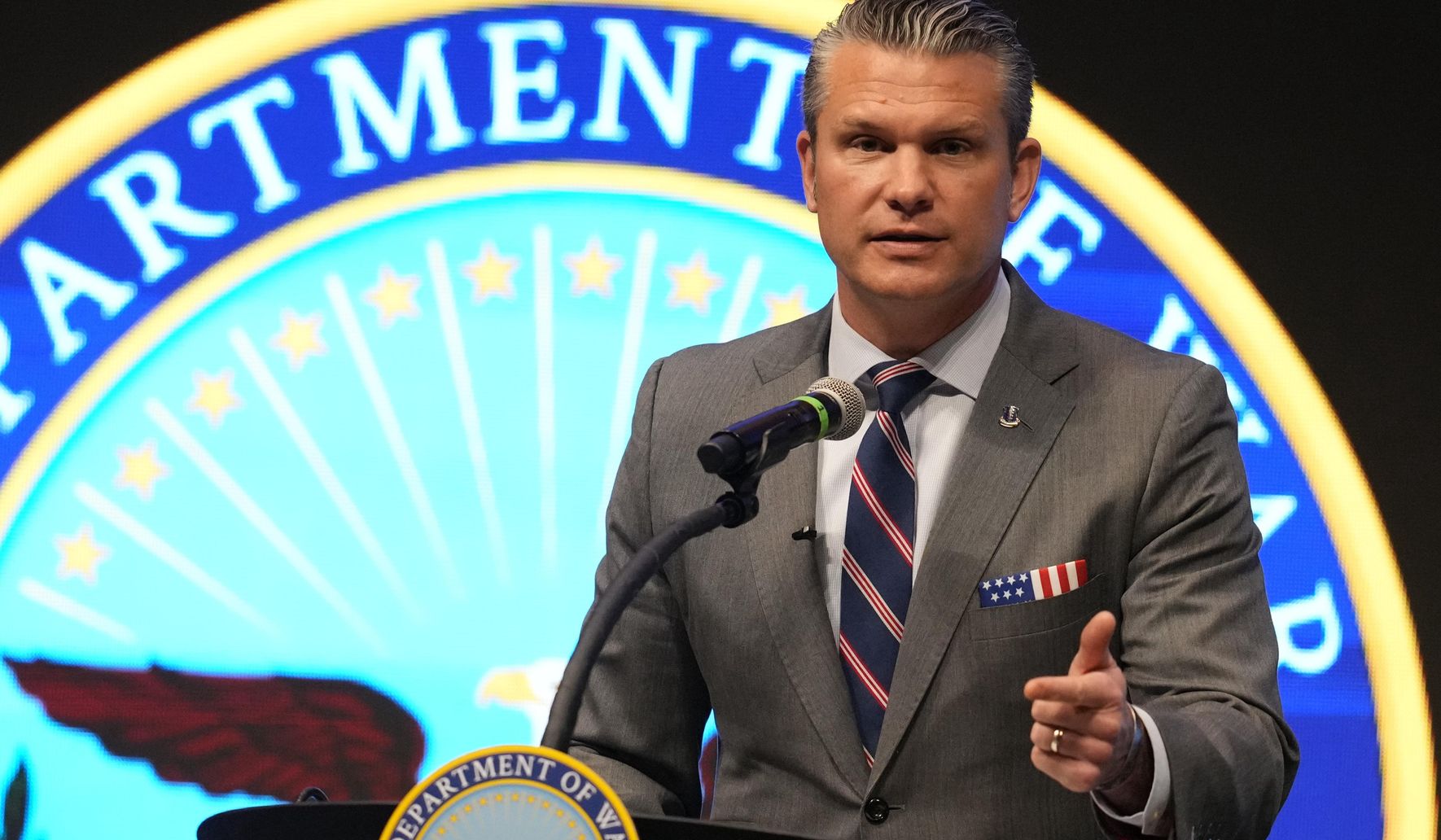
Defense Secretary Pete Hegseth has pushed a clear, forceful argument that the United States has a duty to protect Christians who face violent persecution abroad, stressing that religious freedom and national security are linked for American policy makers.
Defense Secretary Pete Hegseth said Friday that the United States must defend persecuted Christians in Nigeria and other parts of the world facing harsh treatment for their beliefs. That line sums up a broader Republican perspective: religious liberty is not a private matter, it is a front-line concern that often overlaps with regional stability and U.S. interests. When communities are singled out for their faith, the ripple effects hit migration, economic resilience, and counterterrorism efforts. Hegseth frames the issue as one where moral clarity meets strategic necessity.
In practical terms, persecuted religious minorities often live where governance is weak and extremist violence fills vacuums, so the problem reads like a security brief as much as a human rights report. Republican policymakers tend to view defense tools and diplomatic pressure as complementary, not mutually exclusive, meaning the Pentagon and the State Department both have roles to play. That approach pushes beyond symbolic condemnations toward concrete support for vulnerable communities and local partners. Hegseth’s remarks signal a willingness to use statecraft, aid, and selective pressure where it can protect lives and push back on aggression.
Nigeria is one of the most cited examples because attacks on Christians have come from various armed groups across multiple states, creating persistent instability and displacement. The situation shows how identity-based targeting can deepen ethnic and religious fractures and undermine broader governance. From a Republican standpoint, protecting these communities is part of a consistent defense posture that values order and the rule of law. It is also a test of whether U.S. foreign policy will stand by its professed principles when they conflict with local power dynamics and brutality.
Critics often argue that the United States should avoid entangling itself in foreign religious disputes, but the counterargument is straightforward: when persecution fuels conflict, it becomes a security problem that can affect American interests. Republicans inclined to support Hegseth’s view point to the lessons of unchecked insurgencies and state collapse, where failing to protect minorities contributes to ungoverned spaces used by terrorists and smugglers. The policy conversation then moves from abstract moralizing to tangible choices about training, intelligence-sharing, and targeted sanctions. Those tools are typically favored by U.S. defense-minded leaders who want measurable outcomes.
There is also a diplomatic dimension: raising the issue in international fora and coordinating with regional allies helps isolate abusive actors and supports local civil society groups. Republicans emphasize partnerships where local forces take the lead while the United States provides capacity and leverage. That model avoids large-scale occupations and focuses on sustainable, locally supported security that respects sovereignty. Hegseth’s stance reflects a belief that American leadership should be assertive but smart, using leverage where it can change behavior without overcommitting forces.
Humanitarian assistance and support for displaced populations are part of the broader response mix, because protecting people on the ground often requires combining security with aid that stabilizes communities. From a conservative lens, this is not charity for charity’s sake but a pragmatic investment in preventing greater conflict and migration pressures that can affect allies and U.S. borders. Programs that empower religious minorities to rebuild livelihoods and institutions reduce the appeal of extremist alternatives. Hegseth’s public comments bridge moral clarity and policy realism in this space.
At the same time, there are limits to what Washington can do alone, which is why coalition-building and regional engagement are central to any viable strategy. Republicans who back Hegseth’s framing typically push for policies that leverage American influence through partners rather than substitute for local responsibility. That creates a framework where pressure, conditional assistance, and military cooperation work together to protect vulnerable populations while encouraging accountable governance. The idea is to shape incentives so abusive actors lose political and economic support.
Whether in Nigeria or elsewhere, the debate over defending persecuted Christians asks bigger questions about what American power should be used for and how moral commitments intersect with strategic interests. Hegseth’s comment reflects a strand of conservative foreign policy that treats religious freedom as both a value and a security concern worth defending through a mix of measures. The conversation that follows will determine how force, diplomacy, and aid are balanced in practice as policymakers assess risks and opportunities abroad.

