

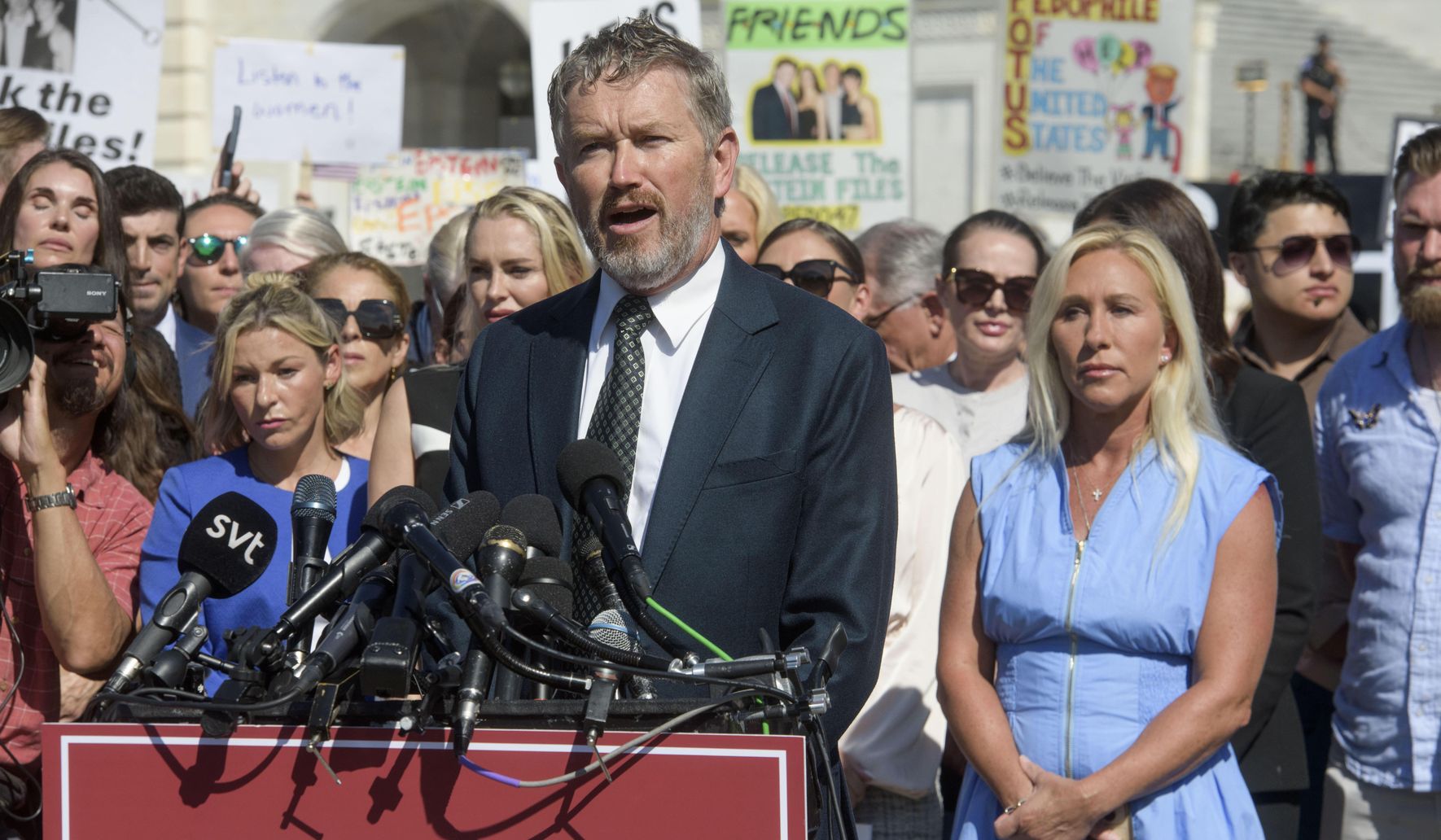
President Trump’s sudden shift to back a House vote to release the Epstein files has drawn skepticism across the political spectrum, with critics questioning timing and motives even as supporters push for transparency.
President Trump surprised many by publicly signaling support for a House vote to make the Jeffrey Epstein files public, a move that immediately became a political lightning rod. That show of support was labeled sudden by observers who expected a steadier course from the former president. Critics on both sides pointed to timing and optics rather than substance, and reactions were immediate and fierce.
From a Republican point of view, pushing for release can be a straightforward call for accountability and sunlight on a case that has long fueled public distrust. Voters want to know what happened and why questions linger for years after Epstein’s death. Advocates argue that transparency helps restore faith in institutions that have been damaged by secrecy and scandal.
Opponents, however, raised legitimate procedural and legal concerns about how a wholesale release of files would work. Some warned that unredacted material could jeopardize ongoing investigations, unfairly smear people who were never charged, or violate privacy protections for victims. Those are practical problems that any release plan has to address without becoming an excuse to keep everything hidden.
Politics is unavoidable here, and that is the core of the skepticism from across the aisle. When a politically charged decision appears suddenly, opponents assume a play for advantage, while supporters see a governing choice aligned with public interest. Republicans inclined to back the vote framed it as forcing transparency on entrenched bureaucracies, not as a partisan stunt.
There is also a legal angle members of Congress must weigh. Documents tied to high-profile probes often carry privilege claims or sealed material, and unpicking those protections takes care and legal scrutiny. Responsible disclosure means redactions where necessary, but it also means resisting blanket secrecy that shields potentially damaging institutional failures.
Public trust is fragile, and moves like this are measured against a long record of inconsistent agency answers and private settlements. Republicans pushing for the vote emphasize that a controlled, timely release under congressional oversight can expose wrongdoing and prevent coverups. The argument is not to publish recklessly, but to insist that secrecy not be the default when so many questions remain unanswered.
For critics skeptical of the timing, the reply is simple: transparency should not be hostage to calendar politics. If the files contain matters of public importance, delaying them for political convenience only fuels cynicism and conspiracy. Supporters insist this is about remedying institutional failure, not scoring campaign points, though opponents will inevitably disagree.
What happens next will test whether rhetoric meets action. Members of the House will debate the scope and format of any release, and the final plan will reveal whether this is a genuine transparency push or a tactical maneuver. Either way, the decision will leave a lasting impression on voters who care less about process and more about whether truth and accountability win out.

