

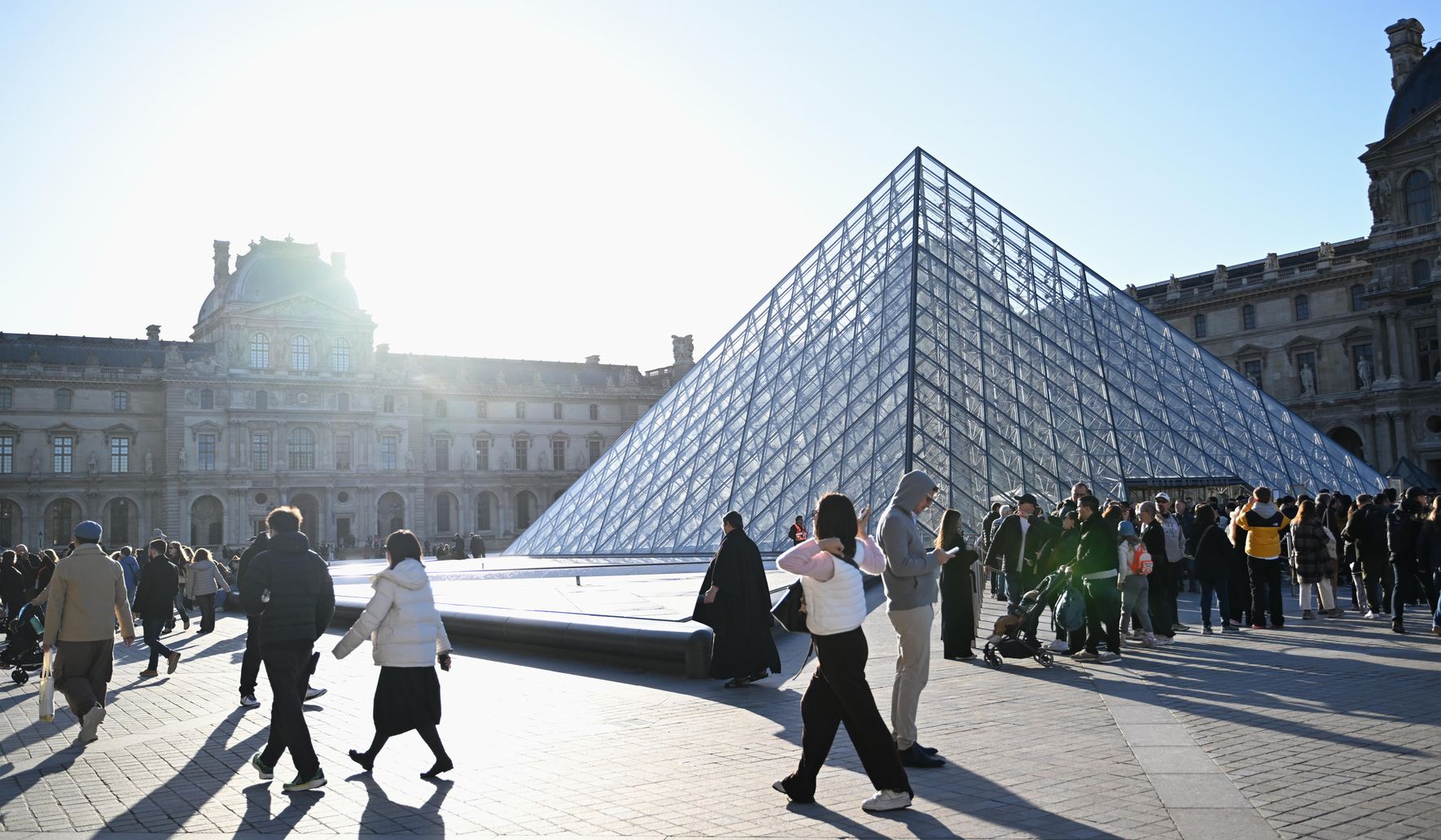
The Louvre Museum in Paris announced a temporary closure of some staff offices and one public gallery because of structural fragility, prompting immediate safety measures and inspections while keeping most visitor spaces open. The move came via a Monday statement and is framed as a precaution to protect staff, visitors, and the collections while engineers assess the building.
The Louvre’s decision shut a portion of internal offices and a single gallery to prevent any risk from structural weaknesses. Museum officials moved quickly to limit access and called in specialists to evaluate the affected zones. This is being presented as a temporary measure until engineers can determine what repairs or reinforcements are needed.
The Louvre is one of the world’s busiest museums, hosting millions of visitors each year and housing irreplaceable works of art. Disruptions inside such a complex historic structure require careful planning, since both old masonry and modern additions can present maintenance challenges. The museum’s statement emphasized safety above all while the technical assessment proceeds.
The exact footprint of the closure was not detailed beyond the mention of “some employees’ offices and one public gallery.” Local staff have been redirected and public wayfinding has been adjusted to steer visitors around the closed areas. The museum appears to be balancing operational continuity with the need to keep people away from potentially fragile parts of the building.
Temporary closures like this usually involve engineers doing load assessments, visual inspections, and possibly short-term shoring where necessary. Conservation teams often coordinate with structural experts to ensure no artworks are at risk during inspections or repairs. The Louvre has a longstanding protocol for protecting both people and collections whenever physical issues arise.
Visitors arriving during the closure may find route changes, closed rooms, or staff on hand to explain alternatives. Ticket holders should expect some inconvenience but, based on the announcement, the core visitor experience will continue in most wings. Museum programming, tours, and exhibitions outside the affected gallery are likely to carry on with adjustments as needed.
For employees, the immediate priority is safe workspace relocation and clear communication about timelines and expectations. Some administrative functions can be moved temporarily or handled remotely while technical teams evaluate the condition. The museum’s top management has framed the shutdown as a short-term disruption aimed at preventing escalation.
The Louvre’s physical footprint combines historic palace structures with modern interventions, and that blend can complicate maintenance work. Older structures may show signs of wear that require targeted reinforcement, while newer sections sometimes need different engineering solutions. Coordination among curators, engineers, and public-safety officials is crucial to keep both people and priceless objects safe.
Public statements from cultural institutions typically stress caution and transparency when structural concerns are found, and the Louvre followed that pattern by announcing the temporary closures promptly. Follow-up updates from the museum will likely outline inspection results and any necessary repair schedules. Until then, officials say they are prioritizing immediate safety measures and assessments.
The closure serves as a reminder that even major cultural landmarks require ongoing upkeep and occasional emergency responses. Preventive actions like the one announced Monday aim to limit risk and avoid longer-term disruptions. For now, the Louvre’s move reflects a clear decision to protect staff, visitors, and the integrity of its collections while experts do their work.

