

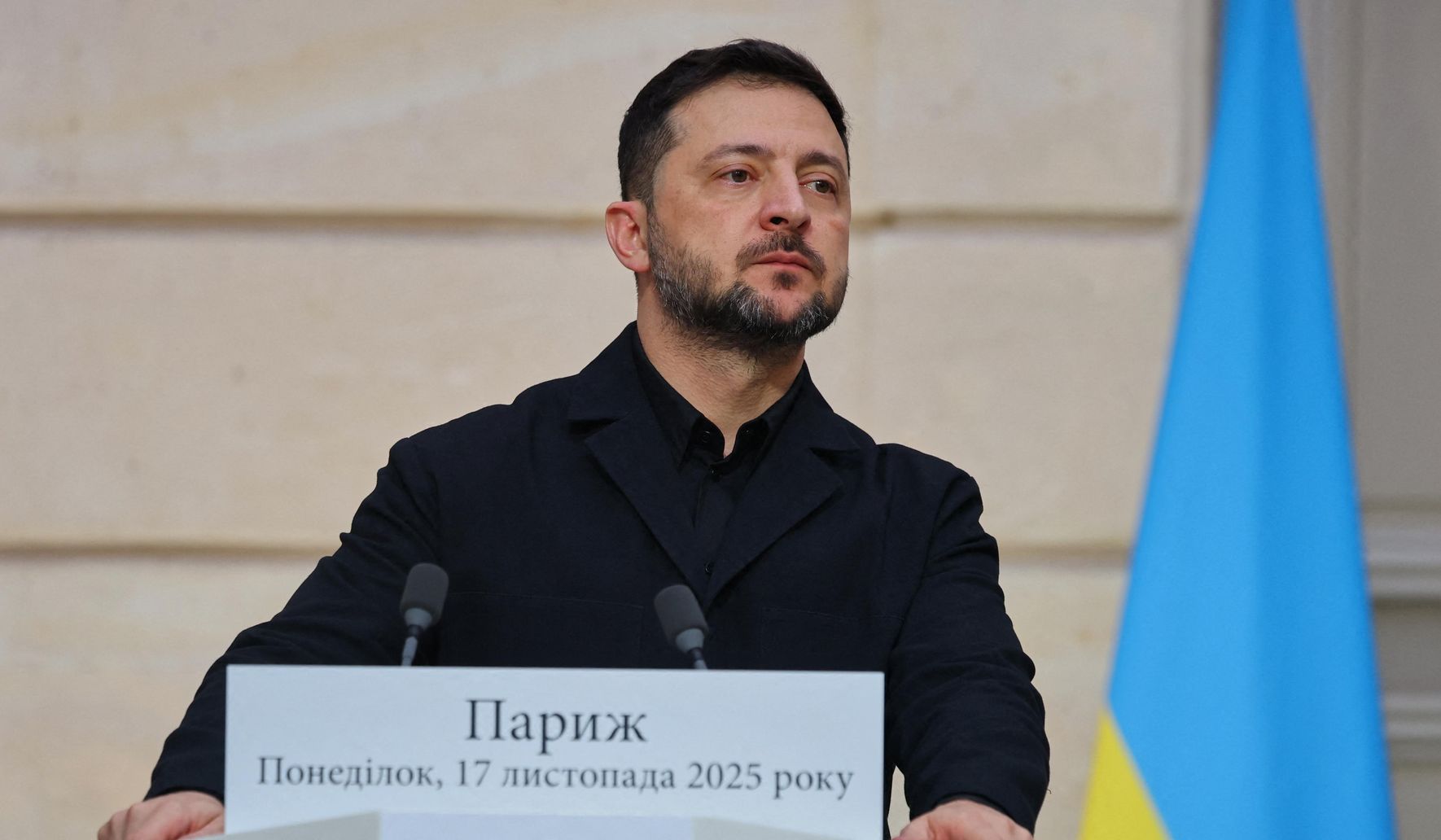
Ukrainian President Vladimir Zelenskyy announced he would travel to Turkey on Wednesday to restart peace negotiations, but Moscow has denied that it is sending any representatives. The trip signals a push for a diplomatic reset even as doubts linger about whether Russia will meaningfully engage.
President Zelenskyy’s decision to head to Turkey is a clear move to reopen lines of dialogue at a time when the battlefield and diplomacy remain tightly linked. Turkey has positioned itself as a practical mediator in conflicts where major powers are unwilling to sit across the table, and its geographic and political role gives it leverage in any talks. For Washington and its allies, the question is whether negotiation can produce enforceable outcomes rather than simply stall to let Russia regroup.
Moscow’s denial that it is sending representatives complicates any optimism about an imminent breakthrough, and that denial deserves skepticism from a policy perspective. Russian strategy has long included ambiguity and deniability when it serves their geopolitical aims, and a public refusal to participate could be a tactic to shape international expectations. Republicans who favor a firm approach will read this as evidence that strong deterrence and continued support for Ukraine remain necessary alongside any diplomatic overture.
Turkey’s involvement carries its own risks and advantages, since Ankara maintains working ties with both Kyiv and Moscow and often acts on its own strategic terms. President Erdogan has cultivated relationships across the region to boost Turkey’s influence, which can help keep talks alive but also create conditions where outcomes reflect Turkish priorities as much as Western security concerns. That creates pressure on U.S. policymakers to make sure negotiations do not trade away long-term deterrence for short-term optics.
From a Republican viewpoint, the core test of any negotiation is enforceability and protection of territorial integrity, not merely the resumption of talking points. Any proposal that fails to address Russia’s occupation of territory, territorial claims, or future ability to threaten neighbors should be treated with caution. Lawmakers who prioritize American strength will insist that diplomacy be backed by credible military and economic measures so promises have teeth.
Practical issues will dominate the agenda if talks actually begin: prisoner exchanges, ceasefire mechanisms, verification procedures, and the sequence for any withdrawal or political concessions. Those technical details are where negotiations often stall or are exploited, so insisting on independent verification and robust monitoring should be nonnegotiable. The United States and its partners must avoid scenarios where ambiguous language allows Russia to claim compliance while continuing coercive operations.
Another factor is timing: domestic politics in Kyiv, Moscow, Ankara, and Western capitals all shape what negotiators can realistically accept. Elections, military campaigns, and sanctions cycles create windows of opportunity and moments when leaders feel pressured to make moves that are popular rather than durable. Republicans watching this will argue against premature deals driven by political convenience rather than security calculations.
Finally, the broader strategic context matters: any progress needs to lock in stronger European defense posture and sustain sanctions until Russia changes behavior in verifiable ways. Diplomacy should aim to restore stability without rewarding aggression, and that requires the United States to stay engaged both diplomatically and materially. If Ankara can convene parties and produce a framework that keeps Russian ambitions in check, it can be useful, but only if backed by muscle and clear consequences for bad faith.

