

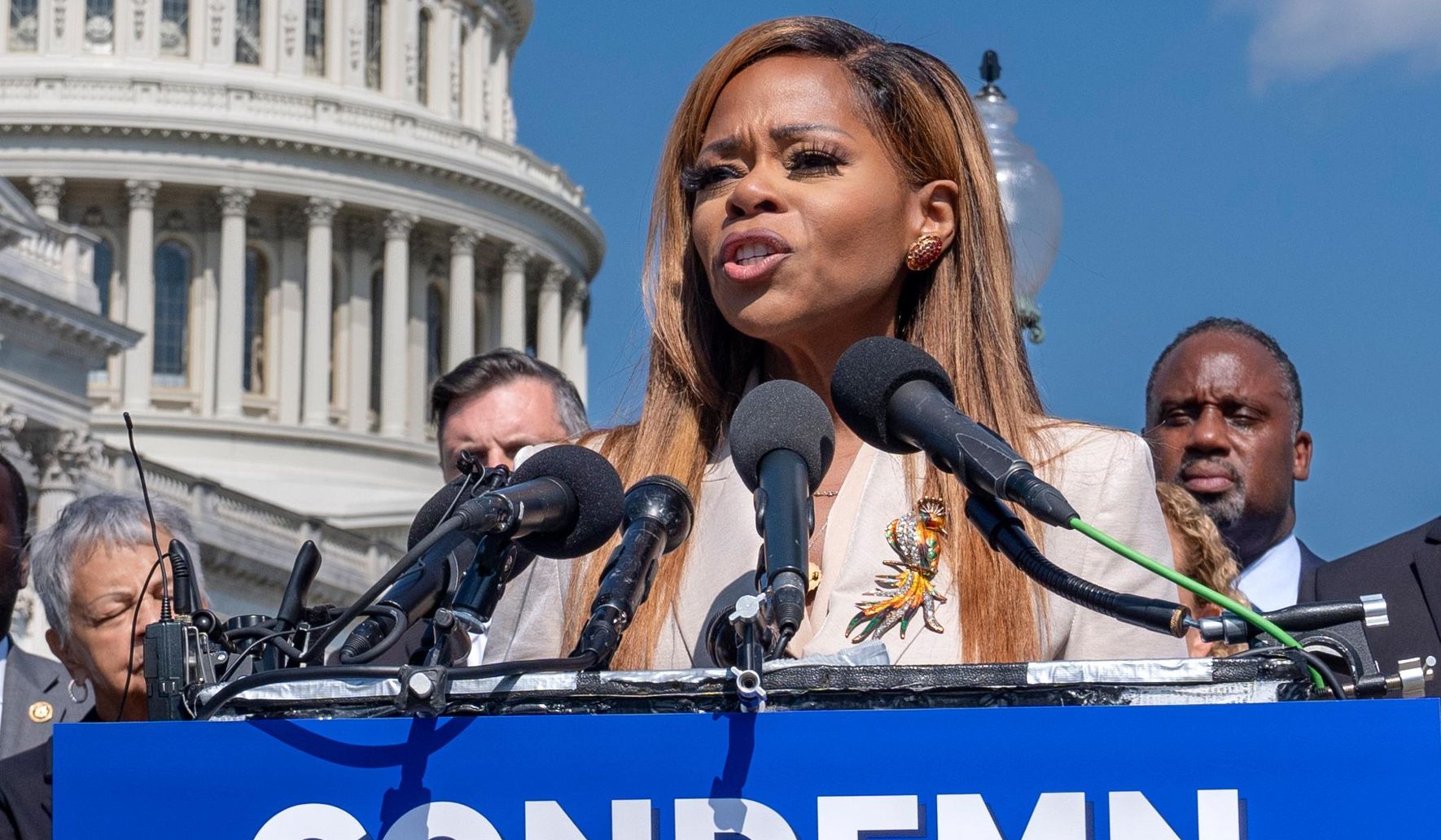
A federal indictment names U.S. Rep. Sheila Cherfilus-McCormick in an alleged scheme that took roughly $5 million in federal disaster relief, with prosecutors saying some of that money was funneled into a 2021 political campaign.
The indictment accuses U.S. Rep. Sheila Cherfilus-McCormick of taking about $5 million intended for disaster recovery and diverting a portion to benefit political efforts during the 2021 campaign cycle. Those allegations, now formalized in court filings, raise tough questions about the misuse of federal emergency aid and the priorities of elected officials. The basic claim is straightforward and stark: funds meant to help people recover were allegedly redirected for political advantage.
On its face, this case is about accountability and stewardship of taxpayer dollars. Federal disaster funds are supposed to rebuild homes, businesses, and critical infrastructure after crises, not bankroll political ambitions. When allegations like these surface, they sting because they undercut public trust in the system that is supposed to help citizens in their worst hours.
The legal process will sort through evidence, intent, and responsibility, but the political consequences are already clear. Constituents deserve transparency and swift answers, and fellow lawmakers have a duty to demand both. Republicans arguing from a limited-government, anti-corruption stance will point to this indictment as proof that oversight must be stronger and penalties stricter when public money is abused.
Beyond the courtroom, there are practical governance concerns. Local communities still need resources to recover from disasters, and bureaucratic delays or diversion of funds means slower rebuilding and greater suffering. The appearance of misallocated funds can also chill future federal assistance if taxpayers and officials grow skeptical about where the money actually goes.
This allegation also reframes how campaigns are financed and how closely elected officials should be monitored when they handle emergency relief. Campaign seasons already strain public confidence, and mixing relief dollars with political activity—if proven—crosses an ethical red line. Republicans will argue that robust safeguards and clearer separation between emergency aid and political operations are nonnegotiable.
Politically, the indictment hands opponents a potent argument about integrity and the proper role of government. Conservatives will likely emphasize fiscal responsibility and the need to root out any abuse of federal programs, using this as an example of why reform is needed. The message will be simple: taxpayers deserve better oversight and firmer consequences when federal funds go missing or are misused.
The stakes here are not only legal but symbolic. When elected officials face allegations of abusing relief funds, the damage goes beyond a single case; it erodes confidence in public institutions. That erosion plays directly into ongoing debates about federal spending, accountability, and the relationship between government aid and political influence.
As the indictment proceeds through the courts, the focus for Republicans will be accountability and corrective action. They will press for cooperation with investigators, full disclosure of records, and meaningful reforms to prevent any repeat of alleged conduct. The public has a right to expect that emergency relief reaches the people who need it, not the coffers of political campaigns.

