

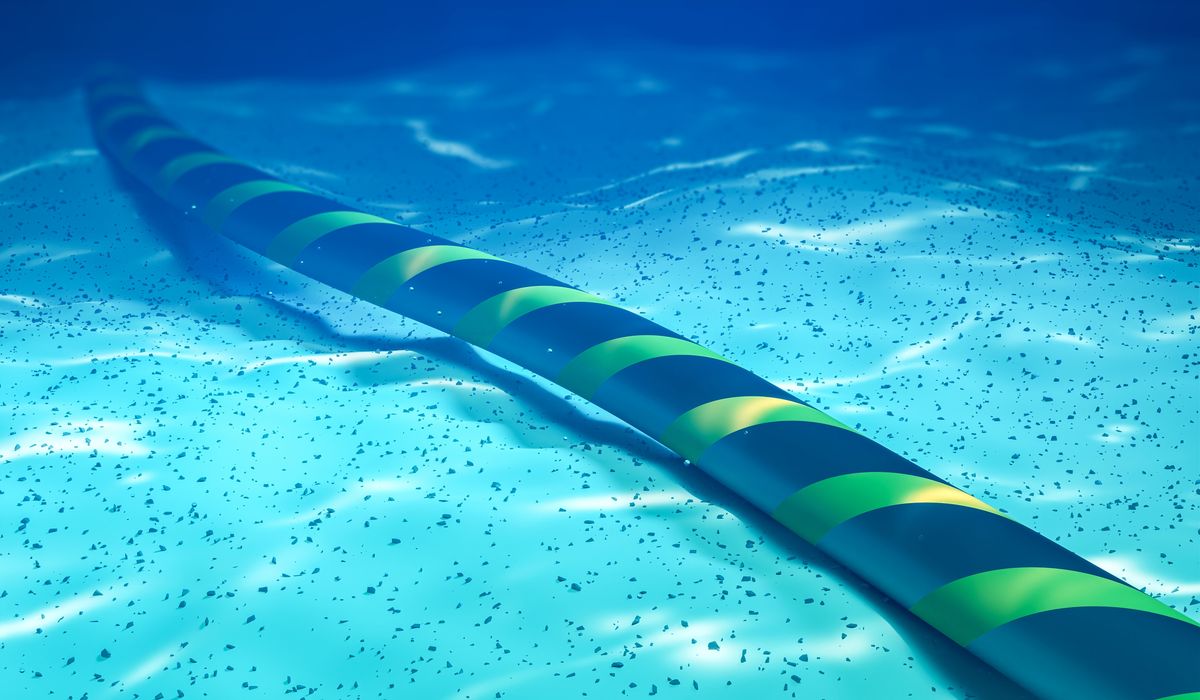
The country relies on hundreds of undersea communications cables for both military and civilian activity, and those links are exposed to sabotage by foreign adversaries while federal protection lags behind.
Undersea cables are the backbone of cross-border communications and carry vital traffic for commerce, intelligence and defense. Hundreds of these fiber-optic lines land on shores around the world, and a deliberate cut or tampering can instantly disrupt everything from financial systems to classified military data. The federal government has not put sufficient measures in place to shield this critical infrastructure from hostile action.
The vulnerabilities are straightforward: cables run through shallow coastal waters where ships, anchors and divers can reach them, and special landing sites concentrate risk in predictable locations. Repairing a damaged cable can take days or weeks, during which time vital services are degraded and adversaries can exploit gaps in situational awareness. That kind of exposure is unacceptable for assets this important.
From a military angle, undersea cables support secure communications, real-time sensor feeds and the data flow that modern forces depend on. Civilian systems—banking, emergency services, and everyday Internet traffic—ride on the same routes, so attacks have broad knock-on effects. Weak protection of these lines creates a single point of failure that adversaries will study and test in a crisis.
The problem is not just technical. Responsibility for cable security is scattered across agencies, regulators and private companies, and that fragmentation produces gaps. When oversight is diffused, hostile actors find seams to exploit. A focused, accountable approach would shrink those seams and make it harder for foreign adversaries to act without detection.
Private companies own and operate most undersea cables, and they bring the expertise to install and repair systems quickly. That reality should shape federal policy: government must coordinate and prioritize security while leveraging industry know-how rather than trying to fully nationalize the effort. Stronger alignment between commercial owners and national security agencies will raise the cost and difficulty of hostile interference.
Policy should also reflect clear deterrence. When adversaries know the United States can detect tampering, respond promptly, and impose consequences, they are less likely to try. That means investing in surveillance, improving maritime domain awareness around landing sites, and streamlining authorities so law enforcement and the military can act decisively when threats appear.
Funding and authorities matter. The Navy and Coast Guard need resources focused on shallow-water monitoring near cable landings, and regulatory bodies must require risk assessments and resilience plans from cable operators. Incentives for redundant routing and rapid repair capability will reduce single-point vulnerabilities without micromanaging the private sector.
The strategic reality is simple: foreign adversaries will try to exploit weak links where they see them. Protecting hundreds of undersea communications cables that support both military and civilian activity should be a national priority, and federal policy must catch up to the threat before an incident demonstrates how costly inaction can be.

