

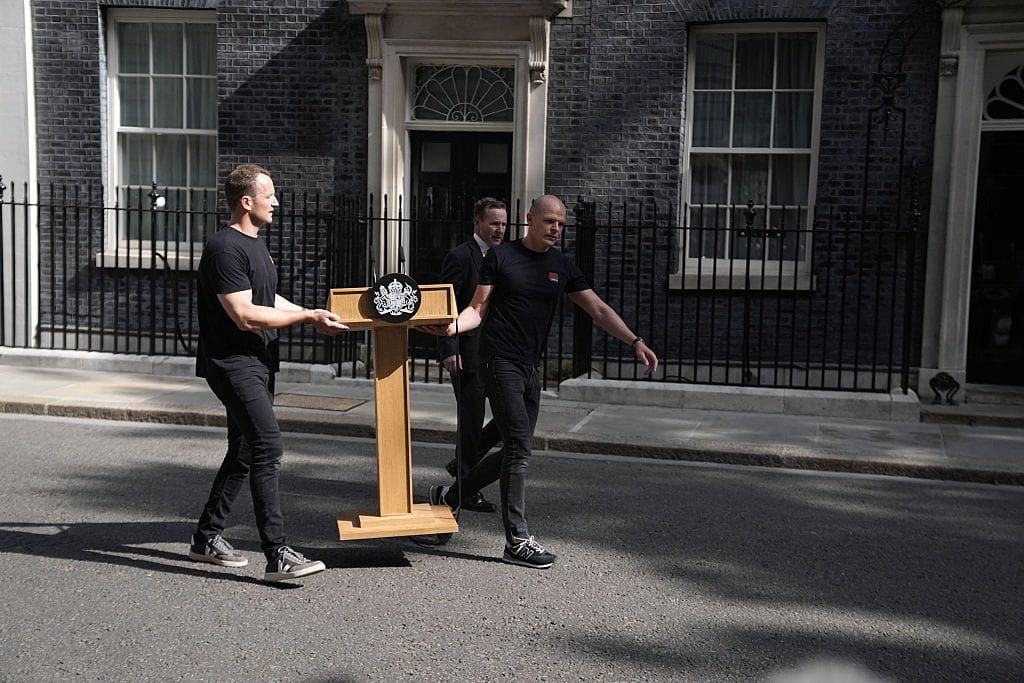
Keir Starmer is out and Britain faces an uncertain scramble: leadership questions inside Labour, a fresh political opening for the opposition, and immediate pressure on policy and public confidence.
“Yet another British PM bites the dust.” That line captures the blunt reaction many on the right are expressing after the sudden collapse of Keir Starmer’s leadership. The exit has triggered rapid jockeying within Labour and renewed optimism among Conservatives who see an opportunity to regain ground. The date stamped on this upheaval is Jun 22, 2026, and the political calendar will now move fast.
The fall of a prime minister always raises governance questions, and this one is no different. Whitehall will need continuity in day-to-day operations even as party officials sort out who takes the reins. Ministries must keep functioning while internal party contests, resignations, and factional fights play out behind closed doors.
For Labour, the immediate issue is the succession battle and whether the party will pivot further left or try to court the center. Internal factions already blame each other for electoral missteps and policy overreach, which risks fracturing the party during what should be a disciplined transition. Whoever emerges will inherit policy commitments that were central to Starmer’s agenda, but public appetite for big, costly plans looks strained.
Conservatives see a clear opening and will likely press hard on issues where Labour struggled — the economy, immigration, and public safety. From a Republican perspective, that means arguing for fiscal restraint, stronger borders, and clearer accountability for government failure. Voters disillusioned by promises that fail to materialize may respond to a message focused on restoring order and economic common sense.
On the streets and in the markets, uncertainty feeds anxiety. Businesses watch for signals about taxes, regulation, and trade; investors do the same. Any hint of instability can slow hiring and investment, so a swift and credible leadership replacement matters not just politically but economically as well.
International partners will be watching closely too, weighing whether the new leadership can deliver on treaties and security commitments. NATO allies and trade partners prefer predictable counterparts, and a messy domestic transition can complicate relationships on defense and commerce. Effective diplomacy during the handover will be a test of Britain’s resilience.
Media coverage is already filled with speculation about potential successors, but names do not equal governing plans. The next leader must articulate a compact agenda that addresses cost-of-living pressures and public services without promising open-ended spending. Voters are wary of slogans; they want clear, credible steps that stabilize budgets and improve outcomes.
For those on the center-right, the lesson is straightforward: offer a disciplined alternative that contrasts competence with chaos. That means concrete proposals on policing, immigration enforcement, and fiscal housekeeping, rather than vague pledges. A disciplined message can turn temporary turbulence into a durable electoral advantage.
Political timelines matter. Party rules will determine how quickly a new leader is chosen and whether a general election follows. Meanwhile, everyday governance continues and citizens expect normal services to be delivered. The coming weeks will reveal whether Britain’s political institutions can manage this transition cleanly or whether the episode deepens public cynicism about politics.

