

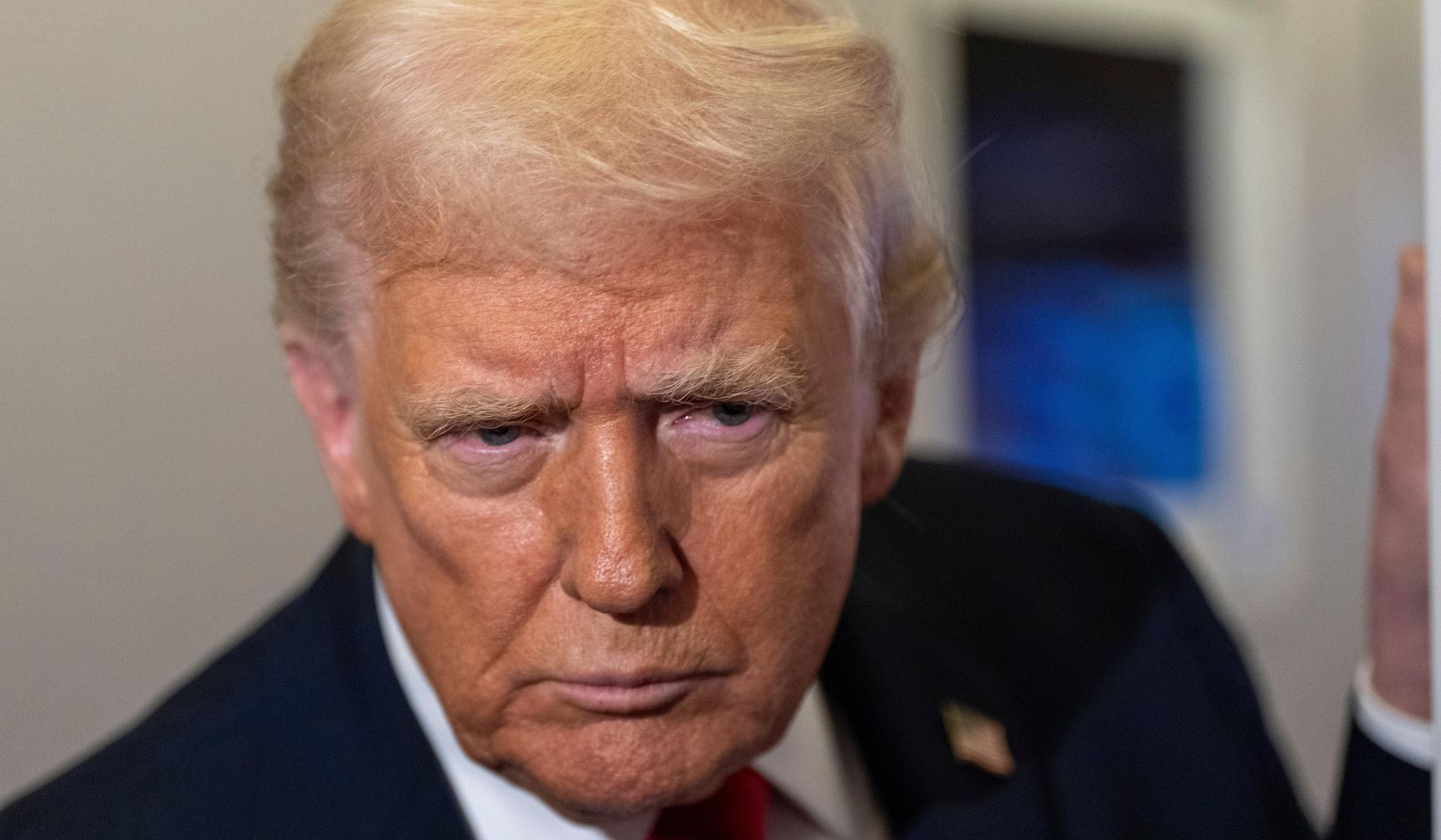
The White House has added a new section on its website aimed at calling out media outlets it says are misleading or biased in their coverage of President Trump and his policies.
This new online section is a direct effort to push back against what the administration calls selective reporting and chronic unfairness. Officials present it as a way to correct the public record and show the White House perspective in plain language. The move signals a willingness to meet media narratives head on instead of leaving corrections to third parties.
Republicans see this as a practical step to restore balance in a news environment where one-sided framing shapes public opinion. The goal is not to silence the press but to make sure voters get the White House response quickly and clearly. That kind of direct rebuttal has a long tradition in politics, and the administration is treating it as a modern version of that practice.
Supporters argue the page helps citizens separate opinion from reporting by highlighting instances the White House deems inaccurate or incomplete. By calling out specific stories, the administration forces a public conversation about journalistic standards and accountability. This is presented as a tool for transparency rather than a replacement for independent reporting.
Critics will call this an attack on the press, but the response from the White House frames it differently: media outlets can and should be criticized when coverage crosses from reporting into spin. The administration contends that not all critiques are equal and that pointing out errors or bias is part of healthy democratic debate. The site is meant to document those instances and present the administration’s side.
Practically, the page compiles examples the White House believes demonstrate misleading headlines, omitted facts, or skewed context. Visitors get concise explanations of what the administration says went wrong in each case and why it matters. This is intended to give readers quick, readable counters without waiting for mainstream outlets to run corrections or clarifications.
There is a strategic element as well: controlling the message in the digital age means responding faster than traditional print cycles. When the White House publishes its rebuttals directly, it bypasses editorial filters and reaches the public immediately. That speed can blunt the long-term impact of a misleading narrative by offering an alternative version of events right away.
Still, this approach raises questions about how to judge fairness when both sides insist the other is biased. The White House claims it will point to concrete examples instead of broad accusations, aiming to keep the debate fact-based. Whether that will change media behavior remains to be seen, but it will certainly make for a livelier public conversation about press standards.
For Republican readers, the new section represents a necessary defense in a media landscape they view as hostile and unbalanced. It is portrayed as both a corrective tool and a reminder that the administration will engage directly with the American people. Expect the page to be used aggressively to counter what the White House sees as persistent mischaracterizations of President Trump and his policies.

