

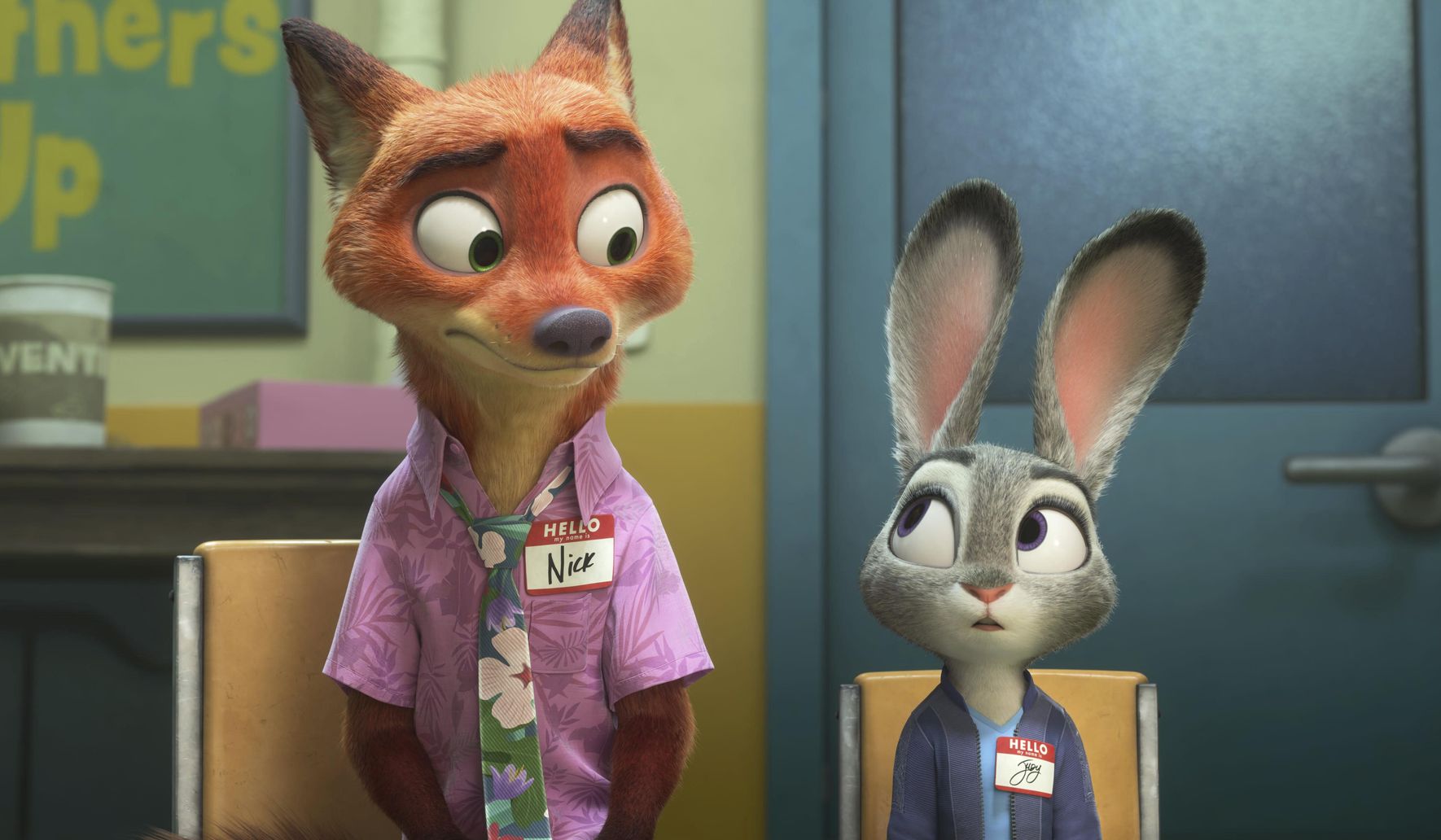
“Zootopia 2” continued the franchise’s momentum with a notable theatrical debut, drawing strong crowds and sparking wide discussion about its reach and appeal.
“Zootopia 2” had a roaring, record-setting opening at the box office. That line captures the immediate outcome studios and theaters celebrated, and it frames how the film is being talked about across industry pages and social feeds. The reaction went beyond just numbers, touching audience expectations and franchise potential in a big way.
The sequel returned to familiar streets and clever worldbuilding that original fans appreciated, while offering new hooks for younger viewers discovering the franchise for the first time. That mix—nostalgia for adults and fresh spectacle for kids—helped theaters fill seats during opening weekend. The balancing act of honoring what worked and adding new twists is a big reason the film landed so strongly.
Studio marketing leaned into character-driven spots and family-friendly messaging that emphasized both humor and heart, which resonated in multiplex lobbies and online chatter. Social media amplified early audience reactions, turning first impressions into a broader conversation that theaters benefited from in real time. That kind of organic momentum is especially valuable in a crowded release calendar.
The timing of the release also mattered; it arrived when audiences were eager for an event-level family picture and when schools and schedules allowed for group outings. Exhibitors reported healthy concession sales tied to packed showtimes, and local markets noted a diverse turnout spanning age groups. When a film becomes a social occasion again, it lifts more than just ticket tallies.
International demand played its part too, with territories outside North America showing keen interest that boosted the global tally. Animated brands often enjoy wide cultural reach, and this sequel leaned into universal themes that travel well across markets. That global appetite contributed to the headline-making opening that studios used to shape future plans.
Critics and audiences offered differing takes, which is typical for high-profile sequels trying to match a beloved original. Some praised the sequel’s visual inventiveness and updated themes, while others wanted bolder narrative risks. The variety of responses created sustained conversations that kept the title visible beyond opening weekend headlines.
Merchandise and cross-promotional partnerships surfaced almost immediately, as retail and licensing deals capitalized on character recognition and fresh design elements. Those downstream revenue streams are important for family franchises and often outsize the initial theatrical windfall. Smart tie-ins can extend a film’s cultural life and keep it in homes long after theater lights go down.
Industry insiders noted that the sequel’s opening signals a continued appetite for well-made animated originals and sequels with strong branding. For studios, that’s a cue to invest in broad marketing pushes and to consider release windows that maximize family attendance. For theaters, it reinforced the idea that big animated fare still functions as a reliable draw.
Looking ahead, the studio’s next moves will likely include a staged home window, streaming availability, and targeted international rollouts to sustain interest. Those choices will shape the film’s long-term performance and the franchise roadmap without undermining theatrical strength. How those windows are timed can make a big difference to both revenue and audience goodwill.
Ultimately, the opening weekend created momentum studios can build on, and it gave audiences a fresh talking point in a season crowded with content. Whether the film sustains box office legs will depend on word of mouth, repeat viewings, and how well it connects beyond opening weekend. For now, it stands as a high-profile example of a family film that captured attention right out of the gate.

