

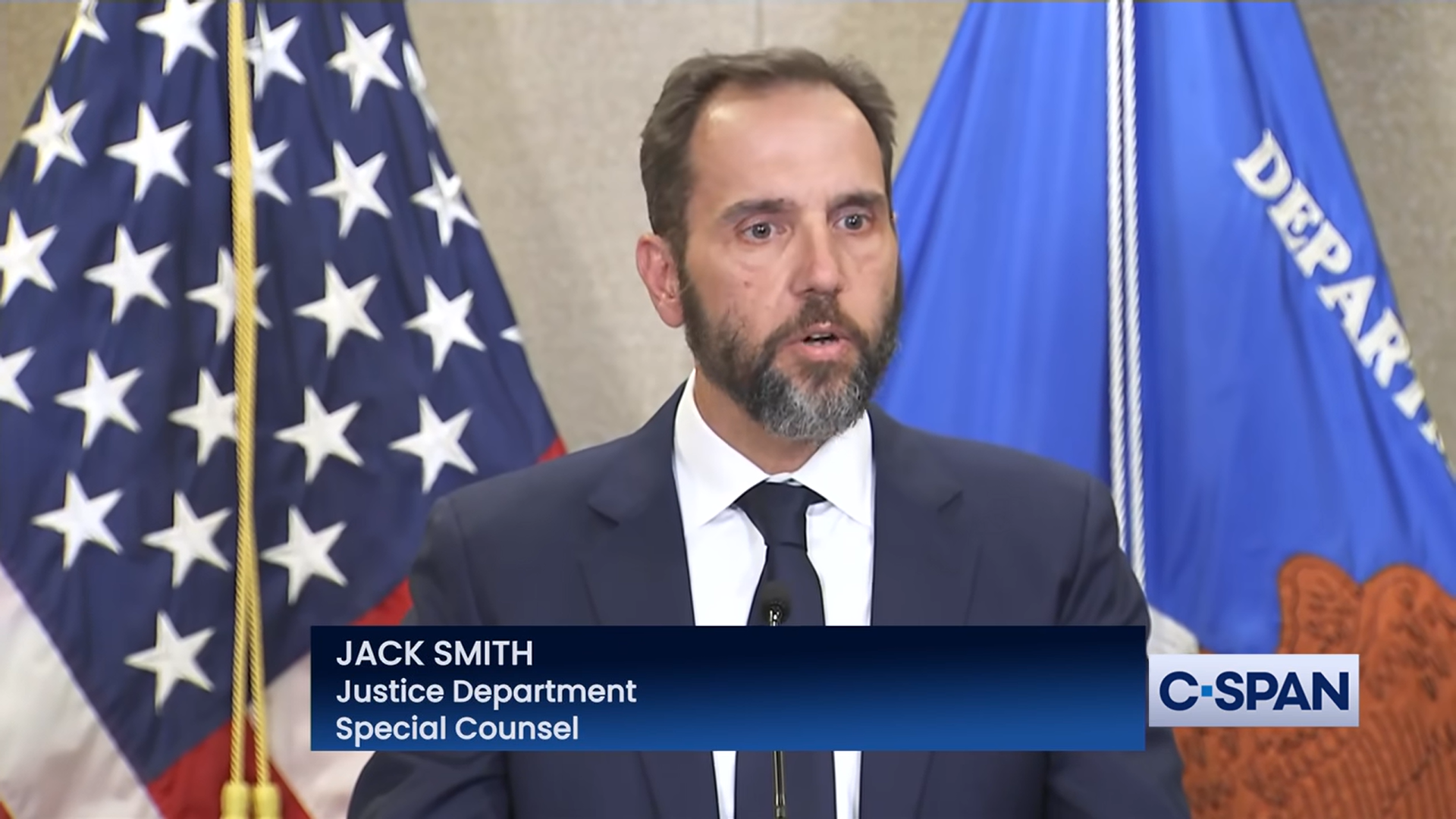
Representative Smith’s decision to approve those subpoenas ignored the clearly established rights of congressional Republicans and set off legal and institutional alarms about fairness, precedent, and the balance of oversight in Washington.
Smith never should have approved the subpoenas since they violated the congressional Republicans’ clearly established rights. That single move has become a flashpoint for concerns about how the majority treats minority participation in oversight. Republicans see this not as a procedural slip but as a pattern that undermines basic expectations of fairness in Congress.
The constitutional foundation for congressional rights is longstanding and not negotiable because one party holds the gavel. Members of the minority have recognized privileges in investigations that safeguard their ability to defend constituents and preserve interbranch balance. Overriding those protections breeds distrust and weakens the institution’s capacity to function as intended.
Practically speaking, subpoenas carry coercive force and serious consequences for targets and witnesses. Approving them without clear adherence to rules and minority input turns oversight into a tool of advantage rather than an instrument of accountability. That shift damages public confidence when investigations look political instead of principled.
Legal scholars of various stripes have warned about the risks when process is sacrificed for speed or headline appeal. Courts measure claims about congressional power and member rights against a backdrop of precedent, statutory text, and historical practice. A rushed or partisan approach increases the likelihood of litigation that will tie up oversight for months or years.
Republicans are particularly sensitive to selective enforcement because they believe it provides a double standard for similar behavior across party lines. When the majority prosecutes conduct that it has previously tolerated, it creates a playing field tilted toward political winners and away from consistent rules. That perception feeds the narrative that Washington enforces consequences unevenly.
Beyond partisan grievance, there are real governance costs when subpoenas are wielded without sufficient regard for minority safeguards. Staff time, legal fees, and committee credibility are all drained, and the public loses out on thoughtful investigation. Good oversight should focus on facts and outcomes, not spectacle.
There are also institutional remedies built into the system that are meant to protect minority members during inquiries. Rules requiring consultation, opportunities to offer alternative witnesses or questions, and transparent criteria for issuing subpoenas exist for a reason. Ignoring those mechanisms undercuts the structural checks that keep oversight fair.
Some defenders of Smith argue that urgency justified expedited action, but urgency alone does not erase the need for due process within congressional procedures. Emergencies can still be handled in ways that respect established rights and allow meaningful minority participation. Excusing process because of perceived crisis opens the door to frequent exceptions and long-term erosion of norms.
From a policy standpoint, the fallout will likely be procedural reforms or a spike in reciprocal tactics when power shifts. If one party treats rules as optional when convenient, the next majority will feel entitled to do the same, escalating partisan retaliation. That tit-for-tat dynamic has real consequences for governance and the ability of Congress to legislate effectively.
Republican members argue that guarding minority rights is not obstructionism but stewardship of a functioning institution. Preserving those rights ensures that oversight delivers credible findings that can withstand public scrutiny and judicial review. When rights are trampled, the resulting reports and subpoenas are weaker and more easily attacked on legal grounds.
Moving forward, restoring trust will require recommitting to established procedures and making good-faith accommodations that respect minority roles in investigations. Reforms may include clearer standards for issuing subpoenas, mandatory consultation periods, and accountability for leaders who bypass norms. Without those steps, oversight risks becoming a permanent battlefield rather than a mechanism for truth and accountability.

