

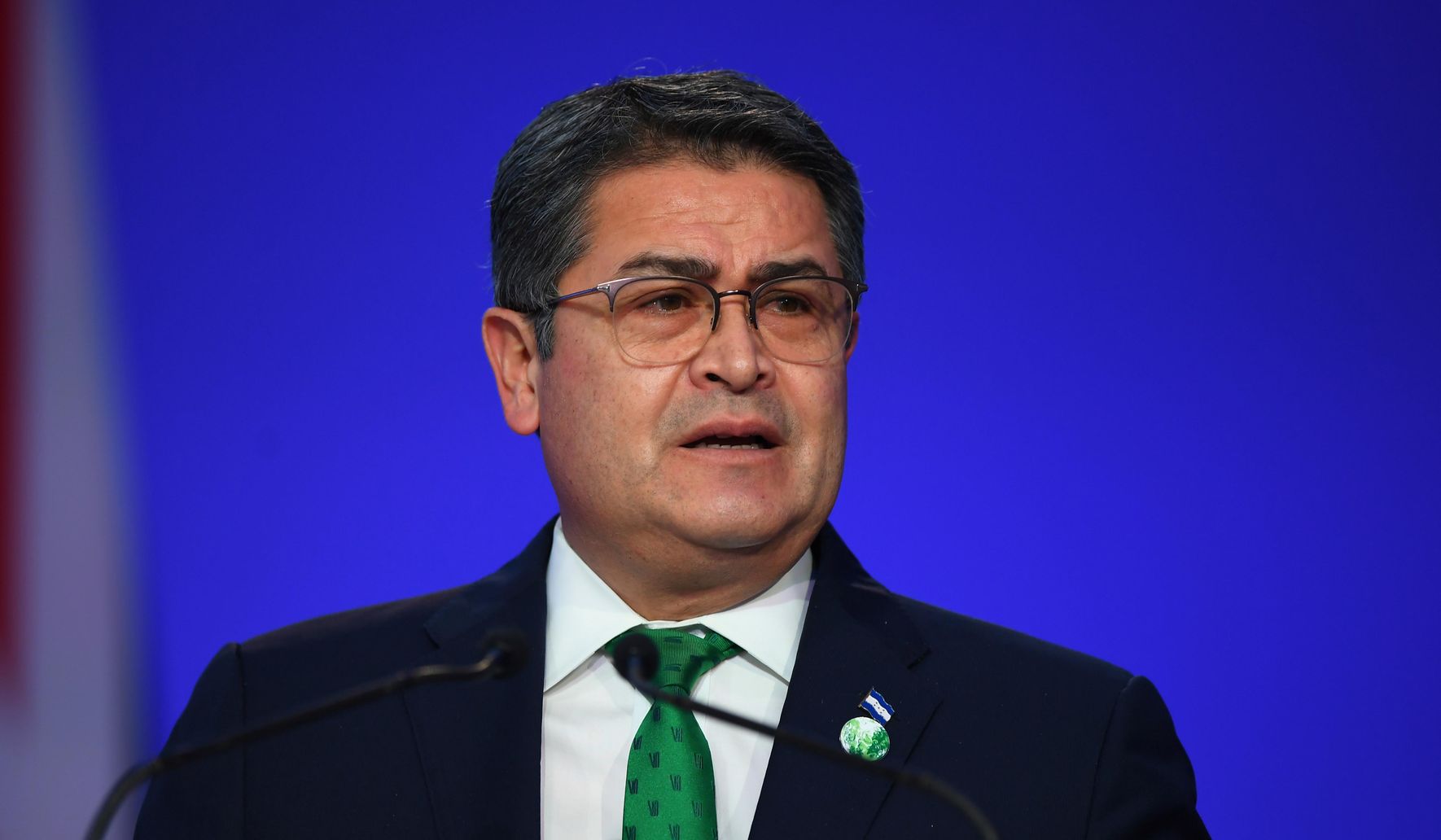
Former Honduran President Juan Orlando Hernandez, sentenced last year to 45 years in prison for his role in helping drug traffickers move hundreds of tons of cocaine to the United States, was released.
Former Honduran President Juan Orlando Hernandez, sentenced last year to 45 years in prison for his role in helping drug traffickers move hundreds of tons of cocaine to the United States, was released. The news landed hard for people worried about corruption and the violent drug trade that fuels instability in Central America. For many on the right, the case is a blunt reminder that weak governance south of the border has direct consequences here at home. It raises immediate questions about accountability and the toughness of law enforcement against cartels.
The conviction and sentence shocked observers because of the scale involved and the political rank of the accused. Moving hundreds of tons of cocaine is not a small operation and it strikes at the heart of why border security and anti-narcotics cooperation matter. Republicans have long warned that corruption in neighboring governments undermines any effort to secure the United States. This release will likely become a talking point for those urging sharper U.S. policies on interdiction and cooperation with trusted partners.
Beyond political spin, the legal picture is complicated and messy. High-profile corruption cases often expose tangled networks of officials, smugglers, and intermediaries who profit while citizens suffer. When a former head of state is implicated, it speaks to a system where power can shield criminal behavior until it becomes too visible to ignore. That reality fuels skepticism about whether the rule of law can be applied evenly in countries plagued by cartel influence.
Americans directly affected by drug violence and addiction should care about how these cases are handled. Drugs flowing into the United States tear families apart and feed violent markets. A release like this can feel like a setback for communities demanding justice and safer streets. From a Republican perspective, the response should be straightforward: double down on enforcement while pressing for stronger anti-corruption measures in partner nations.
There are also geopolitical consequences to consider. When officials who allegedly facilitated mass drug shipments walk free or see their sentences cut, it weakens regional cooperation and sends a signal to criminal networks. That can push traffickers to exploit new routes or deepen ties inside weak institutions. The practical response is measurable: more targeted sanctions, tighter visa and financial restrictions on implicated figures, and better intelligence sharing with reliable regional partners.
Any effective strategy must combine pressure with credibility. The United States can push for transparent legal processes while also taking independent measures to protect our borders and citizens. Republicans often emphasize tough, pragmatic steps: improved interdiction, more resources for prosecutors and investigators, and incentives for honest officials to resist cartels. If foreign courts fail to enforce justice, Washington still has tools to punish corruption and protect Americans.
Domestically, the optics of a release like this feed into ongoing debates about criminal justice and presidential accountability. People want to see consequences for leaders who betray public trust and allegedly abet international crime. A political framework that tolerates impunity abroad risks normalizing it at home. The GOP message here is clear: accountability matters regardless of rank, and law enforcement must be empowered to follow the money and arrest the networks behind the trade.
Honduras will now face pressure from multiple directions: its own citizens demanding integrity, regional neighbors wary of instability, and the United States insisting on results. Honest reforms will require political will inside Honduras and consistent follow-through from international partners. For those focused on national security, this episode is a call to keep attention on the region and to shore up policies that prevent corrupt officials from enabling transnational crime.
Whatever legal appeals or political maneuvers play out next, the practical consequences are immediate for migrants, drug enforcement agents, and families touched by trafficking. The Republican stance is to prioritize concrete actions that reduce supply, cut cartel revenues, and hold individuals accountable. That means more than rhetoric: it means sustained pressure on corrupt networks and an unwavering commitment to secure Americans from the harm that follows when leaders betray public trust.

