

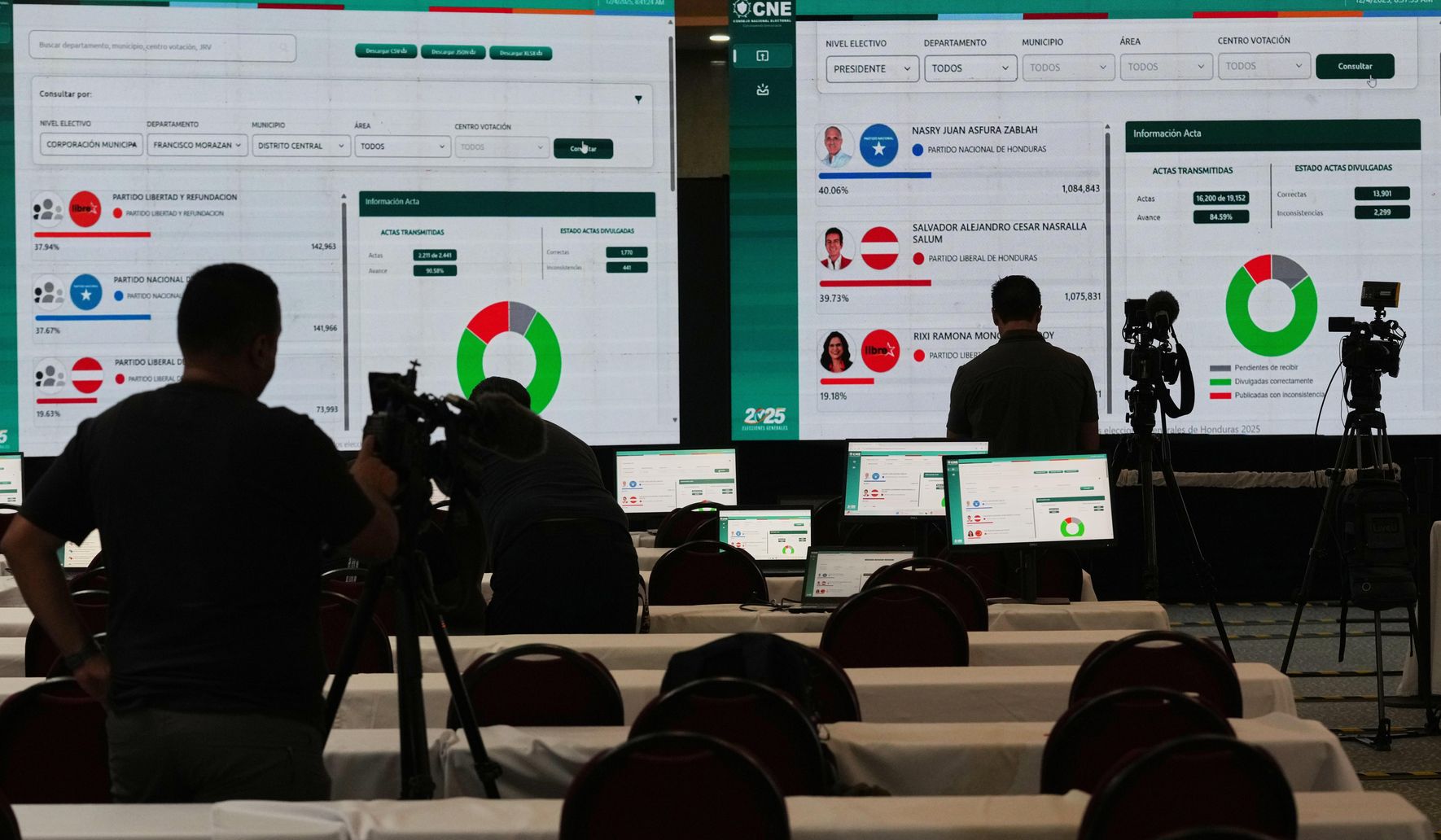
More than a week after Hondurans voted to elect a new president, results are still coming in and the slow pace has fueled growing complaints and claims of irregularities from the three top candidates.
Voters and politicians alike are frustrated that counting is dragging out, and that frustration is coming from all sides. The batch-by-batch updates from the electoral authority have been slow enough to erode confidence, and when the three leading campaigns start leveling allegations the situation hardens quickly. This is a political moment that looks like a test of institutions, not just ballots.
People in Honduras deserve prompt, transparent results, and the delay has left a gap that opponents can fill with suspicion. The three top candidates publicly questioned elements of the process, pointing to inconsistencies in tallies and the pace of reporting. Those claims, whether fully founded or not, change how the public reads each headline and every interim update.
From a Republican viewpoint, election integrity is a simple principle: clear rules, visible procedures, and a chain of custody you can trust. When counting stalls and explanations are thin, you get a vacuum that breeds doubt and potential unrest. Expect political leaders and civil society to press hard for audits, recounts, and verifiable paper trails to settle disputed numbers.
International observers traditionally play a role in these moments, and their presence tends to calm or confirm concerns depending on what they see. If observers find procedural lapses, that will only validate the complaints and increase pressure on the electoral council. If they find the process sound despite delays, that still leaves the perception problem to manage.
Slow tabulation also raises practical questions about how results are transmitted and certified, and whether technology or logistics are to blame. Officials will need to explain chain-of-custody for ballots and the exact steps taken as results are moved from polling places to central tallies. Clear, time-stamped disclosures would help, but only if they’re detailed and easy to verify.
At the same time, messy counts have political consequences at home. Candidates who trail can use the delay to rally supporters and allege manipulation, while frontrunners can look defensive when they call for patience. Either scenario risks street-level friction and deeper polarization unless the electoral authority acts quickly and visibly to rebuild trust.
Media coverage of the unfolding tally amplifies emotions, and social platforms make every allegation stick in public memory long before it’s proven. That dynamic rewards decisive, documented responses from authorities rather than vague reassurances. A plan to show actual paperwork and step-by-step logs would be far more effective than broad statements about confidence.
Ultimately, Hondurans need a conclusive result that stands up to scrutiny and a system that prevents these kinds of doubts in future elections. The immediate priority is getting final figures out in a way that credible observers can verify, while longer-term fixes should aim at transparency, faster reporting, and secure handling of ballots. How Honduran institutions respond to this squeeze will shape political trust for years to come.

