

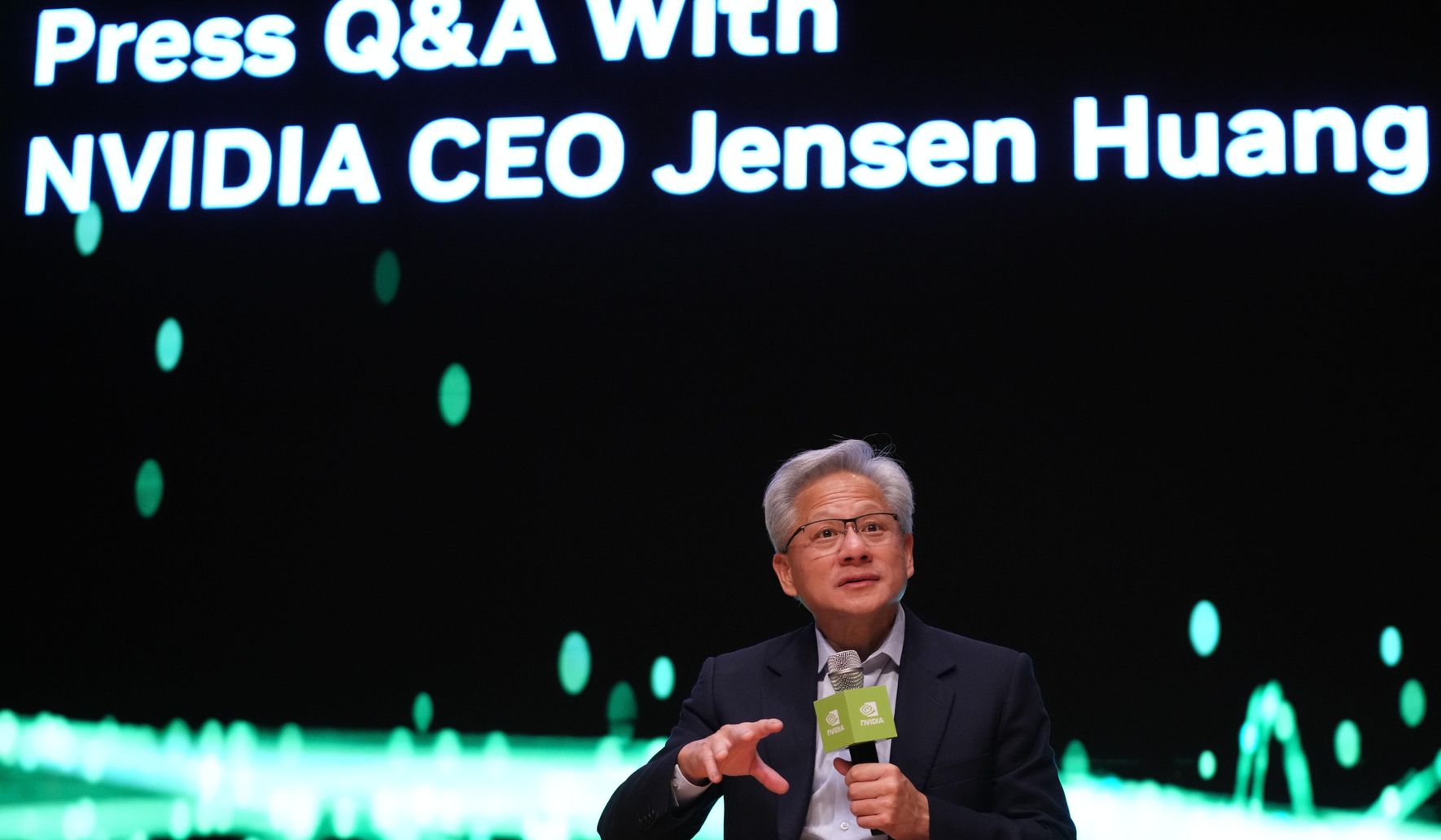
President Trump cleared Nvidia to sell H200 chips to China the same day his Justice Department announced arrests, and that move has stirred debate over national security, tech leadership, and law enforcement timing.
President Trump this week allowed artificial intelligence powerhouse Nvidia to sell its advanced H200 microchips to China — a decision that came the same day his Justice Department announced arrests. That single line has become the headline because it ties trade policy, national security, and criminal enforcement into one moment. The choice to permit those sales signals a different approach to engagement with foreign markets while the DOJ action underscores a separate focus on law and order. Both moves deserve scrutiny from a policy and political angle.
From a Republican perspective, the decision to let Nvidia export H200 chips can be framed as smart economic statesmanship. We want American companies to lead the world in innovation, and restricting sales can backfire by pushing partners and customers toward competitors. Allowing the chips to flow in a controlled way can strengthen U.S. firms while keeping leverage in negotiations over safeguards and intellectual property protections.
At the same time, national security concerns are real and shouldn’t be waved away. Advanced AI accelerators like the H200 have clear dual-use potential that could benefit hostile actors if misused. Conservatives often argue for strong, targeted controls that protect critical capabilities without strangling U.S. industry. The practical challenge is balancing industry competitiveness with robust export controls and verification mechanisms.
The simultaneous DOJ arrests complicate the public perception of the policy move. Law enforcement making arrests the same day can look like mixed messaging unless the two actions are explicitly coordinated. Republicans tend to favor law and order, and seeing the Justice Department take decisive action hits the right tone, but timing matters if it muddies the strategic narrative around exports and security.
Economically, Nvidia and other chip makers are a big part of America’s advantage in the global tech race. Letting them sell advanced components under strict licensing can keep supply chains tied to U.S. oversight and rules. Conservatives want to see American firms win and keep jobs and innovation here, and allowing responsible commerce is one way to do that while negotiating stronger guardrails globally.
Critics worry about loopholes and enforcement gaps, and those concerns are valid. A responsible Republican approach supports clear, enforceable export licensing, stepped-up inspections, and penalties for violations. That way, the U.S. can exploit its lead in AI hardware while minimizing the risk that critical technology empowers adversaries.
The optics of policy and prosecutions landing together will continue to drive headlines, but policy should be judged on outcomes. Will the licensing regime protect sensitive applications and maintain U.S. advantage? Will prosecutors deter wrongdoing without chilling legitimate business? The answers should come from measurable safeguards and transparent oversight rather than partisan spin.
Congress has a role here, too, and lawmakers from both parties should press for clarity. Republicans can champion a strategy that protects national security and promotes American industry at the same time. That means tougher enforcement where needed, but also smarter rules that don’t hobble the very companies that keep America competitive.
Ultimately, the decision to permit H200 sales while the DOJ pursued arrests lays bare the tension between commerce and security in the tech era. Conservatives favor strong national defense and a thriving private sector, and the two can coexist if policy is pragmatic and enforcement is relentless. Moving forward, policymakers must show they can protect sensitive capabilities without handcuffing American innovation.

