

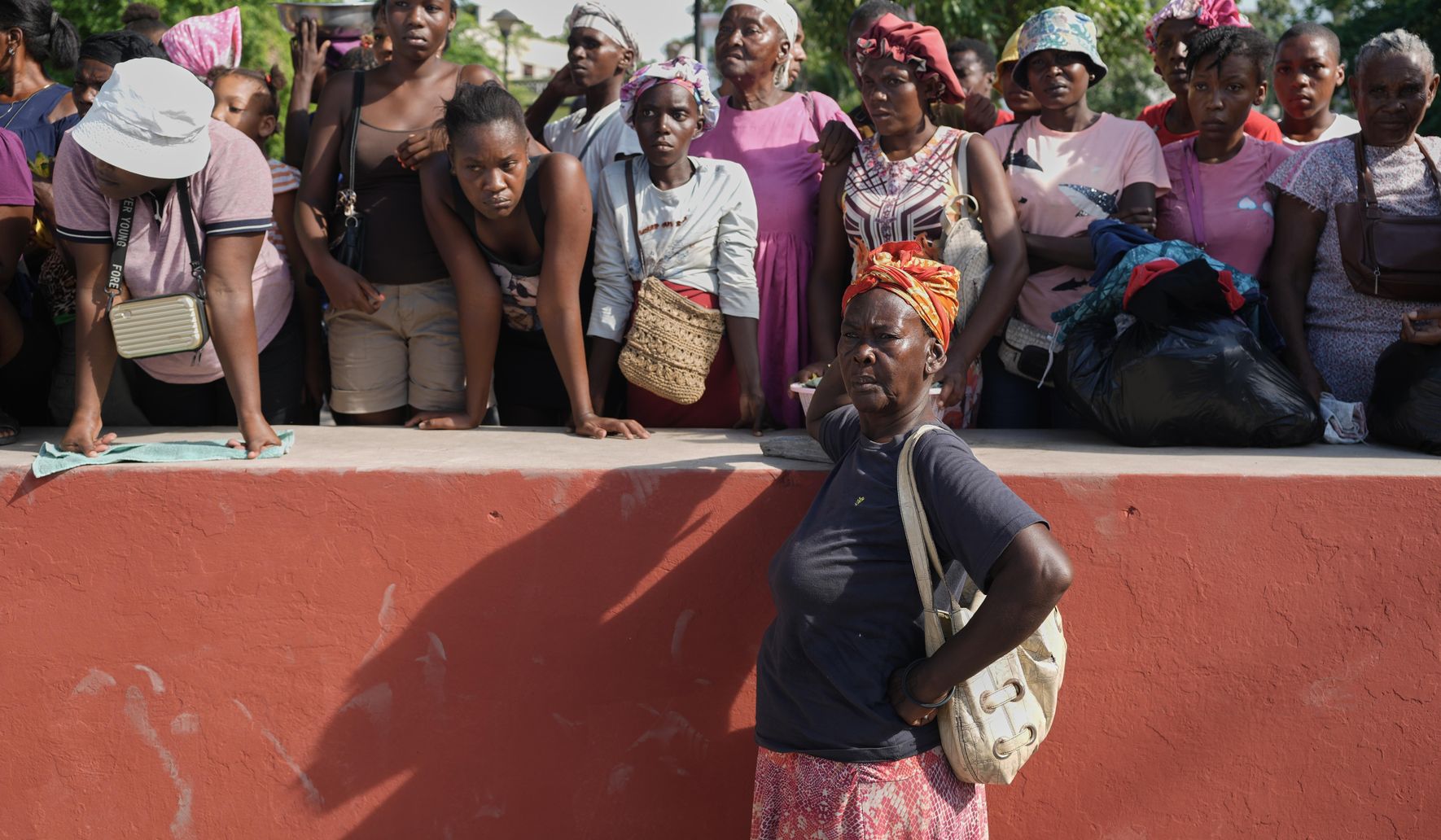
Hurricane Melissa tore through parts of Haiti, leaving homes crushed, families displaced, and communities scrambling for shelter and basic services.
Amizia Renotte sat on a broken piece of concrete and pointed to a large pile of dirt where her house once stood before the outer bands of Hurricane Melissa crumpled it as the storm lashed Haiti’s
The scene around her was one of sudden loss and grinding uncertainty, with roofs torn off and trees sheared clean. Streets that had once been full of daily life were now clogged with debris and the slow movement of people carrying what they could salvage. Local clinics reported higher than usual patient counts as basic medical needs and minor injuries added to the chaos.
Water and sanitation became immediate concerns after the floodwaters receded, increasing the risk of disease in crowded temporary shelters. Families sharing tents or makeshift lean-tos face tough choices about food, clean water, and where to sleep safely. Humanitarian groups on the ground prioritized clean drinking water, hygiene kits, and emergency shelter materials.
Power outages stretched across large areas, complicating rescue and relief efforts and limiting communication between towns. Without power, pumps and refrigeration fail, affecting water supplies and medication storage. Community leaders improvised meeting points where people could get verified information and coordinate help.
Roads and bridges that had been marginal before the storm were either washed out or blocked, hindering the delivery of aid and making travel perilous. Heavy equipment was needed to clear routes, but machinery and fuel were scarce in many hard-hit communities. Local volunteers often led initial clearing efforts using hand tools and determination.
Farmers watched fields reduced to mud and scattered crops, creating an immediate threat to food security in the months ahead. Livestock losses and seed damage mean harvests will be uncertain, and smallholders may need seed, tools, and technical support to replant quickly. Agricultural recovery will be a critical plank of preventing a longer-term hunger crisis.
Children were among the most vulnerable, with schools damaged and classrooms turned into emergency shelters in some areas. Interruptions to education create a secondary crisis, affecting a generation that already faces limited opportunities. Rapid repairs and safe learning spaces will be important to restore normalcy and protect kids from exploitation.
Local officials asked for targeted assistance rather than broad promises, emphasizing assessments that identify the worst-hit neighborhoods first. Community-based organizations know their needs best and can direct supplies to families who lack any other support. Coordination between local groups and international teams can speed relief without duplicating efforts.
Health workers warned that roadblocks to supplies could lead to shortages of essential medicines and maternal care services. Pregnant women and chronic patients urgently need consistent access to clinics, and interruptions can have long-term consequences. Mobility and supply chains must be restored quickly to prevent preventable complications.
Repairing homes and infrastructure will require money, materials, and skilled labor, all of which are in short supply locally. Small businesses that serve daily needs—markets, bakeries, and shops—were damaged, cutting off livelihoods for many families. Economic recovery plans should consider both immediate cash assistance and support for rebuilding microenterprises.
Weather monitoring remained a priority as local authorities prepared for the possibility of more storms later in the season. Early warning systems and public alerts can save lives, but they depend on reliable communications and public trust. Strengthening those systems now reduces risk when future storms approach.
Volunteers and neighbors pulled together to distribute food, fix temporary shelters, and check on elderly residents who could not move easily. That local solidarity will matter as much as any external aid in the coming weeks, because it is immediate and practical. Still, long-term recovery will demand coordinated support from government, NGOs, and international partners.
As cleanup continues, the reality is stark: reconstruction will take time, and priorities must balance urgent needs with durable solutions. Rebuilding safer homes, restoring services, and bolstering livelihoods will determine whether communities can bounce back or remain vulnerable. The work ahead will be measured in months and years, and the focus will need to stay on practical assistance that reaches the people who need it most.

