

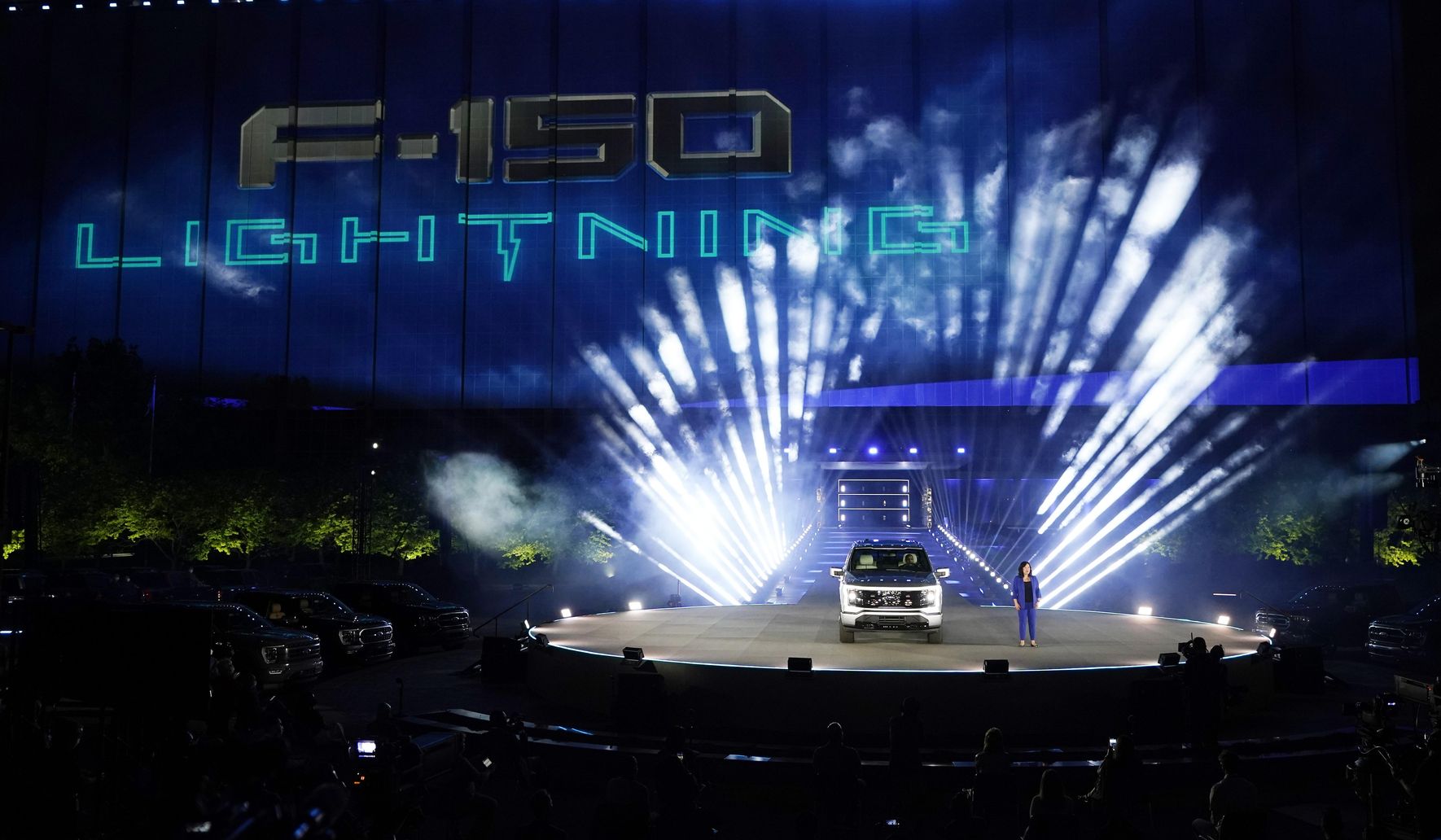
Ford is paring down its focus on electric vehicles and investing more in gasoline and hybrid models, a pivot expected to cost the carmaker billions. The automaker is reshuffling priorities and redirecting engineering, production, and marketing resources toward internal combustion and hybrid platforms. That shift reflects a mix of market feedback, margin pressures, and the practical limits of the current EV ecosystem.
Executives say the move is about balancing long-term goals with near-term realities. EV programs carry heavy upfront costs for battery technology, manufacturing retooling, and charging partnerships, and those costs add up before profit shows. Shifting investment back into gasoline and hybrid models allows Ford to defend cash flow while keeping EV work on a slower, more sustainable track.
Investors and analysts have been watching margins closely, and automakers now face a tougher test than just building electric cars. Profitability depends on volume, supply chains, and resale values, areas where gasoline and hybrid vehicles still hold advantages. Returning some capital to those segments aims to stabilize revenue while the industry solves battery economics.
Customer demand plays a big role in this recalibration. In many parts of the country, buyers still prefer trucks, SUVs, and range-flexible vehicles for daily use and towing needs. Fleets and rental companies, which move large numbers of vehicles, also show more cautious EV uptake because of duty cycles and charging logistics.
Dealers and service networks matter too, and Ford faces the real task of keeping its dealer base profitable as the fleet shifts. EVs change the service model, cutting some maintenance revenue streams that dealers rely on today. Supporting a hybrid and gasoline lineup helps dealers bridge the gap and maintain customer relationships during the transition.
Charging infrastructure remains uneven, with gaps in rural areas and inconsistent fast-charging availability along some corridors. Until public and private networks expand, many drivers still need the convenience and predictability of gas stations. Hybrids and efficient combustion engines serve as practical alternatives while charging builds out more broadly.
Competition is a factor, but this is not a retreat from electrification entirely. Ford is keeping EV programs alive where they make strategic sense and where scale can be achieved, while hybrids act as a bridge for customers who want improved efficiency without full electrification. The goal is to meet customers where they are and avoid betting everything on a single technology too soon.
Operationally, the shift will affect manufacturing plans, supplier contracts, and hiring priorities. Battery factories and EV assembly lines require long lead times and specific capital, so pacing those projects can reduce risk. At the same time, ramping up proven gasoline and hybrid architectures leverages existing plants and supplier relationships to deliver cars and trucks faster.
The change will not be cheap, and Ford acknowledges the financial hit implied by the pivot. Redirecting investments, rebalancing production, and adjusting product road maps all carry one-time costs and planning disruption. Still, the company is betting that a more measured mix of EV, hybrid, and gasoline models will protect margins and keep its lineup competitive while the market matures.

