

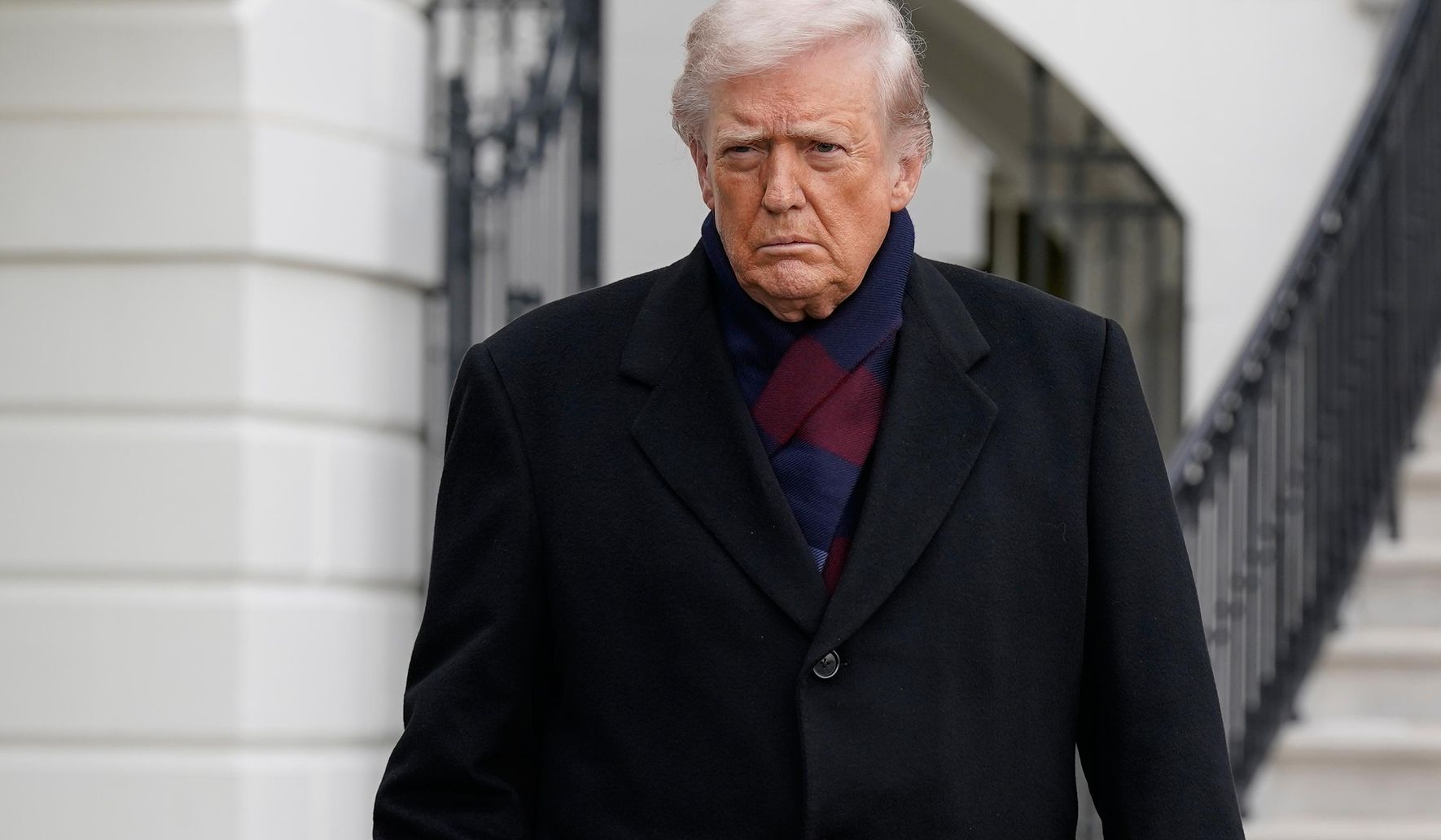
President Trump will personally witness the dignified transfer for two Iowa National Guard members on Wednesday, carrying out one of the most solemn duties the commander in chief can perform and honoring service members who died in the line of duty.
On Wednesday, President Trump will attend a dignified transfer for two Iowa National Guard members, a moment that underscores the weight of command and the cost of service. The ceremony will mark the return of the fallen, giving their families and fellow citizens a chance to grieve and to show respect. This is a quiet, solemn responsibility that falls to the president whenever troops are lost.
For Republicans, this kind of visit is both personal and powerful, showing the commander in chief standing with the military and the families who bear the heaviest burden. It affirms a clear message: the nation will not forget the sacrifices its citizen-soldiers make. The president’s presence signals that honor and duty remain central to national life.
Dignified transfers follow careful procedures designed to preserve dignity and respect for the dead and their families. Service members of the fallen are escorted with precision, and the scene is kept solemn so loved ones can begin to process their loss. These moments are never about politics; they are about human loss and national gratitude.
The Iowa National Guard has sent family members and comrades to receive the remains of their two colleagues, and the community will feel the loss deeply. Guard units are woven into local life, serving neighbors at home and fighting abroad, so the impact reaches towns, churches, and schools. When a community loses two of its own, the ripples are broad and lasting.
Presidential attendance at such a transfer is more than symbolism; it reinforces the bond between the civilian leadership and the armed forces. For commanders and troops, seeing the president honor the fallen boosts morale and reassures service members that their country cares. For families, the visit offers a solemn recognition that their loved ones’ service mattered.
Officials coordinating the transfer will follow established protocols to ensure the ceremony is respectful and orderly, protecting the privacy of grieving relatives. Media coverage tends to be restrained for these events, giving space to family and to the military’s formal honors. The focus is kept on the fallen, not on headlines or political theater.
As the nation watches, leaders from both parties often pause to recognize sacrifice and to offer condolences, and this moment usually draws a rare, if brief, bipartisan calm. Republicans emphasize the importance of backing the military and caring for veterans and families, a stance that translates into policy priorities and support for resources. The immediate duty, however, is to comfort the bereaved and to honor the dead.
In the days after a dignified transfer, communities and commanding officers work to support surviving family members, coordinating benefits, counseling, and memorial arrangements. That ongoing care is part of the broader obligation the country owes to those who serve and to their loved ones. The ceremony on Wednesday is the first public gesture in a longer process of remembrance and support for two Iowa families who have lost their servicemembers.

