

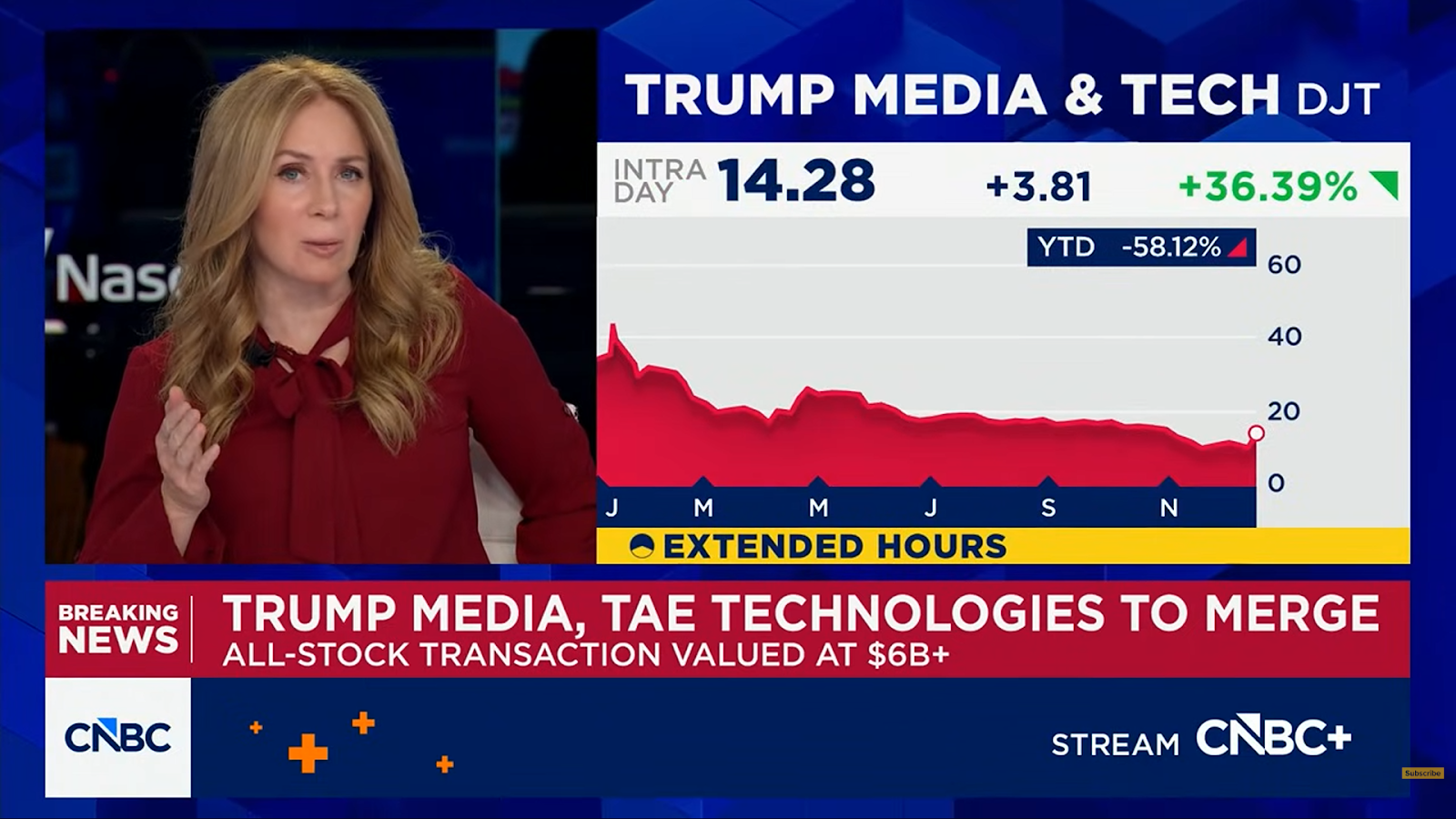
TMTG is joining forces with a major tech firm in a multi-billion dollar merger aimed at accelerating fusion energy development and pushing private-sector innovation in American energy and technology.
The Trump Media & Technology Group Corp announced this week that it will merge with a large technology company in a deal valued at more than $6 billion. The stated goal is to accelerate the development and deployment of fusion energy across the country. Investors and industry watchers are already parsing what this could mean for markets and energy policy.
The move signals serious private capital flowing into a technology with potentially transformative national benefits. Fusion offers the promise of abundant, low-carbon baseload power if commercial pathways can be proven at scale. Republicans should welcome private efforts that reduce dependence on foreign energy and strengthen the nation’s industrial base.
Officials from TMTG framed the deal as part of a broader effort to combine communications infrastructure with energy innovation. In the company’s words, “Trump Media & Technology Group built uncancellable infrastructure to secure free expression online […]” That claim sits alongside the energy ambitions, suggesting a strategy that ties messaging, national resilience, and new power technologies together.
From a policy perspective, the merger raises questions about regulatory review and federal oversight, but those are the kinds of hurdles private innovators should meet head-on. The private sector moving first can reduce taxpayer exposure while proving concepts faster than slow-moving bureaucracy. That dynamic is essential if fusion is to move from experimental labs to reliable power plants supplying American homes and factories.
Economic implications are significant: commercialization of fusion could create high-skill jobs in engineering, fabrication, and advanced manufacturing. A successful rollout would attract suppliers and spur regional investment where plants and research centers are built. Republican priorities favor market-driven job growth, and fusion development led by committed private firms fits that approach.
There are real technical and financial risks, and timelines for fusion commercialization remain uncertain. Past hype has promised breakthroughs that took decades to achieve, and this merger does not change the hard physics and engineering challenges. Responsible investors and leaders should demand clear milestones, transparent governance, and measurable progress before pouring more capital into large-scale rollouts.
National security and energy independence are core parts of the argument for moving quickly but carefully. Fusion that can be domestically produced and defended limits leverage from hostile regimes that currently dominate some fuel markets. At the same time, integrating a media and technology company with energy ambitions will prompt scrutiny on how data, infrastructure, and critical systems are protected.
Given the scale of the merger and the $6 billion-plus valuation, stakeholders must watch for how governance is structured and how project accountability is enforced. Private leadership can unlock fast-paced innovation, but democratic oversight and clear reporting keep taxpayer and consumer interests protected. If this partnership delivers even a portion of its promise, it will reshape the conversation about America’s energy future and the role of private capital in solving national problems.

