

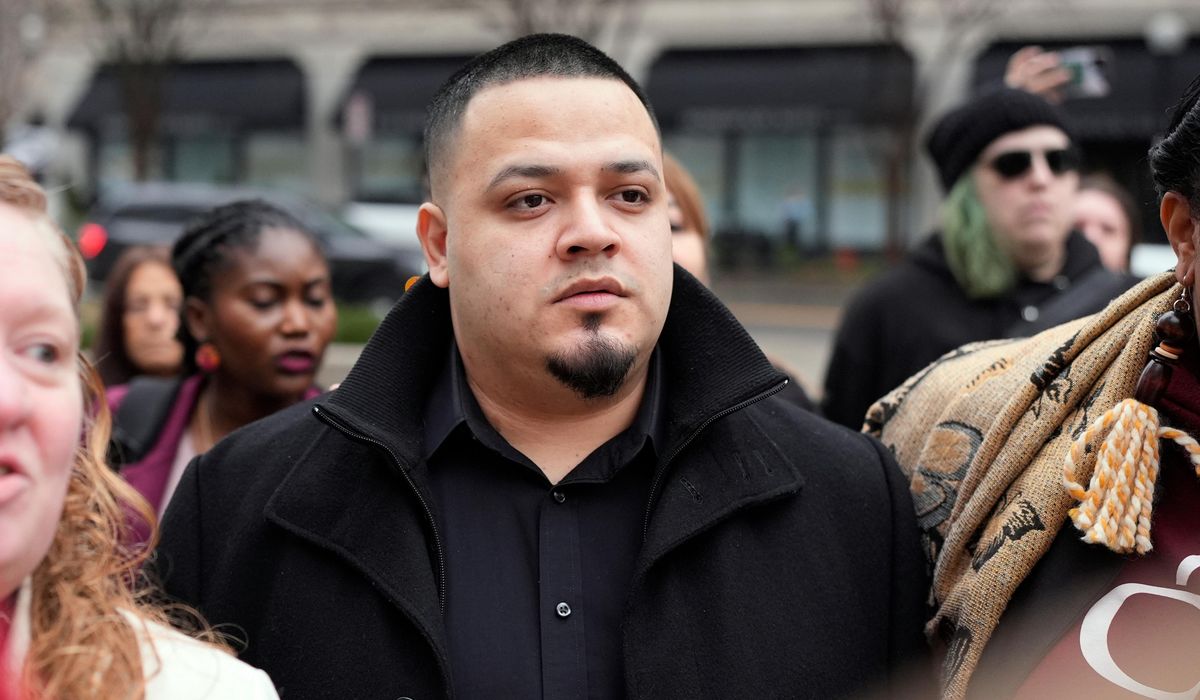
A federal judge has thrown out the Trump administration’s criminal case against Kilmar Abrego Garcia, ruling that it was a vindictive prosecution. The ruling cuts to the heart of how prosecutors use discretion and how courts police that power.
This decision by a federal judge sends a strong signal about limits on prosecutorial behavior and the need for courts to step in when charges look punitive rather than lawful. Vindictive prosecution is not a technicality; it alleges that the government punished someone for asserting rights or for reasons unrelated to legitimate law enforcement goals. The judge’s move to dismiss the case will reverberate through immigration and criminal practice.
From a Republican perspective, the result is uncomfortable but necessary: we want robust immigration enforcement and fair prosecutions, not politically motivated charges. Strong borders and strict enforcement depend on public confidence in the justice system, and that confidence erodes if prosecutors are seen to be wielding cases as a weapon. Protecting rule of law means holding everyone, including prosecutors, to clear standards.
The legal standard for vindictive prosecution typically requires the defense to show either direct evidence of retaliatory motive or circumstances that create a strong presumption of vindictiveness. Judges then examine the record for facts showing the government acted to punish the defendant for exercising legal rights or for reasons that had nothing to do with public safety. When a court finds such motive, dismissal is the remedy because the integrity of the system is at stake.
This particular ruling undercuts a common political setup where high-profile enforcement is used to send a message. When criminal cases become tools of political theater, courts have to correct the balance. That correction does not mean prosecutors cannot pursue legitimate charges; it means they must build cases based on law, evidence, and neutral reasons, not on punishing someone for earlier lawful behavior or political pressure.
There are practical consequences beyond the immediate case. Defense lawyers will likely highlight this ruling when they sense overreach in other prosecutions, increasing scrutiny and discovery demands on prosecutors. That can slow cases and force the government to be more transparent about charging decisions and the factual basis for elevating a matter to criminal court. For prosecutors who want airtight convictions, the safest path is clear documentation of legitimate law enforcement reasons.
Politically, the ruling creates talking points for both sides. Critics of the administration will point to the dismissal as proof of heavy-handedness or unequal treatment, while supporters will stress the need for consistent enforcement that is free from political interference. Republicans who back strong immigration controls can still insist prosecutions follow the law and avoid any hint of retaliation or politics influencing who gets charged.
Institutional fixes are already part of the conversation among policymakers who are serious about both enforcement and fairness. Better internal guidelines, stronger supervisory review of charging decisions, and clearer records that explain prosecutorial choices can reduce the appearance of vindictiveness. Those reforms preserve prosecutorial discretion while creating accountability that the public can trust.
For the courts, the judge’s dismissal reiterates an old principle: prosecutorial power is broad but not unchecked. When a court finds the government crossed the line into vindictive conduct, dropping the case restores a basic balance between enforcement and rights. The consequences of this ruling will unfold in courtrooms and policy debates as both sides react and adjust to what the decision means for future prosecutions.

