

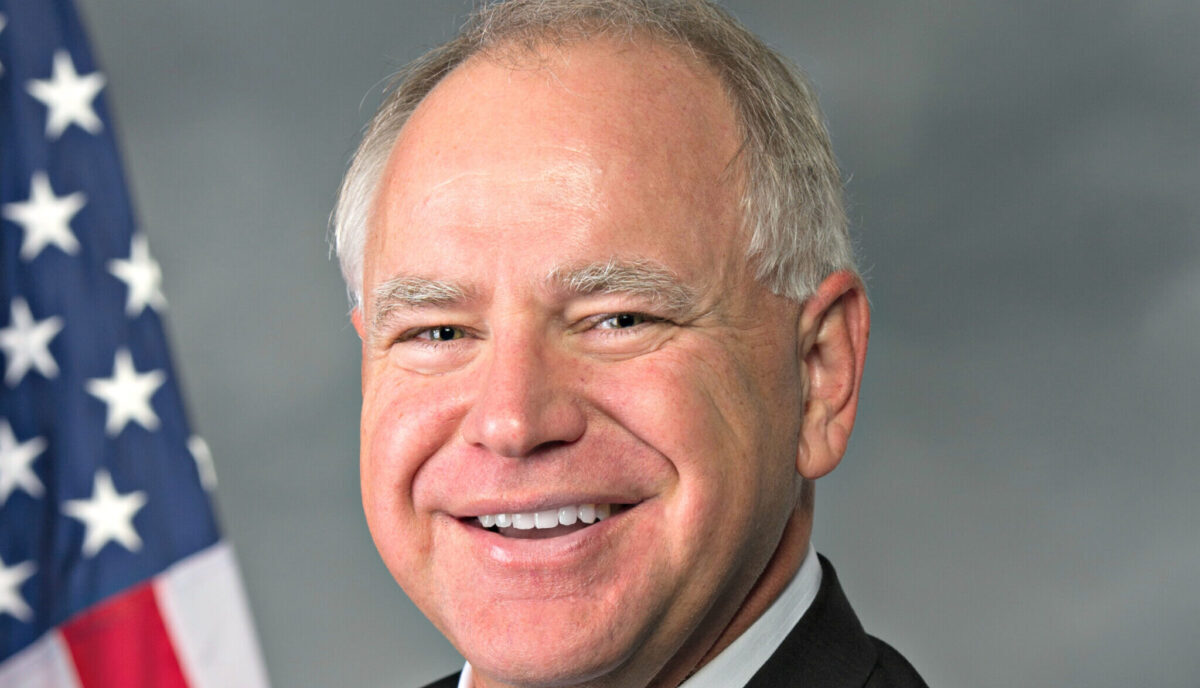
A federal investigation that began with billing irregularities has grown into a full criminal probe, putting Governor Tim Walz and state officials under intense scrutiny while lawmakers press for subpoenas, whistleblowers prepare to testify, and local leaders warn of widespread fiscal harm.
A sprawling fraud case in Minnesota has gone from a bookkeeping red flag into a major federal inquiry that traces back to at least 2020. What started as irregular billing for government services now touches multiple programs and agencies, and investigators are treating it as more than isolated errors. The situation has real budgetary consequences for cities and taxpayers across the state.
The scandal has landed squarely on Governor Tim Walz, who is running for a third term as questions about oversight and accountability grow louder. Critics say the administration has been slow to provide clear answers and that taxpayers deserve better transparency about the scope of losses. Walz’s handling of the issue is shaping how voters and officials see his leadership in this crisis.
Early reporting and interviews indicate the alleged scheme spans a broad swath of programs and beneficiaries, with much attention on Minnesota’s Somali community but not limited to any single group. Officials caution against blaming entire communities for the actions of a few, while demanding that waste and fraud be rooted out. The complexity of the programs involved makes tracing money and responsibility a slow process for investigators.
House Oversight Chairman James Comer has made the issue a top priority for his committee and has signaled a forceful approach to getting answers. “The walls are caving in on Tim Walz,” Comer declared, signaling a no-holds-barred approach to uncovering the truth (James Comer, R-Ky.). That language underlines how this probe has moved from local auditors to federal investigators and congressional oversight.
Comer’s staff are coordinating with federal law enforcement and appear ready to issue subpoenas to compel records and testimony, aiming to follow the money and hold state actors accountable. The committee wants to see the full paper trail on billing, reimbursements, and contracts to determine who benefited and how funds were diverted. If the allegations hold, there will be pressure for criminal charges and policy fixes to prevent a repeat.
Whistleblowers and current state employees have stepped forward with information, and their willingness to speak under oath has heightened the stakes for anyone implicated. Nearly 100 Minnesota mayors sent a blunt message to state leaders about the local fallout from what they call systemic fiscal problems. “Fraud, unchecked spending and inconsistent fiscal management in St. Paul have trickled down to our cities,” the mayors wrote, urging the state to stop overtaxing families and businesses (Nearly 100 Minnesota mayors).
The governor has pushed back against the tone of the scrutiny while saying he intends to address the problem, but skeptics in and out of government remain unconvinced. A spokesperson for the governor told a local paper that the scrutiny amounts to a coordinated political attack, framing the probes as partisan pressure aimed at a vocal critic of certain federal policies. That explanation has not quieted calls for independent audits and rapid disclosure of findings.
Beyond the political noise, the core issue is fiscal stewardship and whether systems in St. Paul allowed billing abuses to continue for years. Budget officers, city managers, and local taxpayers are now left to sort through damage that could force cuts to services or higher local taxes. Lawmakers on both sides say they want reforms to tighten oversight, even as they spar over how the investigation is being handled.
The federal probe and congressional inquiries promise to produce a lot more public records and testimony in the months ahead, and the implications will be felt across Minnesota’s political and municipal landscape. Investigators will have to show clear evidence to support allegations, and officials implicated will get their day in court or before committees. Whatever the outcome, the episode will shape debates about accountability, state spending, and the standards voters expect from public servants.

