

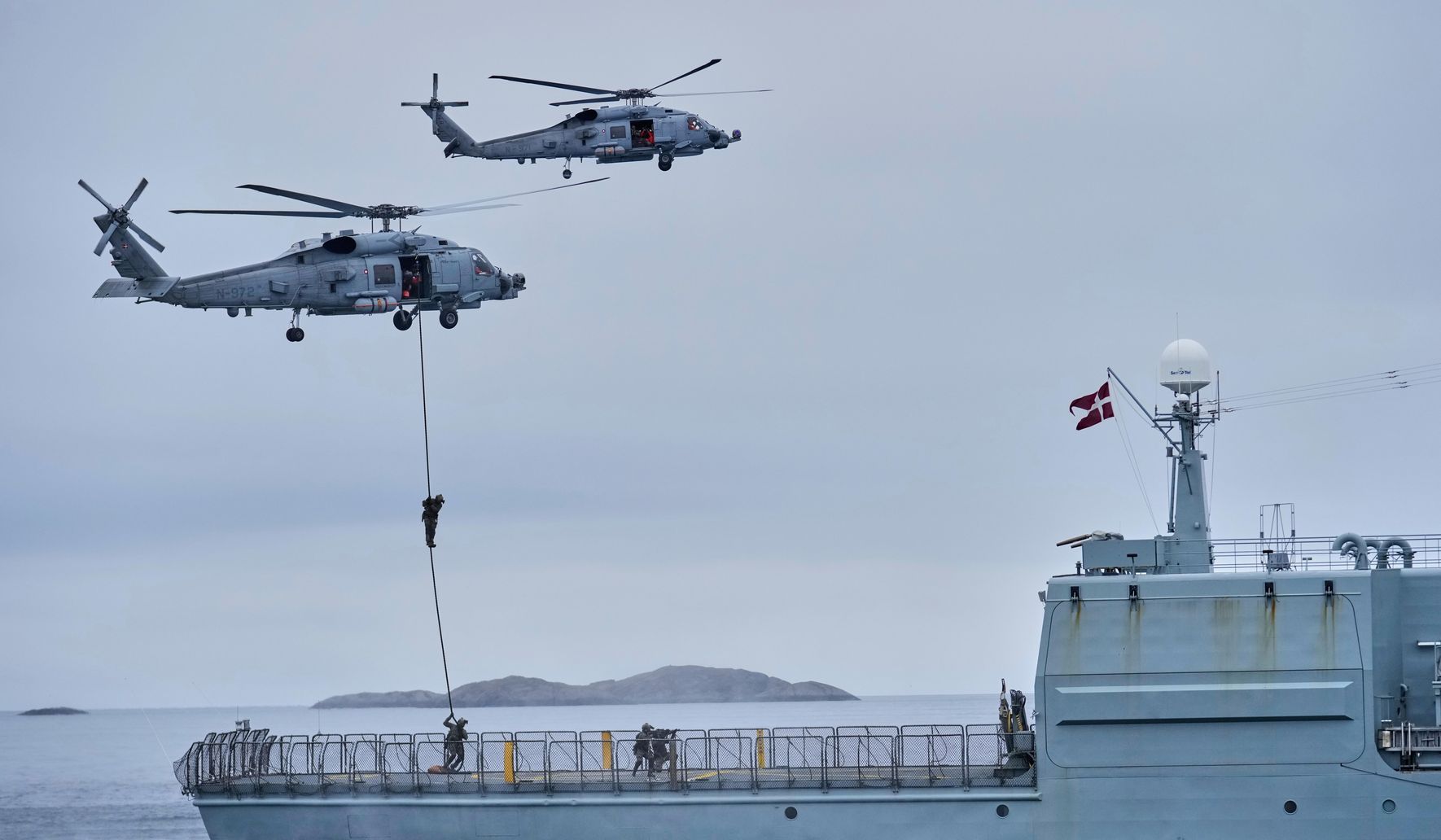
Greenland sits above the Arctic Circle and its size and location have made it central to debates about military posture, economic opportunity, and who will control the High North.
“Location, location, location: Greenland’s position above the Arctic Circle makes the world’s largest island a key part of security strategy. But for whom?” That line captures why Greenland attracts attention from capitals and private interests alike. Geography alone has turned the island into a strategic chess piece in a shifting global order.
The Cold War left a footprint with facilities like Thule, and modern threats have brought those sites back into focus. Ballistic missile tracking, early warning radars, and patrols over polar airspace matter for deterrence and defense. Republicans worry that any gap in presence becomes an advantage for rivals to exploit.
China’s economic reach into the Arctic, including mineral exploration and port ambitions, is part of a broader pattern. Beijing moves through commercial vessels and state-backed firms, not uniformed soldiers, but the strategic intent is clear to those watching supply chains and rare earths. The U.S. needs to treat economic encroachment as a security issue, not a business-as-usual question.
Denmark’s sovereignty and Nuuk’s autonomy are central political realities that shape options. Greenlanders want jobs, infrastructure, and a voice over their resources, while Copenhagen must balance alliance obligations and domestic politics. Any American approach has to respect those lines or legitimacy evaporates fast.
Military planners highlight chokepoints and the shortest routes between continents that run near Greenland. Arctic sea lanes are shortening transit times and changing naval calculus, especially during summer months when ice retreats. That creates both opportunity for commerce and risk for security if capabilities do not keep pace.
Investing in radar, ports, and logistics on Greenland reduces response times and signals commitment without permanent occupation. From a Republican perspective, strategic investments should be smart, cost-effective, and build allied interoperability. Permanent forward presence does not mean overreach, it means preparedness and shared burden.
Natural resources under Greenland’s ice and soil attract miners and speculators who see long-term value. Minerals used in electronics and clean-energy technologies are a prize, but extraction brings environmental risks and social strain. Policy must weigh the economic gains against local impacts and the strategic consequences of who ultimately controls those reserves.
Local governance and economic development matter politically and practically. Greenlanders must benefit from any outside engagement or resentment will follow, undermining security aims. That is why diplomacy, not just defense spending, is the right tool to secure long-term stability.
Allies in NATO have a stake in Arctic stability, and burden-sharing is part of the conversation. Coordination on surveillance, exercises, and infrastructure keeps competitors guessing and forces them to escalate costs if they try to gain footholds. A strong transatlantic posture is core to keeping the Arctic rules-based and free from coercion.
Climate change is a complicating factor that opens new sea lanes while stressing communities and ecosystems. Melting ice is not a policy goal, but it changes timelines and priorities for patrols, search and rescue, and environmental safeguards. That mix of security and humanitarian need is exactly where prudent Republicans say public power should be focused.
Private investment will play a role in ports, communications, and mining, but government must set the guardrails. Contracts, environmental standards, and vetting of foreign partners are necessary to prevent strategic surprises. Public-private cooperation should enhance resilience and keep key infrastructure under trusted control.
Intelligence and maritime domain awareness are non-negotiable for an effective Arctic posture. Satellites, drones, and surface patrols combine to give decision makers time and options. Quick, credible detection and attribution are the linchpin of deterrence.
Greenland is not a blank slate for outside powers to arrange as they please, and any policy that treats the island as a pawn will fail politically and strategically. Respecting the islanders, strengthening allies, and investing in capability keep options open. The strategic prize is clarity of purpose and the ability to act when needed, not slogans or short-term headlines.

