

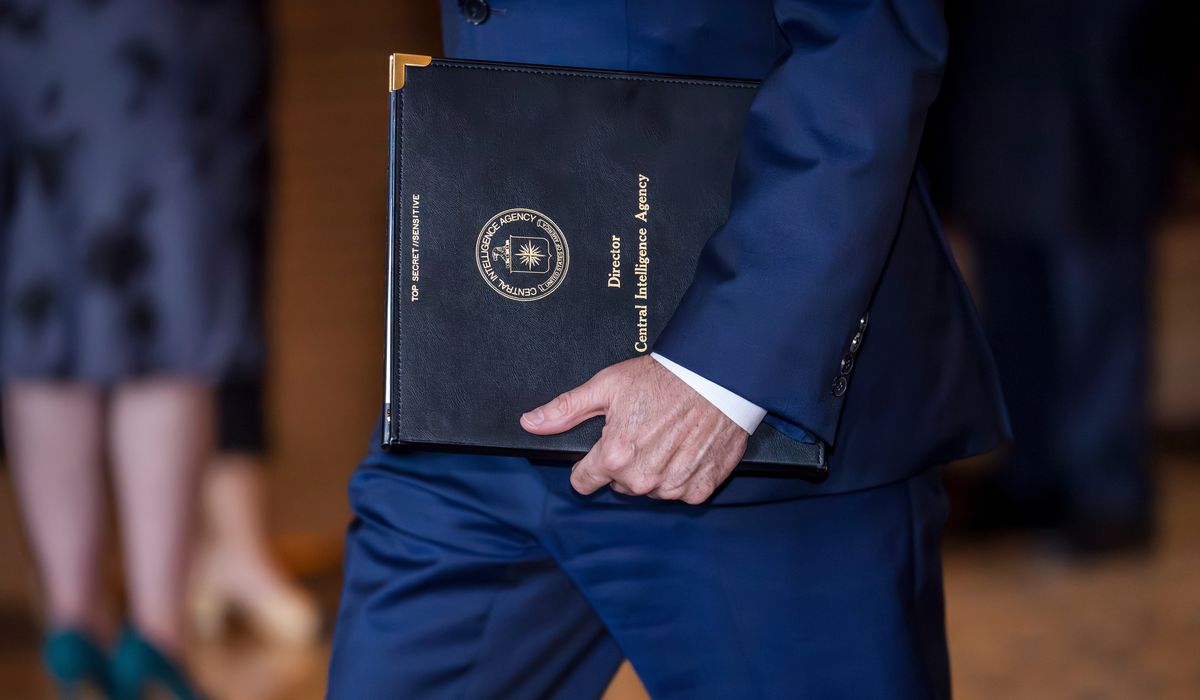
Lawmakers who reviewed classified briefings on the U.S. operation that captured Nicholas Maduro called the raid impressive but insist the administration must answer tougher questions for Congress and the American people.
Members of Congress from both parties were briefed on classified details of the operation that led to the capture of Nicholas Maduro, and many came away impressed with the planning and execution. Lawmakers stressed that while operational success matters, oversight is not optional and Republicans expect clear answers about decision-making, legal authority, and risk tolerance. The mood was a mix of admiration for the skill shown and insistence on accountability.
Republican lawmakers framed their response around responsibility and transparency, arguing that a strong nation needs both effective action and congressional checks. They emphasized that operational secrecy is sometimes necessary, but secrecy cannot be a long-term substitute for oversight. That balance is central to preserving constitutional authority and public trust after a high-stakes mission abroad.
Questions coming from the Republican side focus on who signed off at each stage and what legal framework was used to authorize the operation. Members asked how intelligence was validated, whether interagency coordination was adequate, and what contingencies were in place if plans went sideways. Those are practical, not partisan, concerns about ensuring future actions follow the rule of law.
Lawmakers also drilled into the risk assessment for U.S. personnel and potential blowback in the region. They wanted to know how planners weighed the immediate gains against long-term diplomatic consequences and whether allies were consulted. Republicans argued that winning a tactical victory should not jeopardize strategic interests or American credibility across the hemisphere.
The briefing reportedly covered exfiltration plans, signaling discipline in execution, but Republicans made clear that discipline must include documented approvals that Congress can review. They asked for timelines, decision memos, and legal opinions that show the operation complied with domestic law and international norms. Without that documentation, oversight committees cannot do their job or reassure skeptical voters.
Another line of questioning involved intelligence sources and methods, and how their protection will be balanced against the need for congressional review. Republicans acknowledged the need to safeguard sources, but they insisted on secure, classified channels for oversight rather than broad public claims of national security. That approach aims to keep vital capabilities intact while preserving constitutional checks.
There were also practical concerns about lessons learned and doctrine going forward: what doctrine guided target selection, how rules of engagement were set, and whether this operation sets precedent for future actions. GOP lawmakers said the administration must clarify whether this was a one-off response or part of a repeatable policy. Clarity helps Congress craft proper authorizations or limits to prevent mission creep.
Political implications were not ignored, and Republicans warned that the administration cannot treat congressional concerns as political inconvenience. Oversight is a restraint that protects Americans and ensures good governance, and it is not an attack on the troops who carried out the mission. The party’s posture combined praise for operational competence with firm demands for answers.
Lawmakers also raised questions about detainee treatment and custody arrangements after the capture of Nicholas Maduro, seeking confirmation that U.S. obligations are being met and that transfer procedures are lawful. Republicans said clear records of detainee handling and transfer decisions are necessary to prevent legal challenges that could undermine future operations. Ensuring chain of custody and compliance with legal standards is part of responsible oversight.
Finally, the debrief highlighted a broader point Republicans pushed hard: success in the field needs an accountable political framework at home. That means timely, substantive briefings to relevant committees, secure document access, and an honest accounting of risk and reward. Americans want their government to be effective, but they also want lawmakers to exercise their constitutional duties without excuses.

