

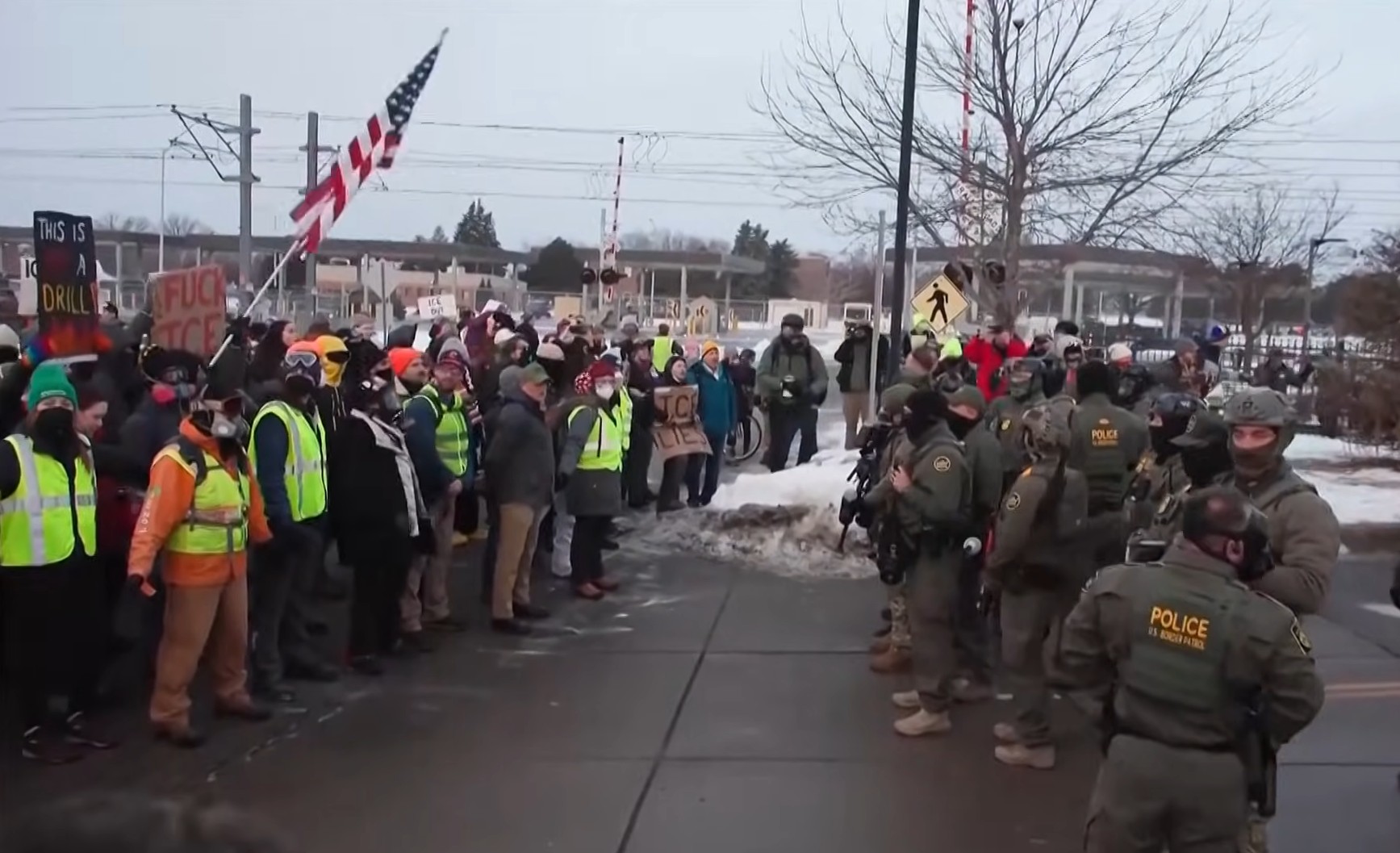
It’s been a year since Trump took back the White House, and questions about clandestine agitator networks, their funding, and the politicians who shelter them keep piling up.
One year after Trump returned to the White House, the public still lacks clear answers about organized groups that stir unrest. People are asking why intelligence, law enforcement, and elected officials haven’t exposed who is behind coordinated disruptions. That gap in accountability fuels suspicion and erodes trust in institutions that should protect lawful protest while stopping paid violence.
Evidence points to organized tactics rather than random crowd behavior in many incidents labeled as unrest. Paid agitators, centralized planning, and recurring patterns suggest coordination that deserves federal attention. Conservatives who want order and free markets see this as a law-and-order problem, not merely a political nuisance.
Where are the prosecutions for people who fund or organize disruptive cells? Federal grand juries and indictments are the traditional tools for dismantling criminal networks, yet large-scale arrests have been rare. That lack of visible enforcement raises questions about priorities inside agencies charged with pursuing organized wrongdoing.
Politicians who publicly condemn violence but quietly tolerate groups aligned with their interests create a dangerous double standard. When elected officials use power to shield agitators, they undermine the rule of law and tilt incentives toward chaos. Voters deserve to know whether elected leaders are complicit, incompetent, or simply unwilling to act.
Transparency is a basic demand of a constitutional republic, and it applies to how investigations into organized political violence are handled. Records, indictments, and public briefings should clarify whether law enforcement is following leads or leaving investigations stalled. Without that openness, suspicion fills the vacuum and the public narrative drifts toward conspiracy instead of facts.
There are practical steps prosecutors can take without trampling civil liberties: focused financial investigations, use of existing statutes against organized criminal activity, and targeted charges for those who coordinate violence. These are prosecutorial tools, not partisan weapons, and they can be used to separate peaceful protest from paid disruption. Conservatives who worry about lawlessness want a legal system that treats criminal coordination the same no matter who benefits politically.
Meanwhile, politicians who benefit from unrest have incentives to ignore or even cultivate it, and that conflict should be exposed. Congressional oversight hearings, subpoenas, and classified briefings can shed light on whether officials misused their offices. Citizens and media should press for accountable procedures that protect legitimate dissent while stopping pay-for-chaos schemes.
Law enforcement reform can coexist with tougher enforcement against organized agitators by clarifying rules of engagement and improving evidence-gathering. Better interagency cooperation and clearer standards for prosecuting coordination would make it harder for bad actors to hide behind First Amendment claims. That balance protects civil liberties while ensuring public safety.
Public debate also needs honest language: call it what it is when outside money and direction turn protest into a product. Labeling paid disruption accurately helps voters make policy choices at the ballot box, and it helps prosecutors build cases based on funding trails and command structures. Avoid euphemisms and treat this as a governance problem that requires political and legal remedies.
One year in, the central question remains: will those with authority actually follow the evidence wherever it leads? Accountability requires visible action, not just promises. Americans who believe in order, free enterprise, and fair play expect institutions to act against organized, paid violence—and they will keep watching to see if their leaders do the same.

