

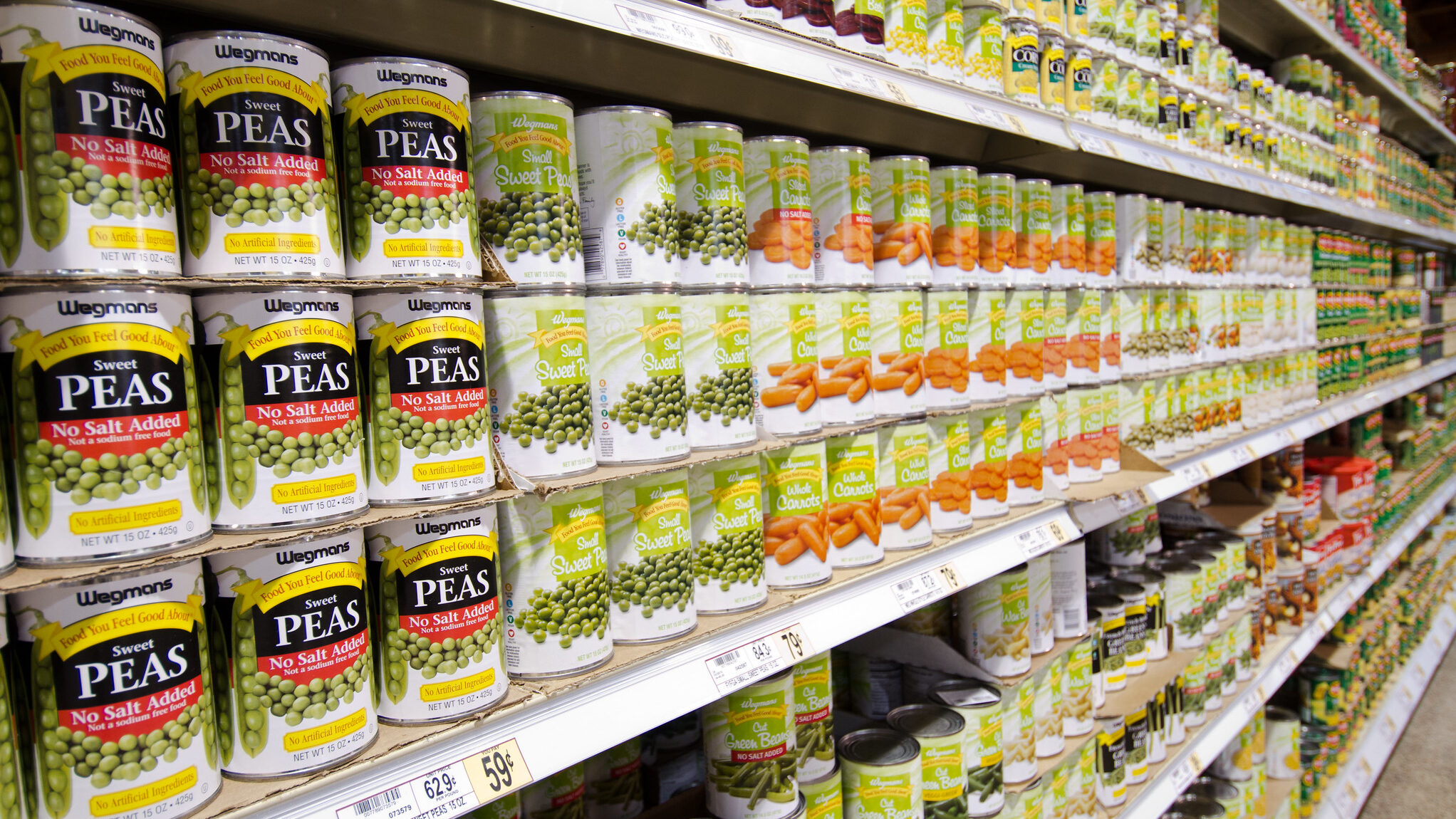
Annual inflation in 2025 registered 2.7 percent, the lowest annual rate since 2020, according to the Bureau of Labor Statistics data released Tuesday.
Annual inflation in 2025 came in at 2.7 percent, the lowest annual rate since 2020, when President Donald Trump was last in office. That figure comes from the Bureau of Labor Statistics data released Tuesday and marks a clear slowdown from recent peaks. Economists and policymakers will be parsing the details to understand what it means for interest rates and household budgets.
The headline number is straightforward: the annual inflation rate for 2025 was 2.7 percent. That steady decline gives breathing room to families who have faced persistent price pressure over the past few years. Still, a single number hides a mix of winners and losers across the economy.
One of the biggest drivers inside the report was housing costs. Inflation for shelter rose 0.4 percent in December “and was the largest […]” that piece of the report grabbed attention because shelter has been the most persistent component keeping overall inflation higher than desired. Rent and owner-equivalent rent growth tend to lag other categories, so shelter movements matter for months to come.
Energy and food, the categories that hit budgets directly, showed different patterns across the year. Energy prices can swing with global events, while grocery bills reflect supply chains and domestic production. The mixed signals mean some households will feel relief while others will not.
For the Federal Reserve, a 2.7 percent annual rate changes the calculus but does not end the conversation. Central bankers look at core measures and trends, not just headline monthly prints, when weighing policy stances. A move toward lower inflation can open the door to easier financial conditions, but only if the trend continues.
From a Republican viewpoint, the lower rate is welcome because it suggests the economy can cool inflation without crushing growth. Policies that encourage domestic energy production, cut regulatory burdens, and keep taxes predictable are often credited for improving supply and easing price pressures. That argument will shape the political narrative heading into budget debates and elections.
Households are already reacting to the news, balancing relief with caution. Lower annual inflation can restore some purchasing power, especially for fixed-income households and savers. Yet, persistent increases in specific areas like housing mean many families still feel price strain in their monthly budgets.
Businesses will watch how consumers respond, and retail trends will reflect any regained confidence. If consumers begin spending more freely, firms could hire and invest, supporting growth. But if wage gains lag or costs remain elevated in key inputs, the recovery in spending may be uneven.
Local housing markets will remain a focal point since shelter inflation is sticky. Builders, landlords, and renters face a different set of incentives depending on regional demand and supply constraints. Policymakers at the local and federal level will likely get renewed pressure to address housing availability and affordability.
Investors will interpret the 2.7 percent number through the lens of interest rates and balance sheets. Lower inflation can translate into lower inflation expectations, which affects bond yields and stock valuations. Still, volatility can remain until the trend proves durable across several months.
On the jobs front, the link between wages and prices remains central to the story. If wage growth slows more than prices, consumer momentum could fade; if wages keep rising, inflation risks may reemerge. Monitoring labor market tightness will be crucial to anticipate future inflation moves.
Going forward, the data series will be watched closely for confirmation that the 2.7 percent result represents a durable shift. Policymakers, voters, and markets all prefer a clear trend instead of a one-off print. The next reports will tell whether this slowdown in inflation is a lasting relief or a temporary pause.

