

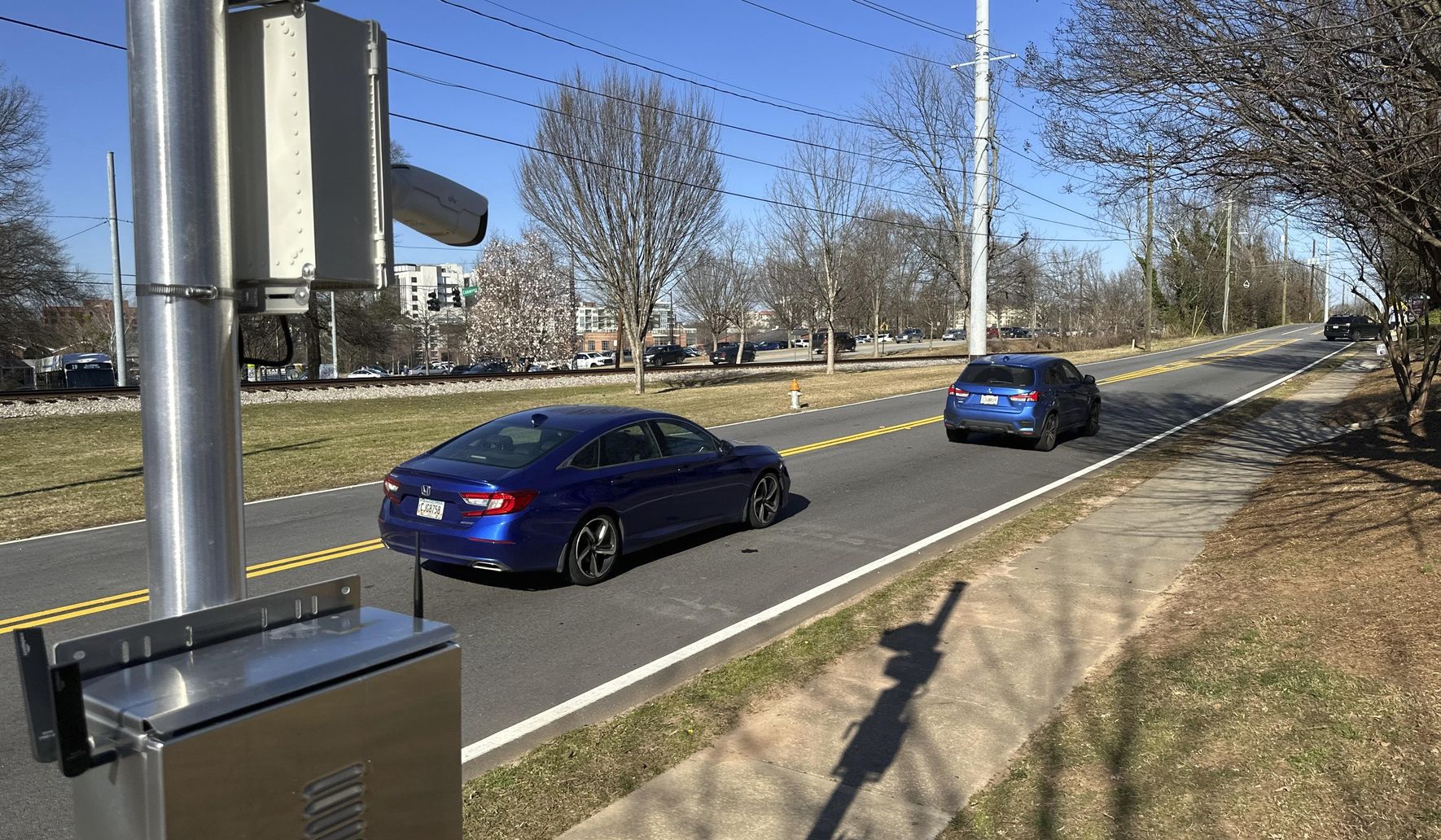
A bill in the Maryland Senate would allow the state to enter into reciprocal agreements with other jurisdictions for speed and traffic camera violations.
The Maryland Senate is considering a bill that would let the state strike reciprocal agreements with other jurisdictions to handle speed and traffic camera violations. In plain terms, that means drivers who commit infractions in other states or who pass through Maryland could be held accountable through a shared enforcement system. The proposal aims to close gaps where out-of-state drivers avoid penalties simply because their vehicles are registered elsewhere. That basic idea has sparked both practical questions and political debate.
Supporters argue reciprocity tightens public safety and closes loopholes for repeat offenders who treat cameras like vacation insurance. From a law-and-order perspective, uniform enforcement across borders discourages risky behavior and protects communities. Backers say the system would be about equal treatment: if a resident of Maryland is ticketed out of state, reciprocity would ensure the same rules apply when an out-of-state vehicle is ticketed here. That consistency is pitched as fair and efficient enforcement, not regional patchwork.
Opponents worry the change could hand too much control to bureaucratic systems and camera vendors, turning safety tools into revenue machines. Critics also point to accuracy problems with automated cameras and the difficulty many drivers face when contesting a citation from another state. Privacy advocates raise questions about data sharing between jurisdictions and how long information would be retained. Those concerns feed a broader debate about accountability, transparency, and limits on government reach.
Legally, interstate reciprocity can take several forms, from compact-style agreements to bilateral contracts between motor vehicle agencies. That raises constitutional and statutory questions lawmakers must resolve, including due process protections for motorists and jurisdictional authority. Republicans typically press for clear statutory language to protect property and procedural rights, and they often insist on checks that prevent overuse or mission creep. Any final agreement would need to spell out how notices are served, how disputes are adjudicated, and where appeals are heard.
For drivers, the practical effects could be immediate: rental cars, temporary visitors, and commuters who cross state lines would need to pay closer attention to camera zones and posted speeds. Notices tied to license plates rather than drivers change how enforcement is tracked, and that can complicate liability for vehicle owners, lessees, and rental companies. There are also insurance considerations if violations are reported across databases, and businesses that manage fleets would likely push for clear rules on how responsibility is assigned. Those are real, everyday impacts that law‑makers should weigh.
A Republican approach to such a bill would emphasize protecting motorists from abusive fines while supporting tougher tools that actually improve safety. That looks like strong due process protections, strict accuracy standards for camera systems, auditing requirements, and caps on administrative fees. Oversight mechanisms would be key: independent testing of cameras, transparent reporting of revenues and citations, and an accessible, impartial appeals process. Lawmakers in that tradition are likely to demand hard guardrails before endorsing any broad reciprocity deal.
What happens next is the usual legislative grind: committee hearings, stakeholder testimony, and possible amendments to tighten language and add safeguards. Expect debate over whether reciprocity will truly reduce dangerous driving or simply shift how and where fines are collected. Lawmakers will also need to decide which kinds of infractions qualify, how long shared records are kept, and whether the agreements apply to local ordinances as well as state laws. Those details will determine whether reciprocal enforcement becomes a tool for safer roads or a new source of taxpayer frustration.

