

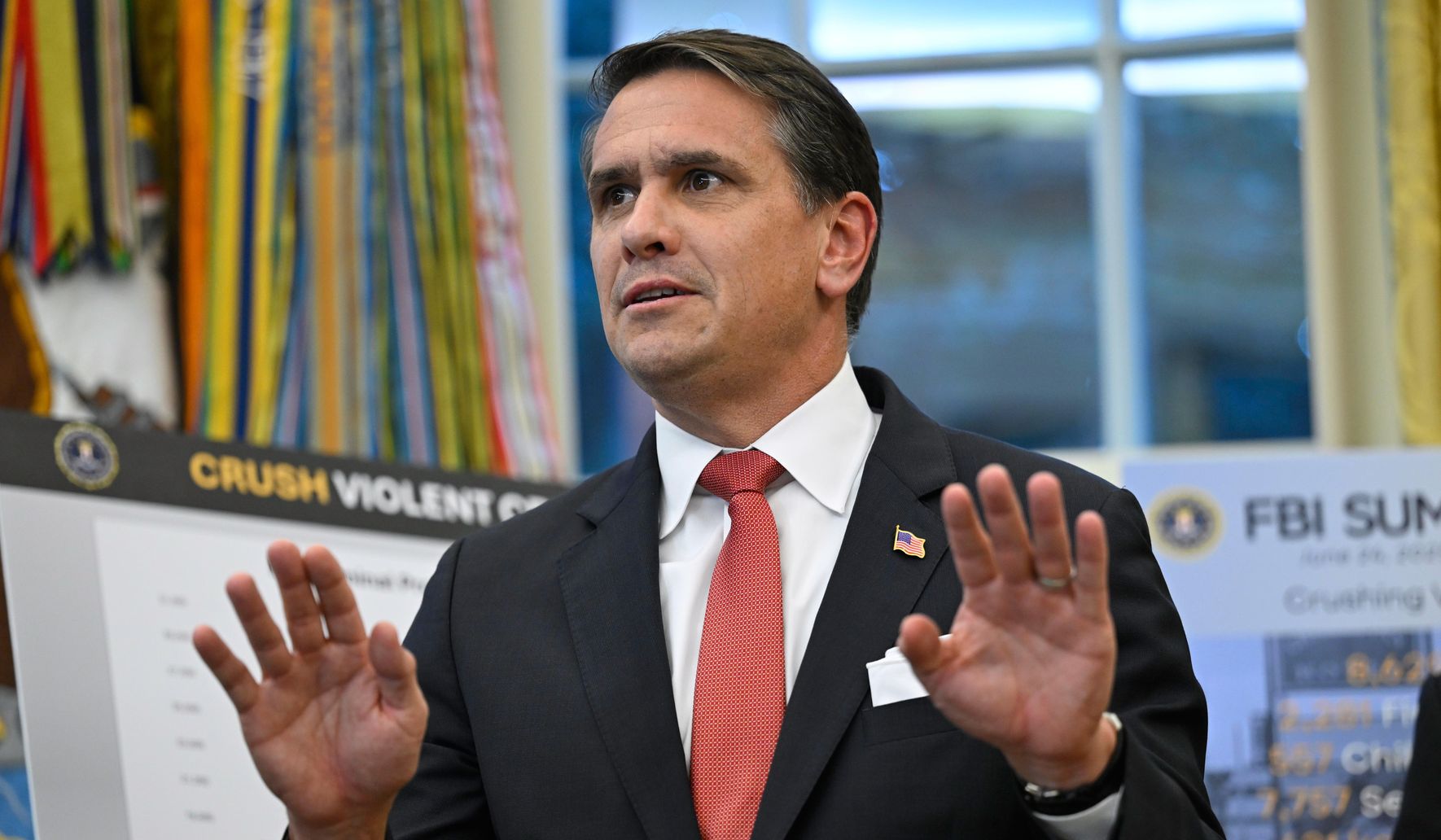
Deputy Attorney General Todd Blanche has said the Department of Justice will not open a federal probe into the fatal shooting of Renee Nicole Good by a U.S. Immigration and Customs officer in Minneapolis, a decision that leaves serious questions about oversight, local responsibility, and transparency for everyone involved.
Deputy Attorney General Todd Blanche said Sunday that the Department of Justice is not investigating the fatal shooting of Renee Nicole Good by a U.S. Immigration and Customs officer in Minneapolis. That announcement shifts the burden of fact-finding and accountability squarely back to local authorities and state prosecutors, and it raises immediate concerns about how this case will be examined and explained to the public.
This choice by the Justice Department matters because federal reviews often bring an extra layer of distance and perceived impartiality to officer-involved deaths, and those layers can either reassure citizens or inflame suspicions depending on how transparent they are. From a Republican point of view, the decision to decline federal involvement should not be taken as an excuse for delay or secrecy; it should instead trigger a rigorous, timely local process that respects both public safety and due process for the officer.
Minneapolis has seen bitter debates over policing and the limits of federal intervention, and the optics of a federal pass on a high-profile shooting will be judged harshly by many who already distrust institutions. The local system now has an opportunity to act quickly and clearly: collect and release body camera footage when available, explain investigative steps, and ensure that prosecutorial decisions are made on the evidence, not on politics or public pressure.
Support for law enforcement and a demand for answers to grieving families are not mutually exclusive, and that balance matters in this moment when emotions run high on many sides. Officers deserve fair treatment and the presumption of due process, and communities deserve timely explanations and accountability when a life is lost during an encounter with federal or local authorities.
Practical steps that should follow include transparent timelines for evidence review, public statements that avoid grandstanding, and clear communication about whether local criminal charges are being considered or whether administrative actions against the officer will proceed. The public will watch closely to see if Minneapolis and state authorities move with the speed and clarity that build trust instead of deepening division.
Republican principles emphasize the rule of law, respect for public servants, and a lean but effective government that intervenes when federal interest is plainly present; none of those principles precludes a strong, competent local investigation here. If federal officials saw no jurisdictional reason to open a probe, local prosecutors and investigators now have an obligation to fill that gap with rigorous work, transparent communication, and adherence to established legal standards so the answer, whatever it is, can be publicly justified.
Political theater and quick judgments will not help anyone who wants a durable outcome; what does help is evidence, process, and accountability that people can see for themselves. Families, officers, and citizens all deserve a process that is swift enough to be credible, thorough enough to be fair, and open enough to restore confidence rather than deepen mistrust in public institutions.

